Blog
What is the Difference Between Cornice and Crown Moulding?


At first, it may not appear that there is a huge difference between residential cornice and crown moulding, because they are both installed at the top of your wall or an architectural structure. However, to really understand cornice, you have to travel a bit further back in time than you do with crown moulding. While both elements continue to find their way into architecture and interior design, they can serve different aesthetic functions.
What is Cornice?
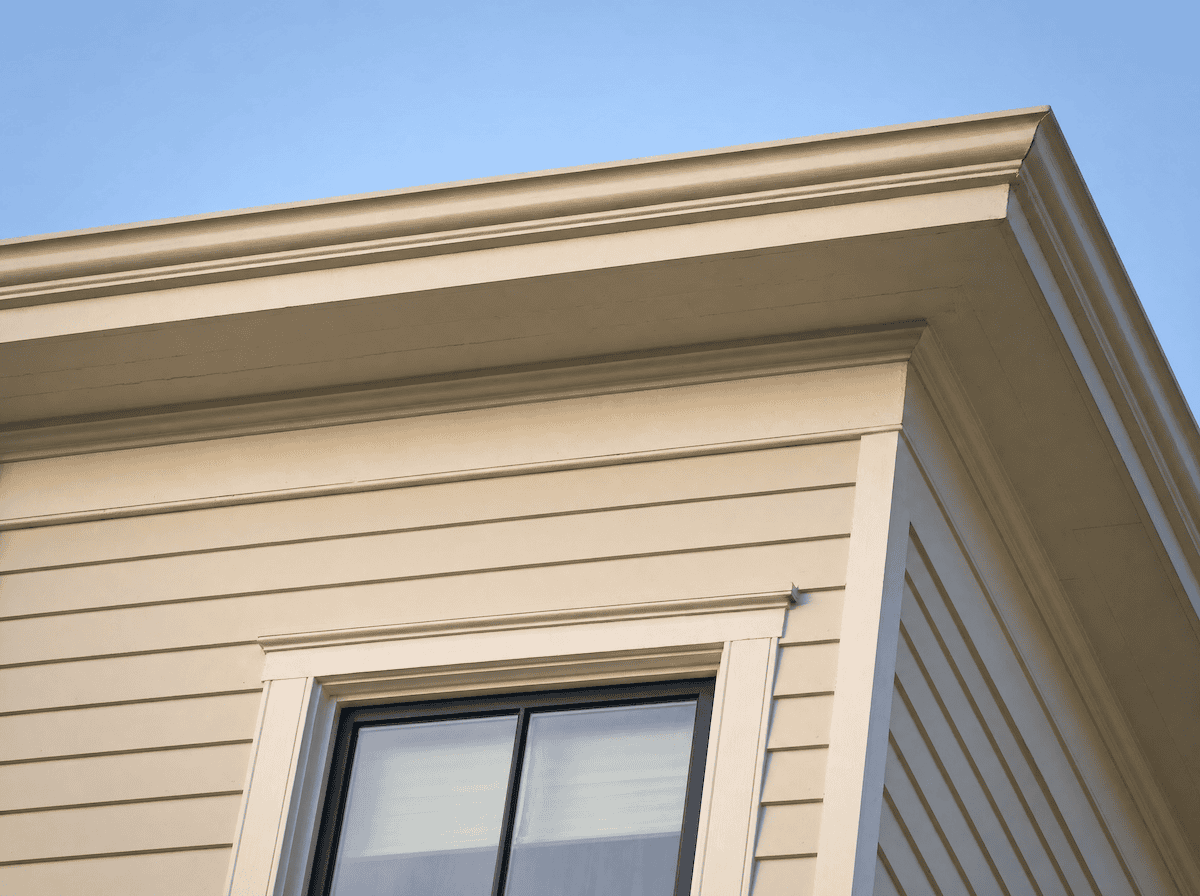
Cornice was originally a horizontal structure —often decorative—added to the outside of ancient Greek buildings to help direct rainwater away from the building. This structure jutted out from the building and was usually attached at the top of columns where they connected to buildings.
But cornice is any connecting horizontal structure that caps or crowns the top of a wall or other architectural structure. Sound a little like crown moulding? That’s because today, cornice is also used inside architectural structures and residential buildings in a manner similar to crown moulding.
Examples of Cornice in Architecture
 In the past, you would see this design element positioned horizontally above and between columns as a functional architectural element. Over the years, cornices transformed into more purely decorative features on the facades of American main street buildings. You may not have known that the architectural details you saw at the top of commercial buildings were cornice details.
However, think about banks, department stores, and government or office buildings built in the 19th and 20th centuries that installed a sense of awe and prestige when you saw them. These buildings often feature ornamental cornices installed for function and design.
Examples of Cornice in Residential Buildings
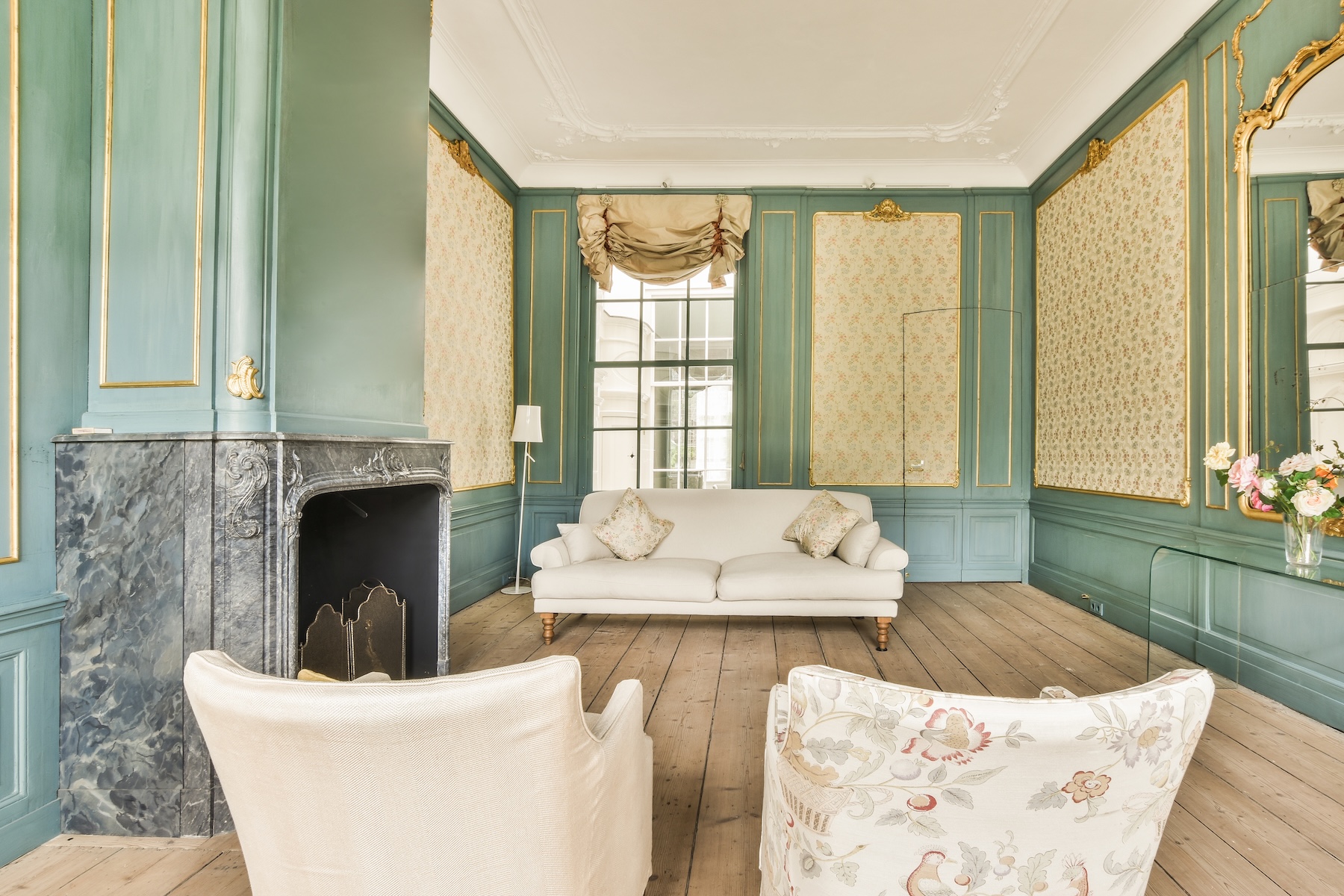
 Today, cornices are exterior and indoor architectural elements. On the façade of a building, cornice still maintains some of its original decorative nature and functionality—forcing water away from the building. However, it can also be purely decorative inside residential buildings and homes, as seen at right.
The cornice pictured is elaborate and elegant, but it doesn’t necessarily have to be. And, this is where the confusion about cornice and crown moulding occurs.
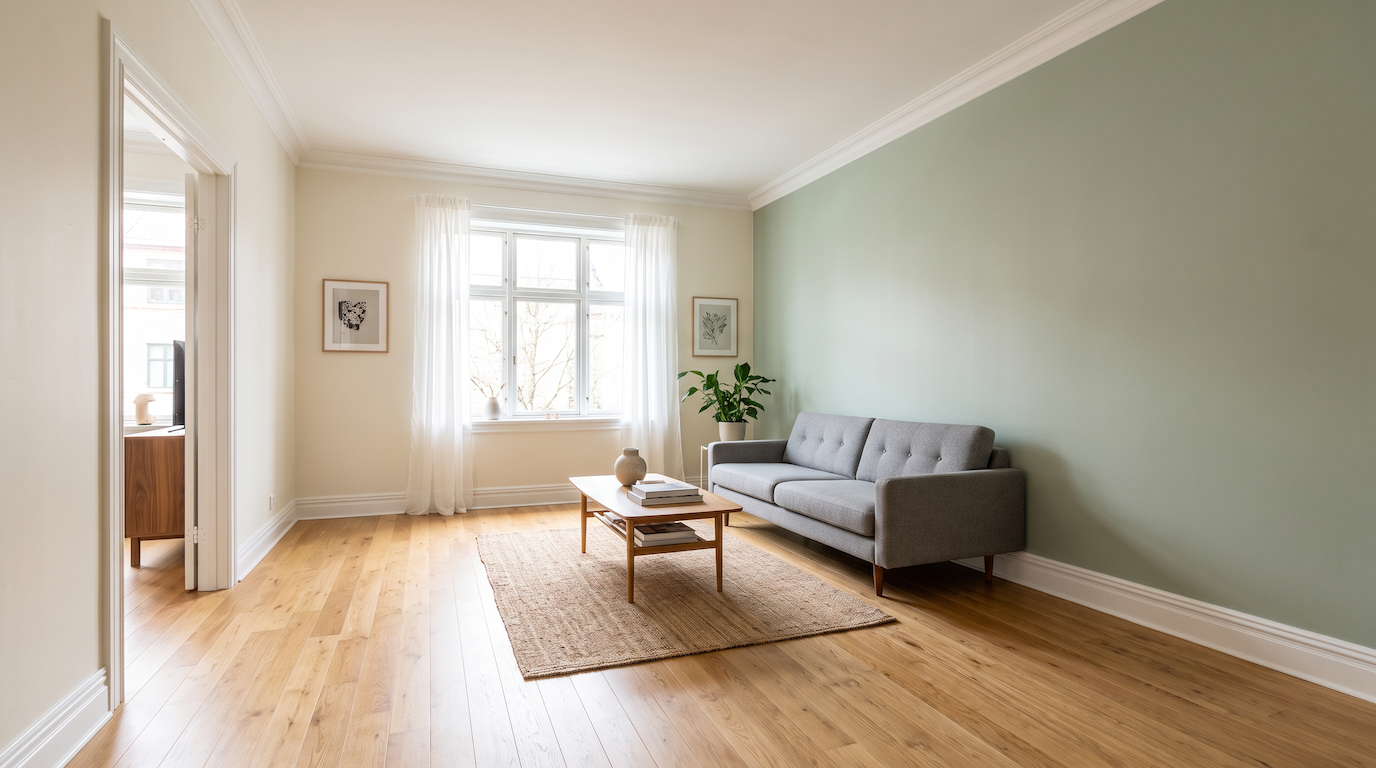
Because both cornice and crown moulding serve the same purpose when installed in homes—to create a smooth transition from the top of the wall and the ceiling—it can be difficult to tell them apart sometimes.
What is Crown Moulding?
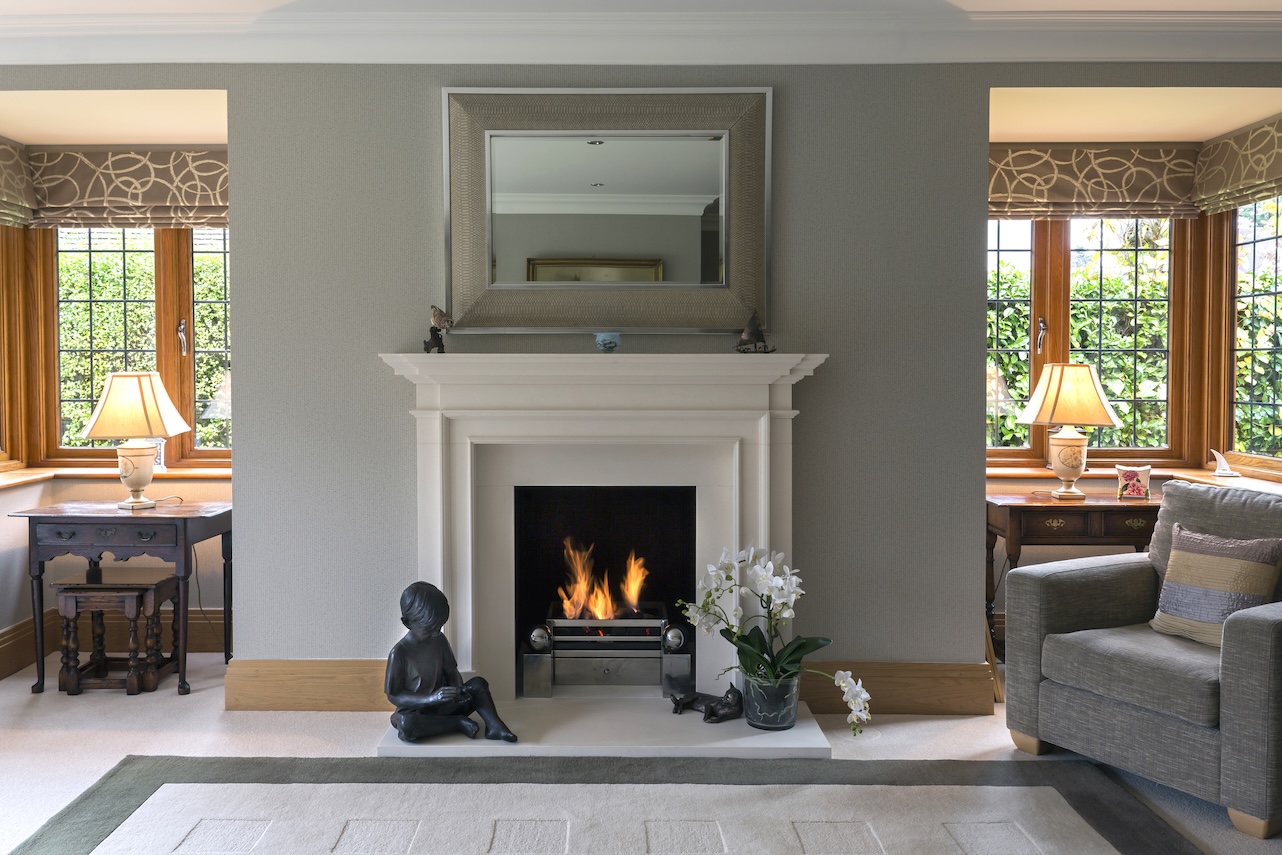
Crown moulding is an indoor architectural element that “crowns” or “caps” any structure—such as your dining room walls or cabinets, a bookshelf or armoire, or even your fireplace. This type of moulding can be simple or elaborately decorative, and it serves to elevate your interior design by visually closing the gap between your walls and ceiling.
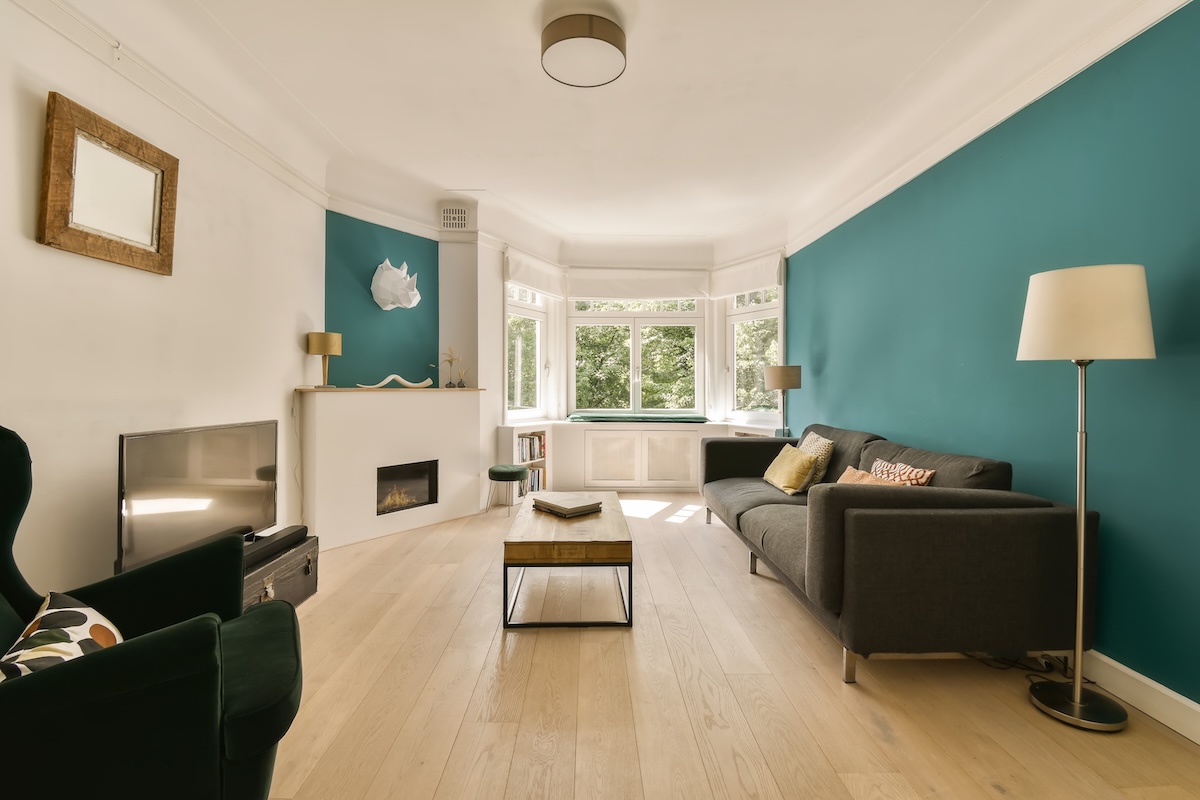
I’m sure you are starting to see why many think of interior cornice and crown moulding as the same thing. They both serve as the “cap” or “crown” to a wall or cabinet and can be modern and simple or elaborate and decorative. However, crown moulding is strictly an interior design element, unlike cornice, which we see in exterior and interior designs. You may also see crown moulding used with cornice in interior design.
At The Moulding Company, we have a variety of crown moulding options for any ceiling height or location. No matter what room you are upgrading, crown moulding will provide an elegant transition between your ceiling and walls or cabinets. We offer crown moulding in wood or man-made materials—and even have flexible crown moulding styles that work around tricky curves and archways.
Examples of Crown Moulding
 Moulding is our business at The Moulding Company, and we love the design flexibility that crown moulding provides. This is why we carry crown moulding options that range from simple and clean to elegant and decorative. We will help you match your crown moulding to any design you have in mind.
Pictured on the right is a kitchen that includes several types of crown moulding. You can see it on the column, the cabinets, and the top of the walls leading into the ceiling. Crown moulding is flexible enough to add elegance to nearly any architectural element in your home.
What Proportions Should I Use When Adding These Design Elements?
The proportions of the crown moulding or cornice you install will depend on room size, current décor, and what function this architectural element will serve. You will need to consider your ceiling height and any existing molding before beginning the buying process. You don’t want to overwhelm your room with cornice or crown moulding, but you also want to make sure it matches the interior design and décor you already have.
If in doubt, it is always best to reach out to an expert before making any final decisions.
Not Sure if Cornice or Crown Moulding is Right for Your Home?
To learn more about your moulding options, visit one of our three showrooms in San Francisco, CA, and speak with our skilled staff members. Our team of experts is here to help answer any questions you have. With over 50 years of moulding experience, we at The Moulding Company know how to bring elegance and charm to any home.
Complete your trim design with decorative rosette moulding around doors and windows.