Blog
What Makes High-End Trims Look Expensive? Design Secrets Explained

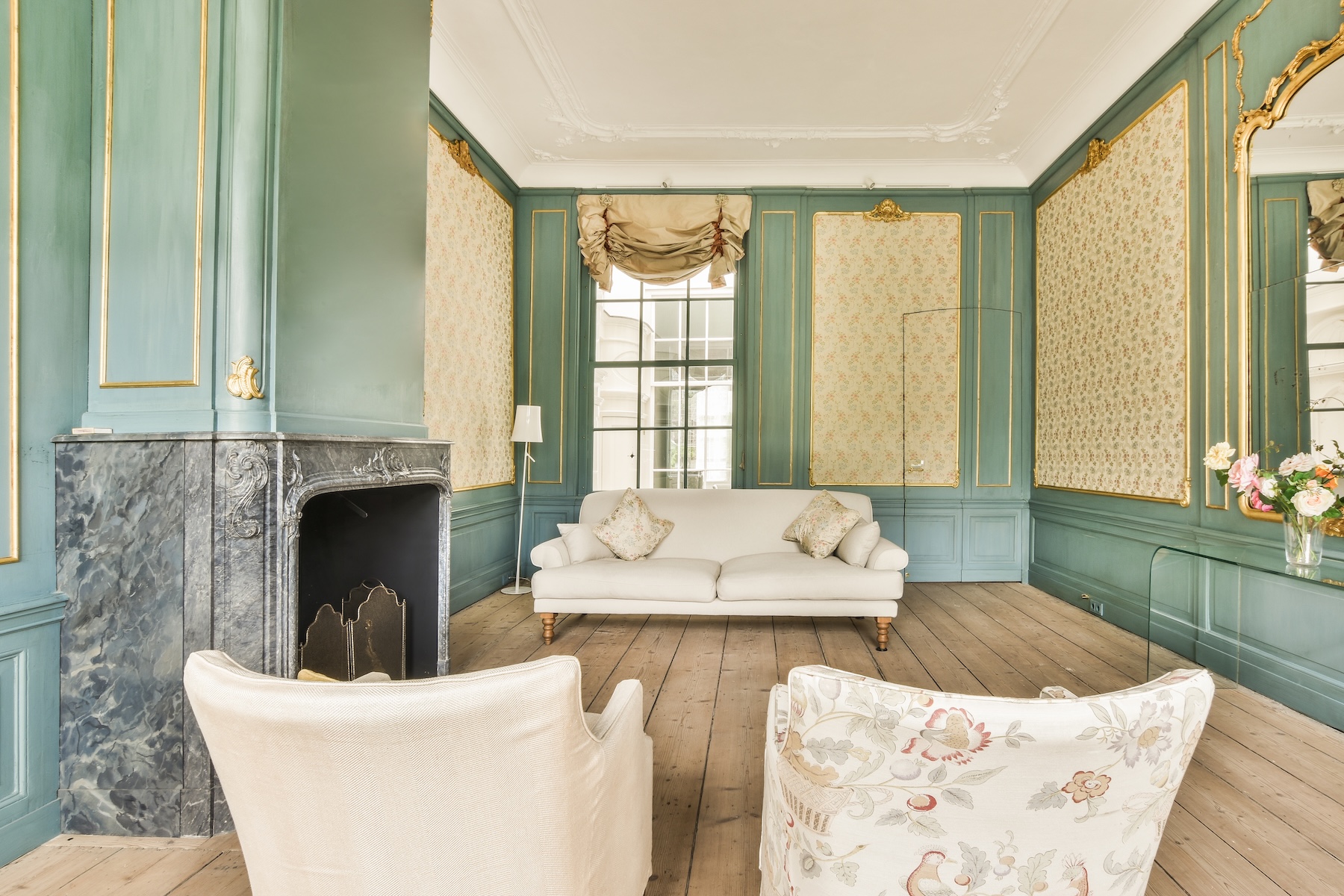
When people walk into a luxury home, they often notice that it feels different. The rooms feel more refined. The architecture feels more intentional. The finishes seem elevated. Yet many homeowners struggle to pinpoint exactly why.
At The Moulding Company, we often hear people assume that expensive trim simply means more detail or higher cost materials. In reality, what makes trim look high-end has less to do with price and more to do with design decisions.
The most elegant interiors are rarely defined by a single moulding profile. Instead, they rely on proportion, consistency, craftsmanship, and thoughtful layering. These details work together to create a sense of quality that feels natural rather than forced.
The good news is that creating a high-end look is not always about spending more money. It is about understanding what truly makes trim feel luxurious.
High-End Trim Starts With Proportion
One of the biggest differences between average trim and premium-looking trim is proportion.
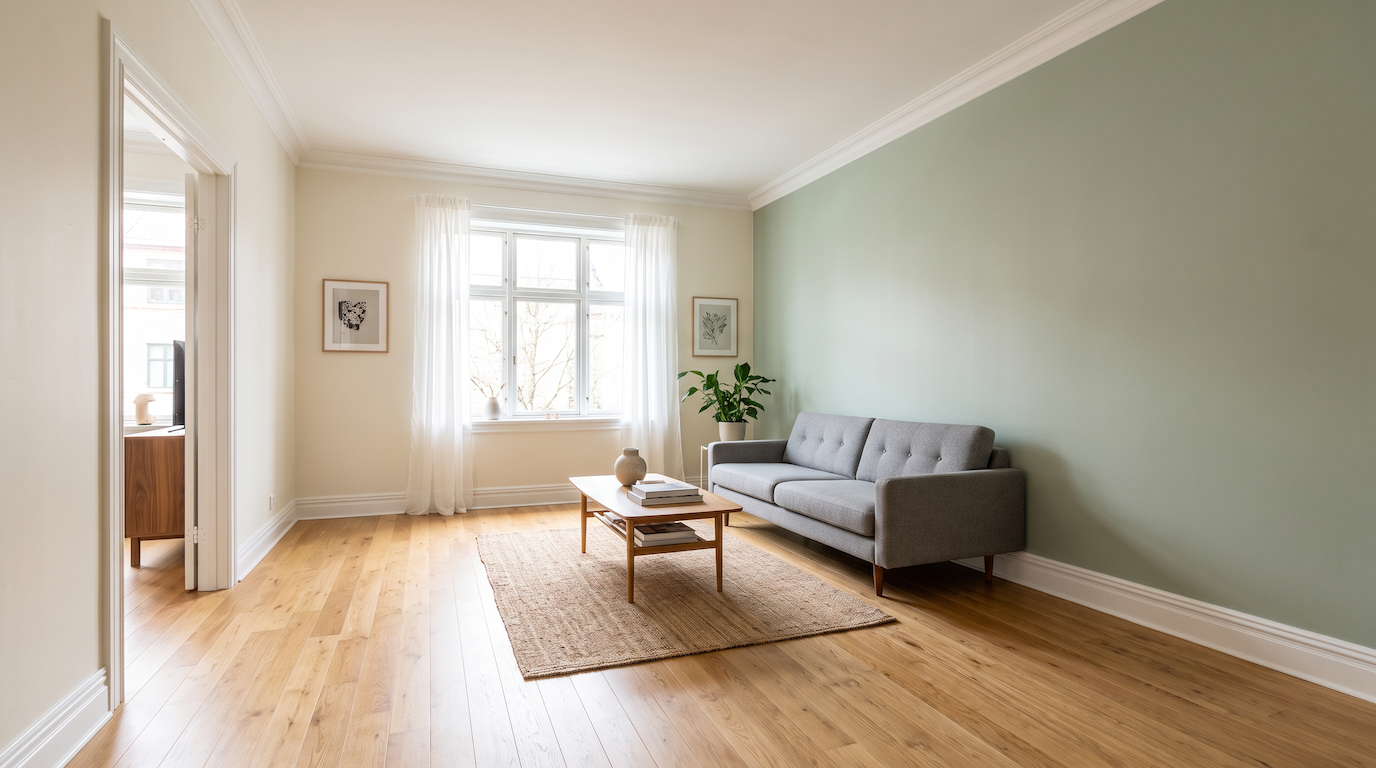
Luxury interiors almost always get the scale right. Baseboards relate to ceiling height. Casings feel substantial enough to frame openings properly. Crown moulding matches the room instead of competing with it.
In contrast, many builder-grade homes use trim that is undersized for the space. Even when the profile itself is attractive, the room can feel unfinished because the proportions are off.
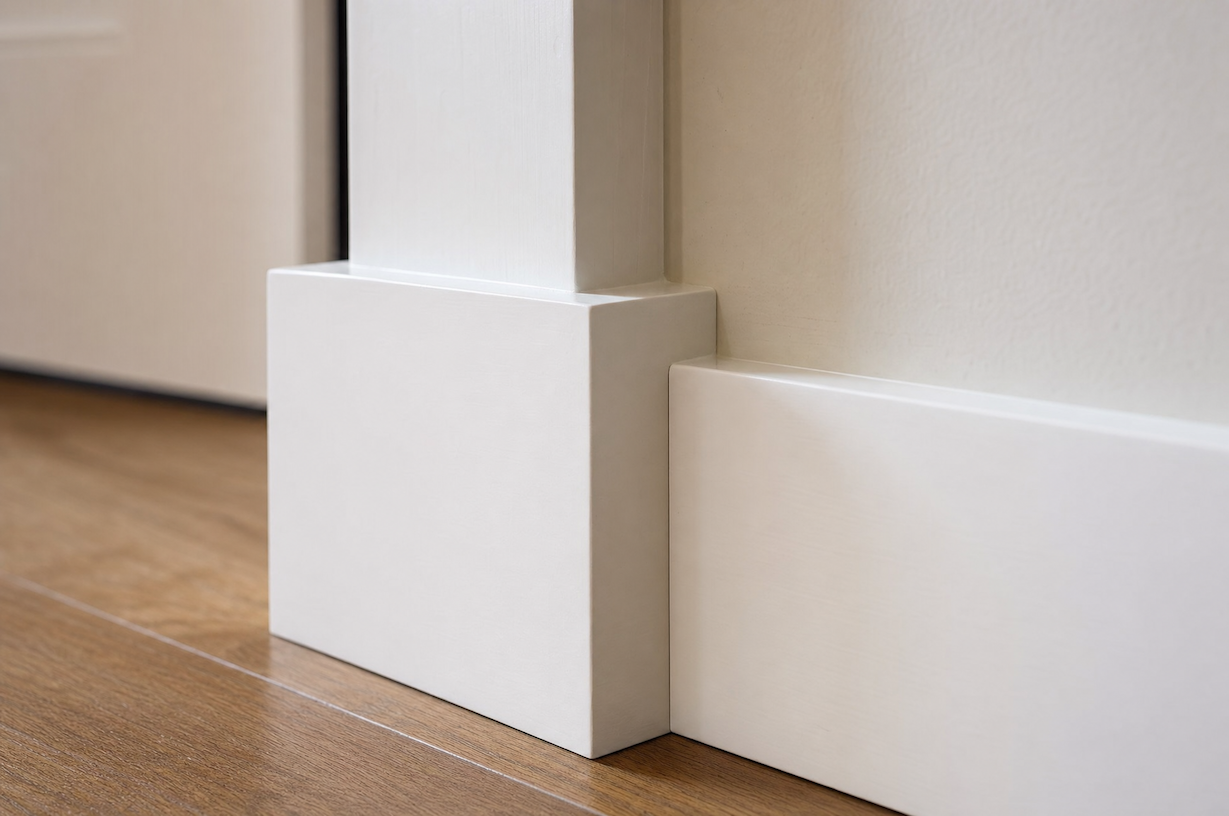
For example, taller ceilings generally benefit from larger baseboard moulding styles because they help anchor the walls visually. Smaller trim can appear lost against large wall surfaces.
High-end design feels balanced because every element is scaled appropriately.
Consistency Creates Luxury
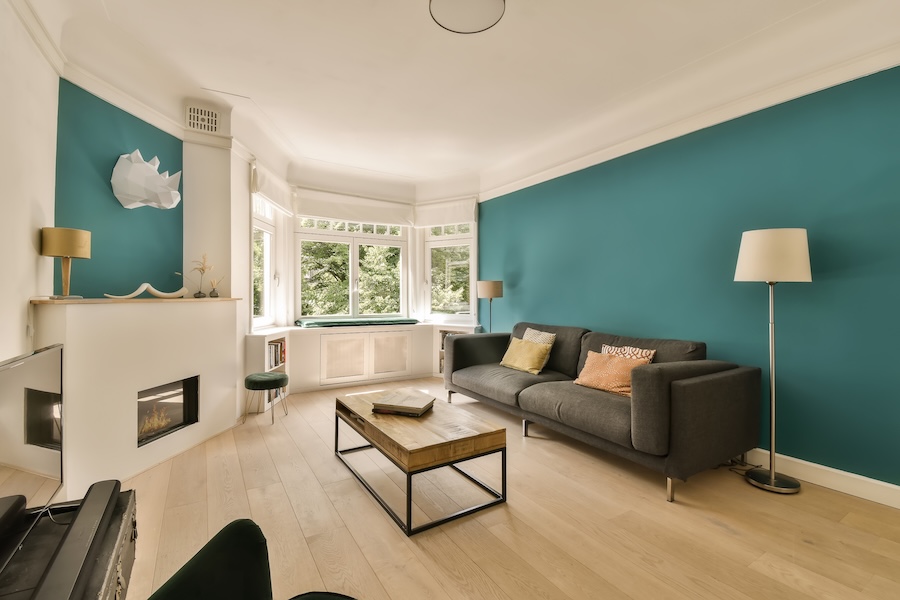
One of the easiest ways to make a home feel less expensive is inconsistency.
Different trim styles in connected spaces, mismatched casing sizes, or random profile changes can make a home feel pieced together.
Luxury interiors typically maintain a clear architectural language throughout the home. That does not mean every moulding profile is identical, but there is a strong sense of continuity.
Baseboards relate to casings. Crown moulding complements the overall style. Decorative details feel intentional.
Consistency creates confidence in the design, and confidence often reads as luxury.
Trim is not just decoration. It is structure for the way we experience a room.
Larger Trim Often Looks More Expensive
There is a reason many custom homes use taller baseboards and wider casings.
Larger trim creates stronger shadow lines and gives rooms more architectural presence. It feels intentional because it occupies space confidently rather than disappearing into the background.
However, bigger is not always better.
The goal is proportional size, not maximum size. Oversized trim in a small room can feel overwhelming. High-end interiors succeed because trim size relates to the scale of the room.
When proportions are correct, larger trim often contributes significantly to a premium appearance.
Crown Moulding Is About Elegance, Not Excess
Many homeowners assume that expensive homes use the most elaborate crown moulding possible.
In reality, luxury interiors often rely on restraint.
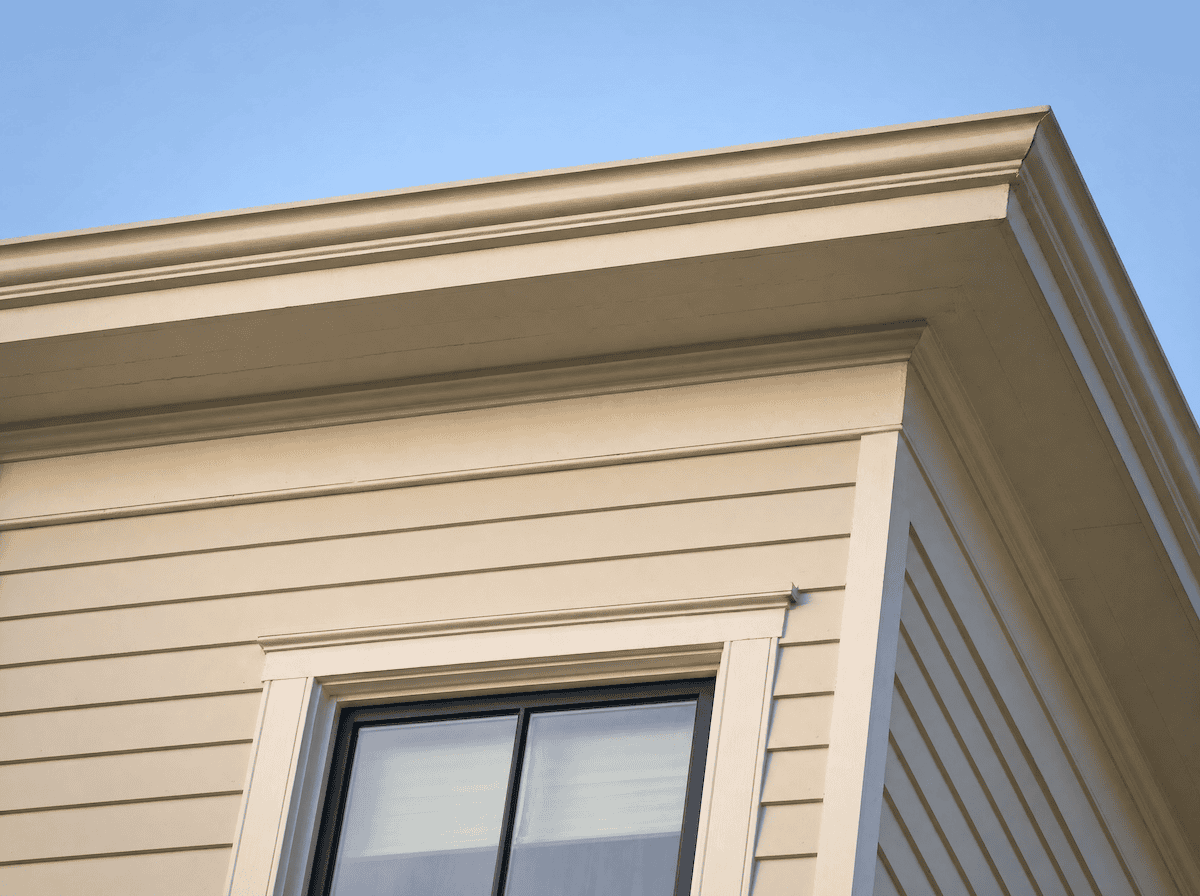
Well-designed crown moulding styles create a smooth transition between walls and ceilings while reinforcing the architecture of the room. They add presence without becoming distracting.
Some of the most expensive homes use relatively simple crown profiles. What makes them successful is proper sizing, clean installation, and consistency throughout the space.
Luxury is usually more about refinement than decoration.
Layering Creates Architectural Depth
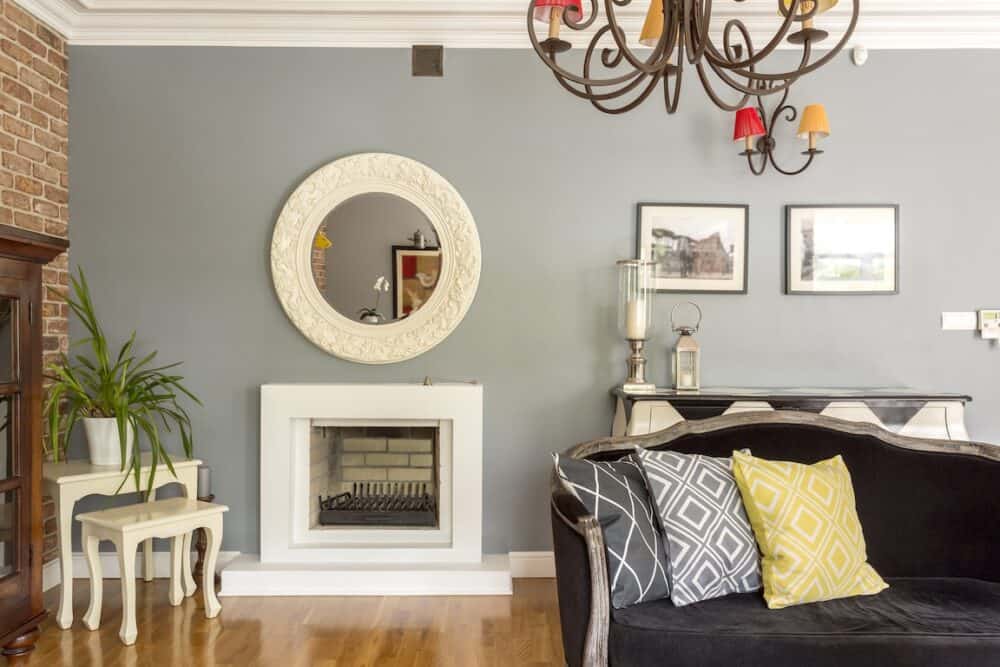
High-end interiors rarely rely on a single trim element.
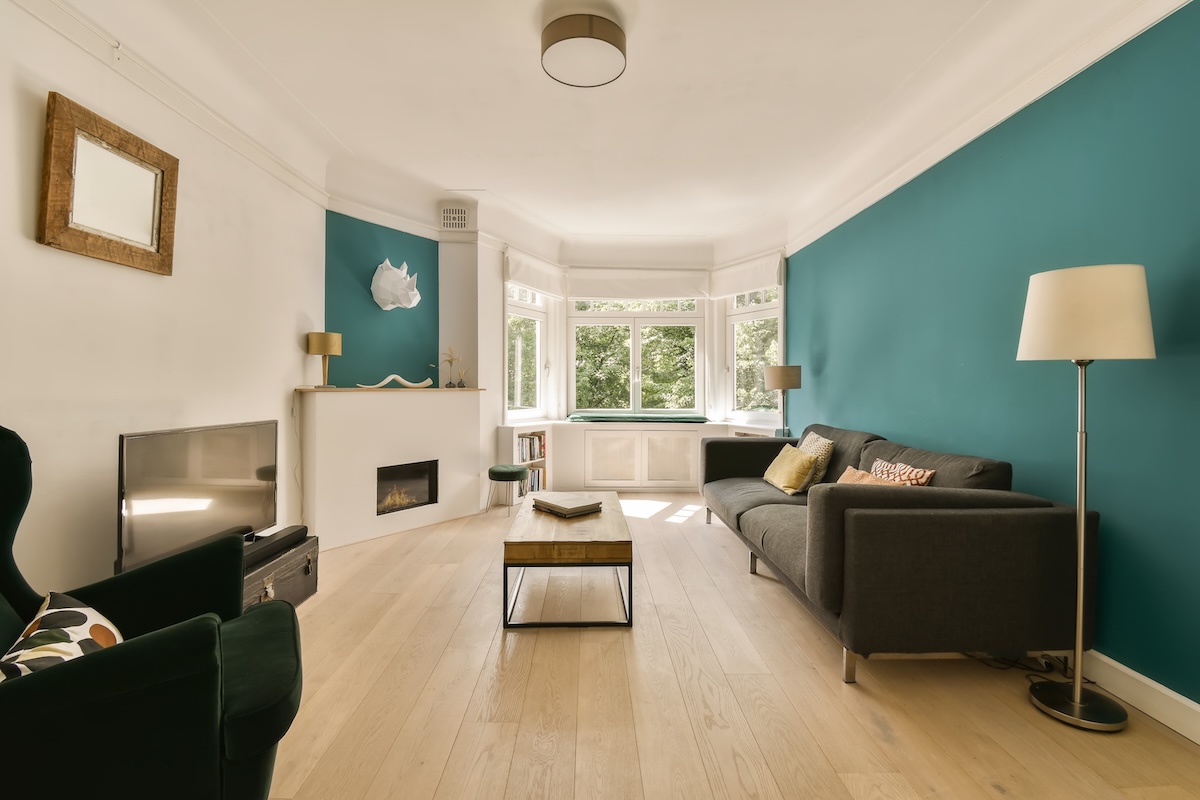
Instead, they often layer multiple moulding types to create depth and dimension. Crown moulding, chair rail, panel moulding, and baseboards may work together as a coordinated system.
This layering creates visual richness without requiring extravagant materials.
For example, subtle decorative wall moulding can transform a plain wall into an architectural feature. Combined with crown moulding and well-proportioned baseboards, the room immediately feels more custom.
The key is balance. Every layer should support the others.
Clean Installation Makes a Huge Difference
Even the most expensive moulding can look inexpensive if it is installed poorly.
Luxury trim is defined by precision.
Joints should be tight. Corners should align cleanly. Transitions should feel seamless. Nail holes should disappear. Caulk lines should be smooth and minimal.
Most people may not consciously notice these details, but they absolutely influence perception.
High-end trim often looks expensive because nothing distracts from the design.
Door and Window Casings Are Often the Secret
Homeowners tend to focus on baseboards and crown moulding, but professional designers know that casings often have the greatest impact.
Every door and window creates a visual interruption in the wall. Well-designed interior door and window casings help those openings feel intentional and substantial.
In luxury homes, casings are often wider and more thoughtfully detailed than builder-grade alternatives.
Because they appear throughout the home, upgrading casings can dramatically change the overall feel of a space.
Material Matters, But Less Than You Think
Many homeowners assume expensive trim automatically means expensive wood species.
While material quality certainly matters, it is rarely the primary factor people notice.
Most visitors respond first to:
- Scale
- Proportion
- Consistency
- Installation quality
- Design cohesion
A well-designed MDF installation can often look more expensive than poorly chosen solid wood trim.
This is why many homeowners compare MDF vs wood trim carefully before making a decision. The best material is the one that supports the design goals and performs well in the environment.
Luxury comes from execution, not just material selection.
Paint Quality Plays a Major Role

Paint can dramatically affect how expensive trim appears.
High-end trim usually features:
- Smooth finishes
- Clean coverage
- Consistent sheen
- Minimal brush marks
A quality paint finish enhances shadow lines and highlights the profile without drawing attention to imperfections.
Many luxury interiors use a satin or semi-gloss finish because it reflects light subtly while remaining easy to maintain.
The finish should enhance the trim rather than become the focus.
Simplicity Often Feels More Expensive
One of the most surprising design secrets is that luxury does not always mean complexity.
Many high-end homes use relatively simple trim profiles. What separates them from lower-end installations is the way those profiles are proportioned, installed, and coordinated.
Overly ornate moulding can sometimes feel dated or excessive.
Simple, well-executed trim often creates a more sophisticated and timeless appearance.
The best luxury design rarely tries too hard.
Architectural Alignment Is Everything
Trim looks expensive when it feels like it belongs to the home.
A modern house benefits from clean profiles and restrained detailing. A traditional home may support more layered moulding and decorative elements.
Problems occur when trim conflicts with the architecture.
The most successful interiors use trim to reinforce the home’s style rather than introduce a completely different one.
When architecture and trim work together, the result feels authentic and elevated.
Trim is not just decoration. It is structure for the way we experience a room.
How We Approach High-End Trim at The Moulding Company
At The Moulding Company, we believe luxury is created through thoughtful design rather than unnecessary complexity.
We help homeowners focus on the elements that truly matter:
- Proper proportion
- Consistent style
- Quality materials
- Precision installation
- Architectural balance
When these factors come together, trim becomes more than a finishing detail. It becomes part of what makes the entire home feel custom.
Final Thoughts
So what makes high-end trim look expensive?
It is not a single moulding profile. It is not the most ornate design. And it is not always the most expensive material.
Luxury trim is the result of proportion, consistency, craftsmanship, and thoughtful architectural decisions. It creates balance, adds depth, and helps every room feel intentional.
At The Moulding Company, we believe the best trim does not simply decorate a room. It elevates it. When trim is chosen and installed correctly, it becomes one of the most powerful design tools in the entire home.
Frequently Asked Questions (FAQs)
Trim looks expensive when it has proper proportions, consistent styling, quality installation, and architectural balance throughout the home.
Not necessarily. Larger trim often looks more expensive when it is proportional to the room and ceiling height.
No, but well-designed crown moulding can add architectural refinement and help create a more custom appearance.
Upgrading baseboards and interior door casings often provides the biggest visual improvement because they appear throughout the home.
Yes. When properly designed, installed, and finished, MDF trim can achieve a very high-end appearance.