Blog
Is It Worth Upgrading Your Trim? Cost vs Visual Impact Explained


When homeowners think about improving their homes, their attention usually goes to major upgrades. New flooring, kitchen renovations, fresh paint, updated lighting, or custom cabinetry tend to dominate the conversation. Trim rarely gets the same level of attention.
At The Moulding Company, we see this all the time. Homeowners invest thousands of dollars into renovations but continue living with outdated, undersized, or damaged trim. The result is often a space that feels improved but not completely finished.
This raises an important question: is upgrading your trim actually worth the investment?
The short answer is yes, but not for the reasons many people think. Trim upgrades are not usually about dramatic transformations. Instead, they are about improving proportion, creating visual balance, and elevating the overall perception of quality throughout the home.
The value of trim is often found in what it does quietly. When chosen correctly, it makes everything else look better.
Why Trim Has Such a Big Impact
Interior trim serves as the framework of a room. Baseboards define the transition between floors and walls. Casings frame doors and windows. Crown moulding connects walls to ceilings. Wall trim adds architectural structure and depth.
Because trim appears throughout the home, it influences nearly every room. Unlike furniture or décor, trim becomes part of the architecture itself.
This widespread presence is why even relatively small trim upgrades can create a noticeable improvement. A room with quality trim often feels more polished, balanced, and intentional, even if homeowners cannot immediately identify why.
Trim helps tie together flooring, paint colors, doors, and other design elements. Without it, rooms can feel unfinished regardless of how much money has been spent elsewhere.
Trim is not just decoration. It is structure for the way we experience a room.
The Difference Between Builder-Grade and Upgraded Trim
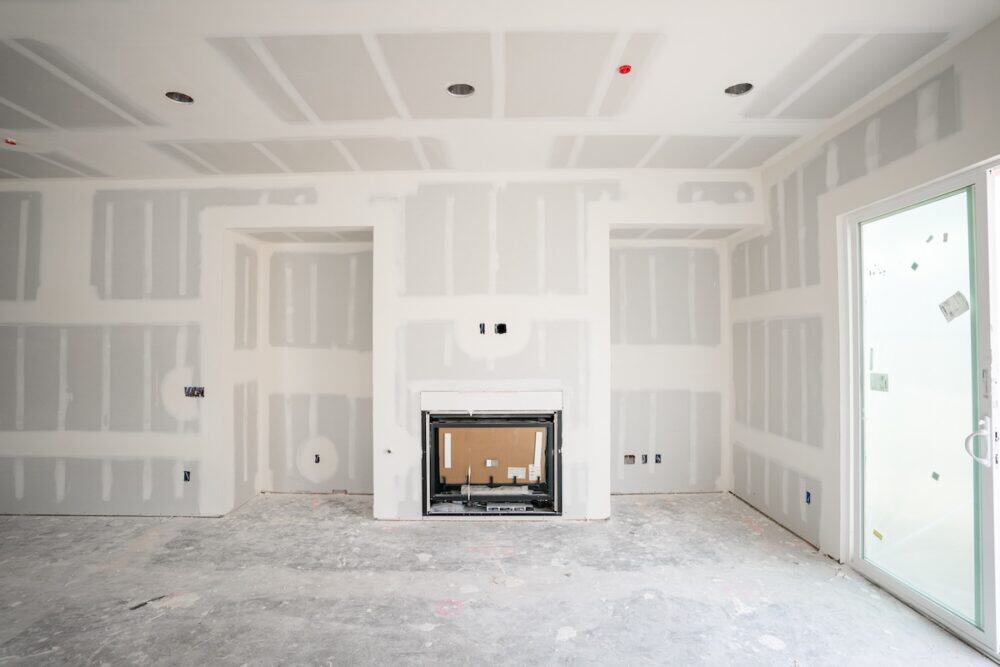
Many homes are built with basic trim profiles designed primarily to meet budget requirements. These profiles are often smaller, thinner, and less proportional than what the space can comfortably support.
Builder-grade trim is not necessarily bad. It simply prioritizes efficiency over architectural impact.
Upgraded trim typically offers:
- Better proportions
- More substantial profiles
- Improved visual balance
- Greater architectural character
- Stronger perceived quality
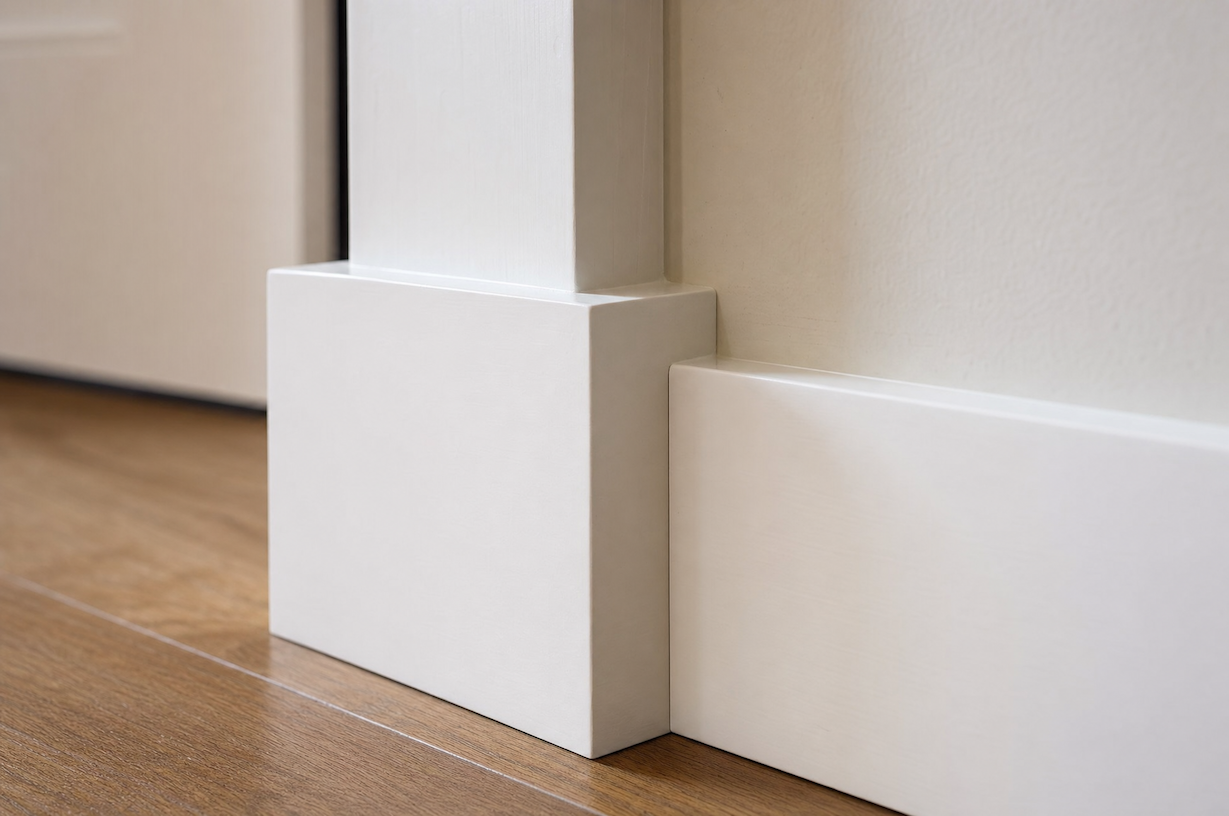
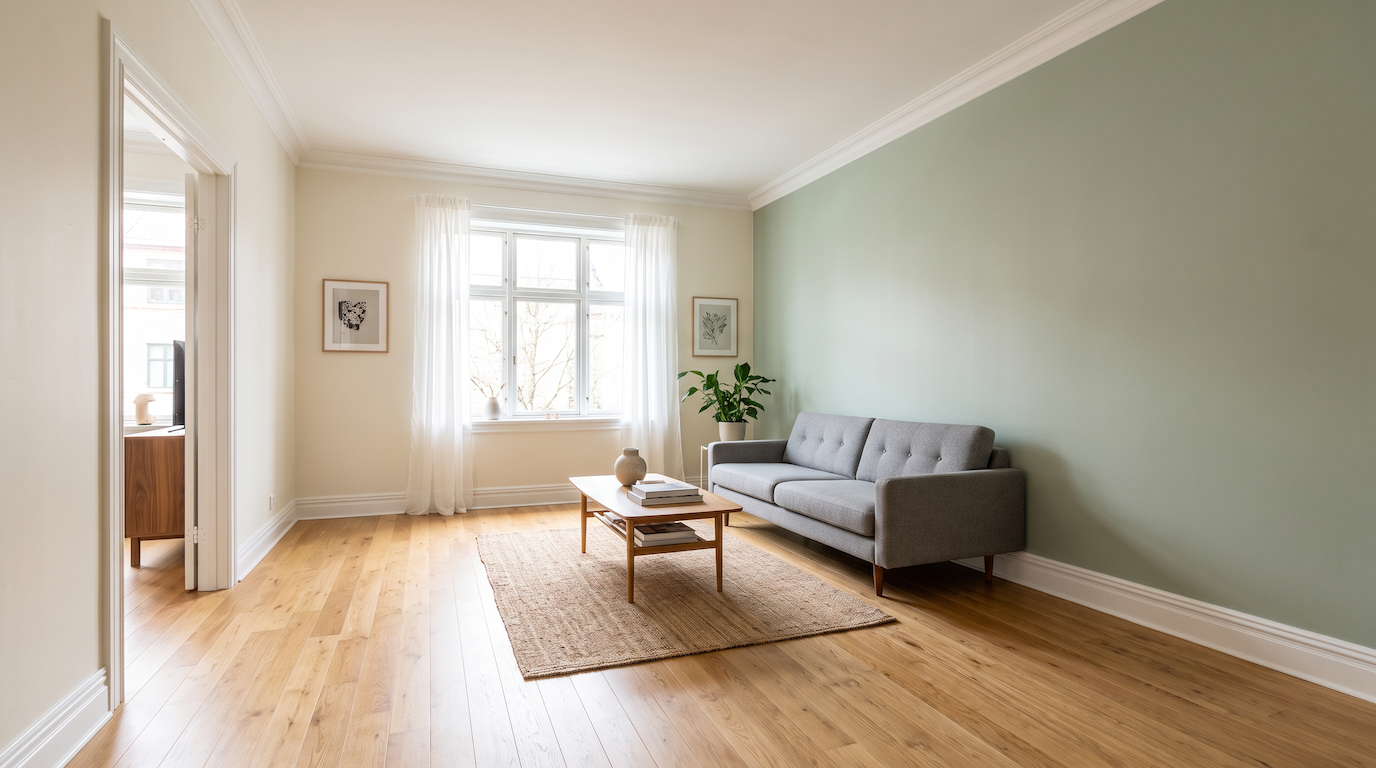
One of the most noticeable upgrades homeowners make is moving from thin builder-grade trim to more substantial baseboard moulding styles that better suit ceiling height and room size.
The difference is often immediate.
Understanding the Cost Side of the Equation
Whenever homeowners consider upgrading trim, cost naturally becomes part of the discussion.
The total investment depends on several factors:
- Size of the home
- Type of trim being installed
- Material selection
- Labor costs
- Number of rooms involved
- Existing trim removal requirements
A full-house trim upgrade costs more than simply replacing flooring in a single room, but compared to major remodeling projects such as kitchens or bathrooms, trim upgrades are often surprisingly affordable.
More importantly, trim affects every room where it is installed. This gives it a unique value proposition because the visual impact extends throughout the home rather than being limited to one area.
Why Visual Impact Often Exceeds Cost
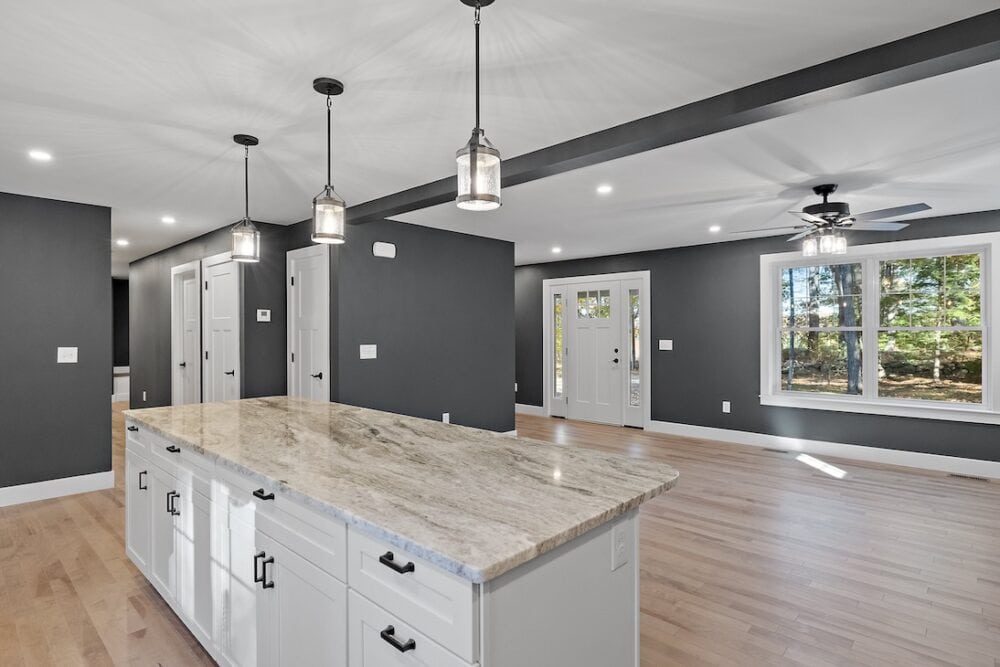
One reason trim upgrades deliver strong value is that they improve the perception of the entire space.
Think about walking into two identical rooms.
The first room has:
- Thin builder-grade baseboards
- Minimal door casings
- Basic transitions
The second room has:
- Well-proportioned trim
- Consistent casings
- Coordinated moulding profiles
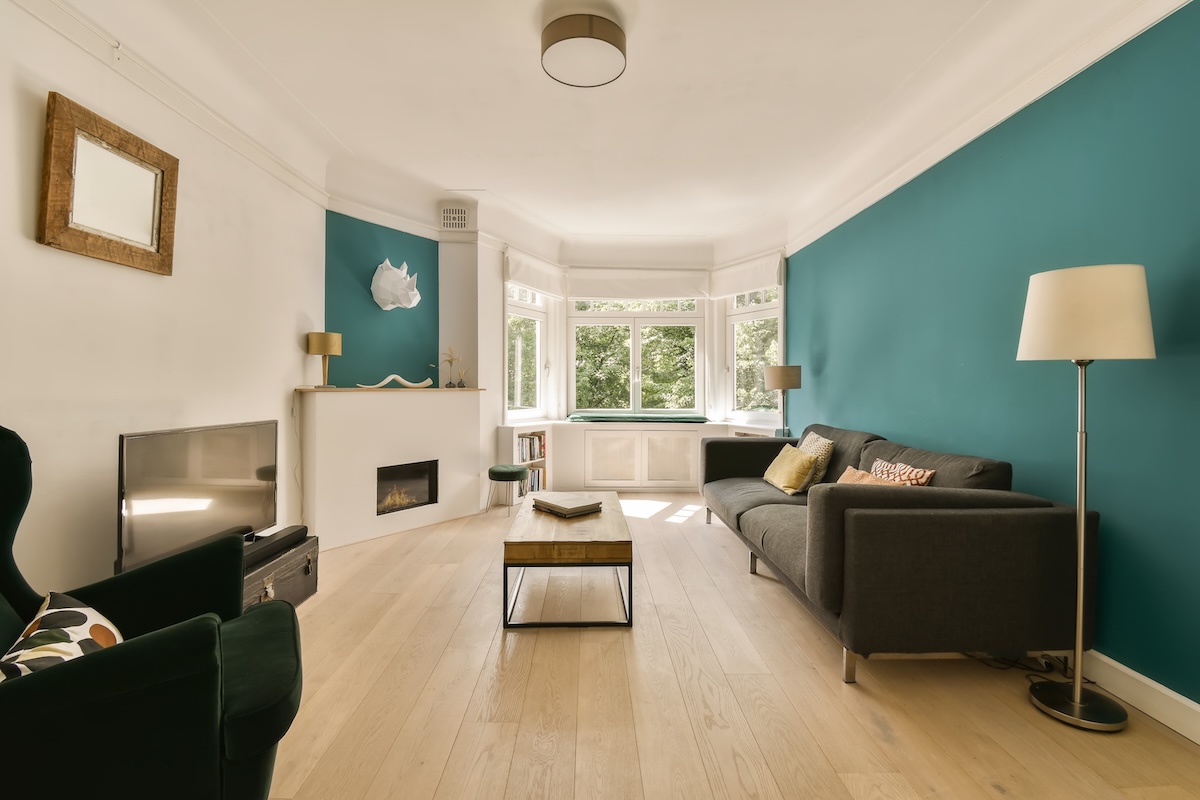
Even if every other element remains the same, most people perceive the second room as more expensive and better designed.
Trim influences how people experience the room as a whole.
This is why many designers view trim as one of the highest visual-return investments available.
Trim is not just decoration. It is structure for the way we experience a room.
When Upgrading Trim Makes the Most Sense
Not every project requires a trim upgrade. However, there are situations where the improvement can be particularly worthwhile.
During a Flooring Renovation
New flooring often highlights outdated trim.
Beautiful hardwood floors paired with undersized baseboards can create an imbalance that becomes difficult to ignore. Upgrading trim during flooring replacement is often cost-effective because the space is already under construction.
In many cases, homeowners discover that new flooring and updated trim complement each other far better than either upgrade alone.
During a Whole-Home Remodel
When walls are being painted, doors replaced, or layouts updated, trim becomes a natural part of the conversation.
This is one of the easiest times to upgrade because installation can be coordinated with other work already taking place.
Many homeowners working with our custom moulding services choose this opportunity to create a more cohesive architectural style throughout the home.
Before Selling a Home
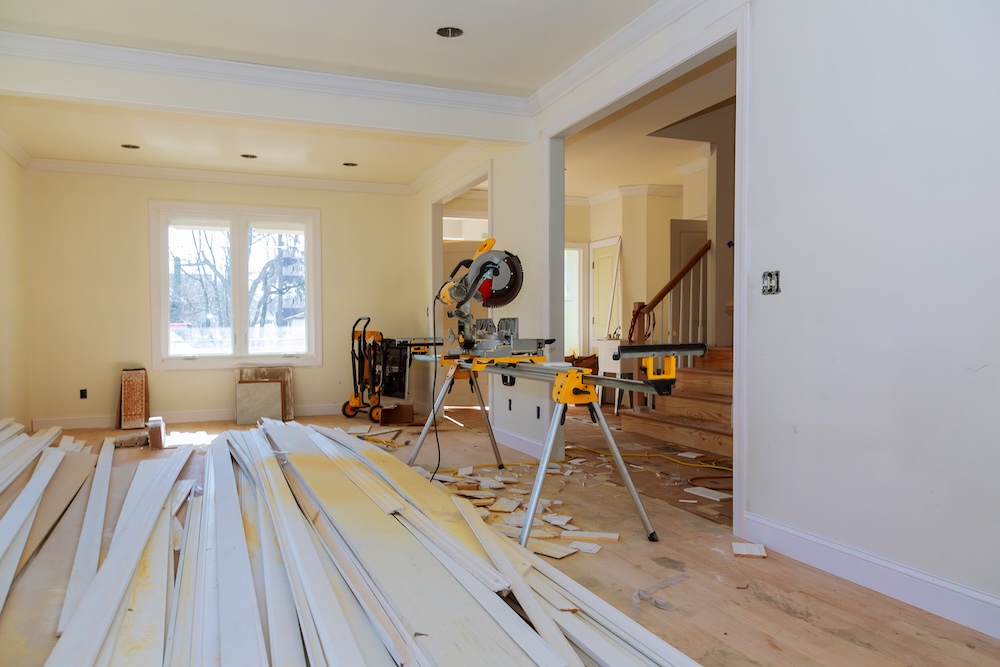
While trim upgrades may not directly increase appraised value dollar-for-dollar, they can significantly improve buyer perception.
Well-maintained trim suggests attention to detail and quality craftsmanship. It helps create a stronger first impression and can make the home feel more move-in ready.
In competitive markets, these details matter.
Crown Moulding and Visual Value
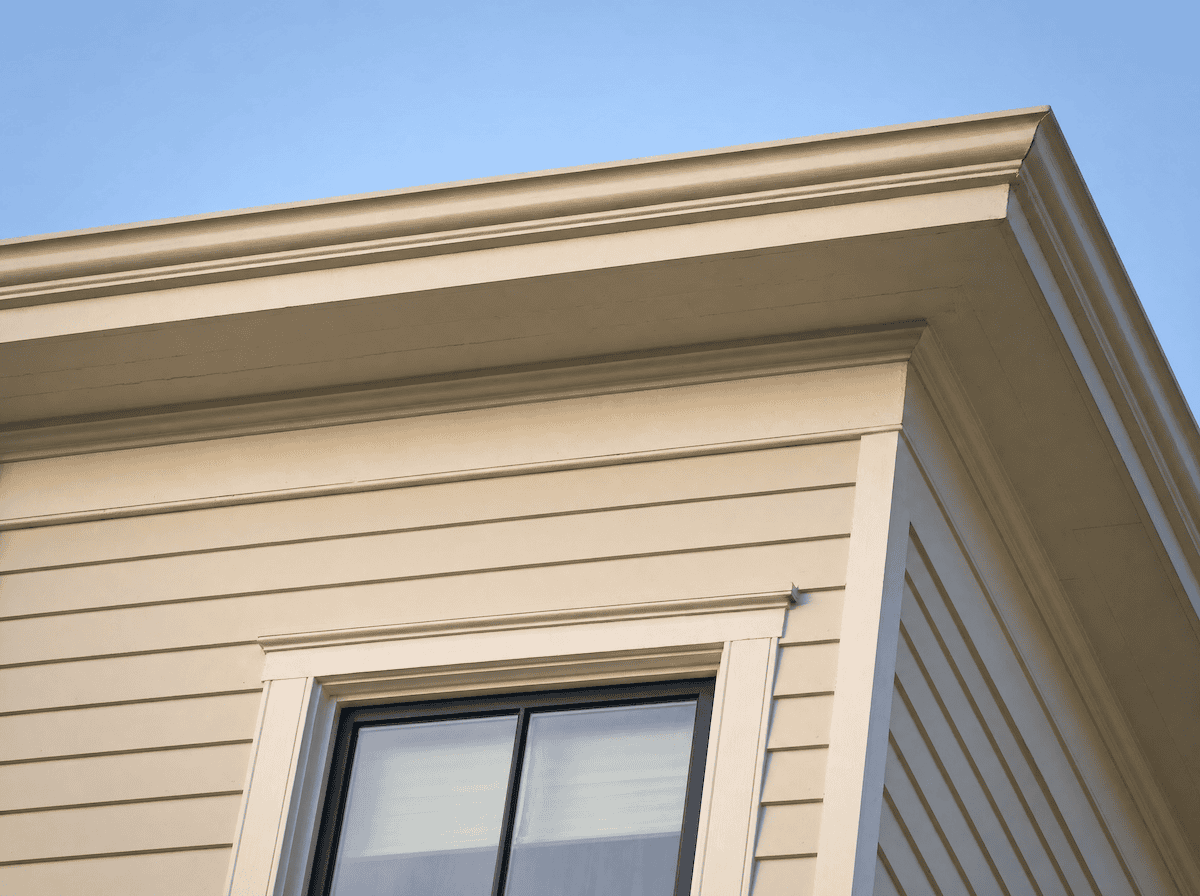
Among all trim upgrades, crown moulding styles often deliver some of the most noticeable visual improvements.
Crown moulding helps define the ceiling line and adds architectural refinement to living rooms, dining rooms, entryways, and primary bedrooms.
However, crown moulding is most effective when chosen carefully. Oversized profiles in smaller rooms can feel overwhelming, while undersized profiles may go unnoticed.
The goal is to enhance the room rather than dominate it.
When properly scaled, crown moulding can make ceilings feel more intentional and complete.
Casings: The Most Overlooked Upgrade
Door and window trim is often overlooked because homeowners focus primarily on baseboards and crown moulding.
Yet interior door and window casings appear repeatedly throughout the home. Every doorway and window becomes a visual touchpoint.
Upgrading casings creates consistency and architectural definition. In many homes, updated casings can have as much impact as upgraded baseboards.
Because they frame openings, casings influence how rooms connect and flow together.
The Material Question
Material selection also affects the value equation.
Many homeowners compare MDF vs wood trim when planning upgrades.
Both options can produce excellent results when chosen appropriately.
The right choice depends on:
- Budget
- Room conditions
- Desired finish
- Maintenance expectations
Material should be evaluated based on long-term performance as well as initial cost.
A successful trim upgrade balances appearance, durability, and practicality.
What About Homes With Modern Design?
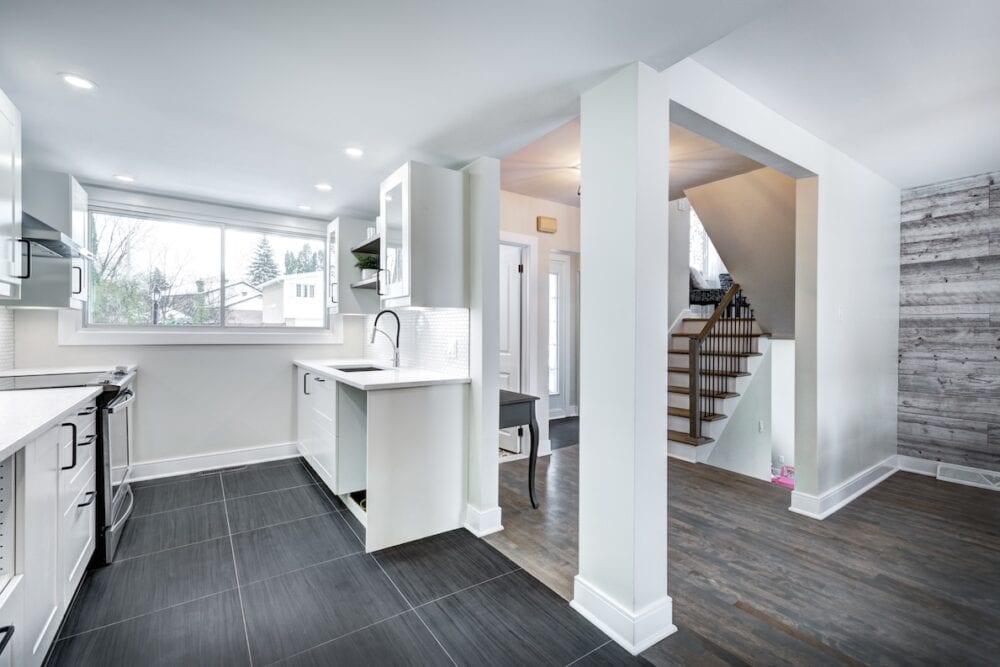
Some homeowners worry that trim upgrades only make sense in traditional homes.
That is not true.
Modern interiors benefit from trim just as much as traditional spaces. The difference lies in profile selection.
Modern homes often use:
- Simpler baseboards
- Cleaner casings
- Minimal crown moulding
- Streamlined transitions
The trim may be less decorative, but it still plays a critical role in defining the architecture.
Even minimalist design depends on thoughtful detailing.
Trim is not just decoration. It is structure for the way we experience a room.
When Trim Upgrades May Not Be Necessary
There are situations where replacing trim may not be the best investment.
If existing trim:
- Is in good condition
- Fits the home’s architecture
- Maintains proper proportions
- Matches recent renovations
then refinishing or repainting may be sufficient.
Not every home needs a complete trim overhaul.
Sometimes strategic upgrades in key spaces provide the best balance between cost and impact.
How We Evaluate Trim Upgrades at The Moulding Company
At The Moulding Company, we encourage homeowners to evaluate trim as part of the larger design picture.
We consider:
- Ceiling height
- Room proportions
- Architectural style
- Existing materials
- Future renovation plans
Our goal is not simply to recommend more trim. It is to help homeowners understand where upgrades create meaningful visual improvement and where existing trim may already be doing its job well.
The best decisions are always the ones that support the home as a whole.
Final Thoughts
So, is it worth upgrading your trim?
In many cases, absolutely.
Trim may not be the most exciting renovation item on a project list, but it often delivers one of the strongest visual returns relative to cost. It influences every room, improves architectural character, and helps create the sense of quality that homeowners and buyers immediately notice.
Whether you are replacing baseboards, upgrading casings, adding crown moulding, or planning a full renovation, trim has the power to elevate the entire home.
At The Moulding Company, we believe great trim is not about adding decoration for the sake of it. It is about creating balance, proportion, and lasting value that improves how a home looks and feels every day.
Frequently Asked Questions (FAQs)
Yes, trim upgrades often provide a strong visual return on investment by improving proportion, architectural detail, and perceived quality throughout the home.
Baseboards and crown moulding usually provide the most noticeable transformation because they affect the overall structure and balance of a room.
While trim alone may not dramatically increase appraised value, it can improve buyer perception and make a home feel more refined and well-maintained.
Yes. Remodeling projects are often the most cost-effective time to replace or upgrade trim because walls, floors, and other finishes are already being updated.
If the existing trim is damaged, undersized, or outdated, replacement may be worthwhile. If the trim is in good condition, repainting can often provide a fresh updated look.