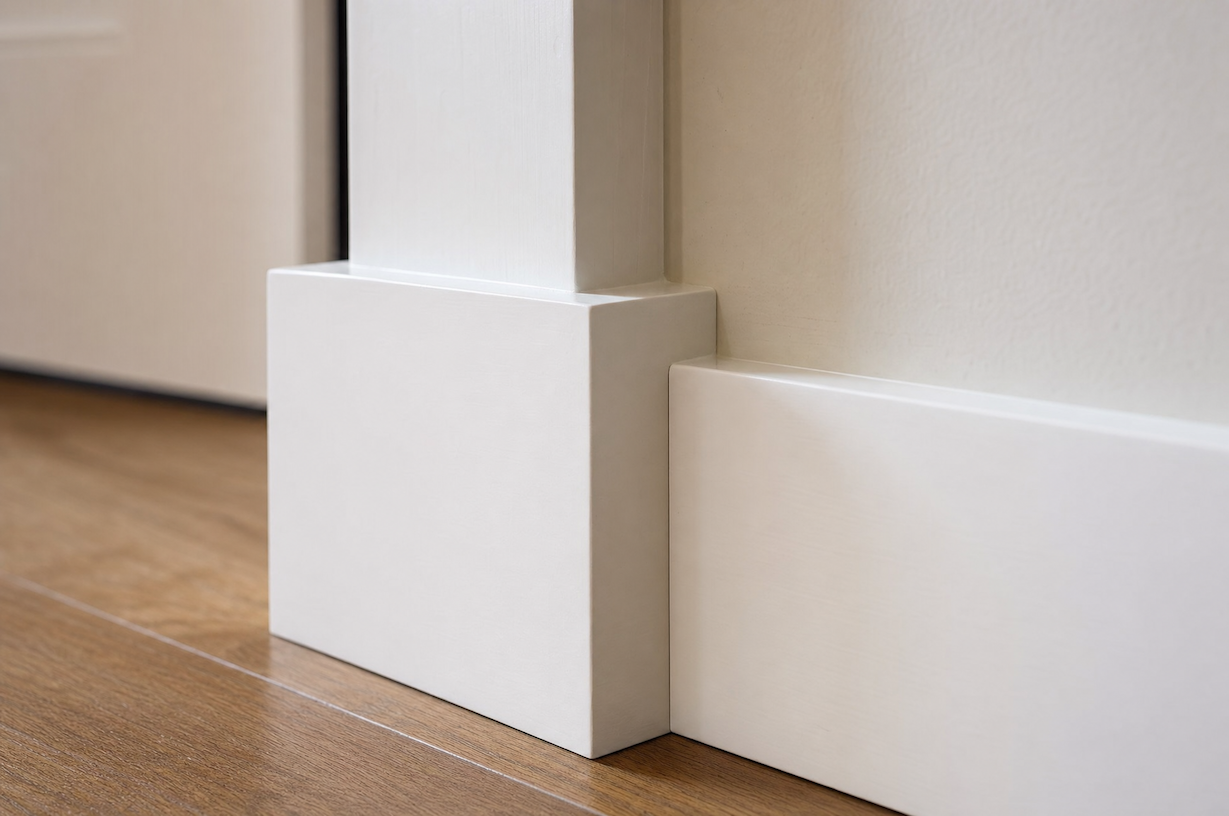
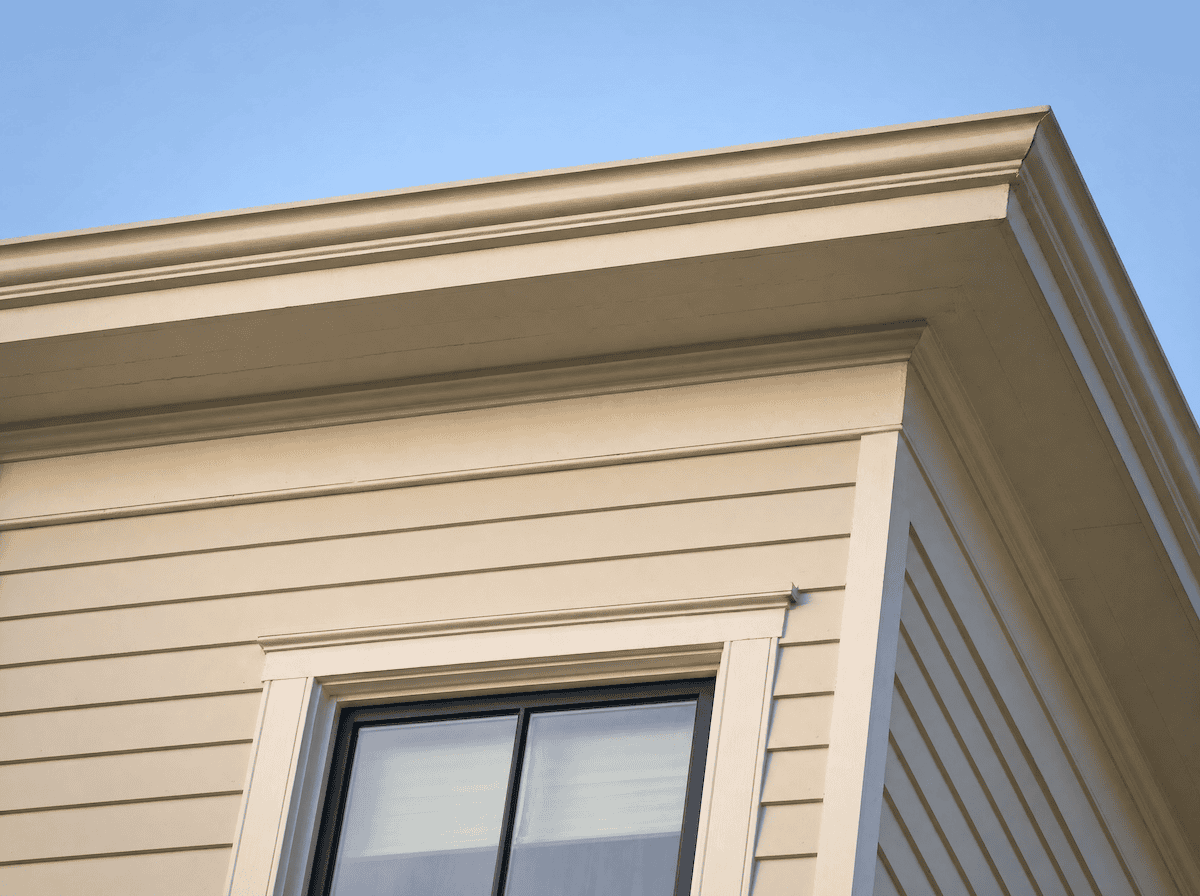
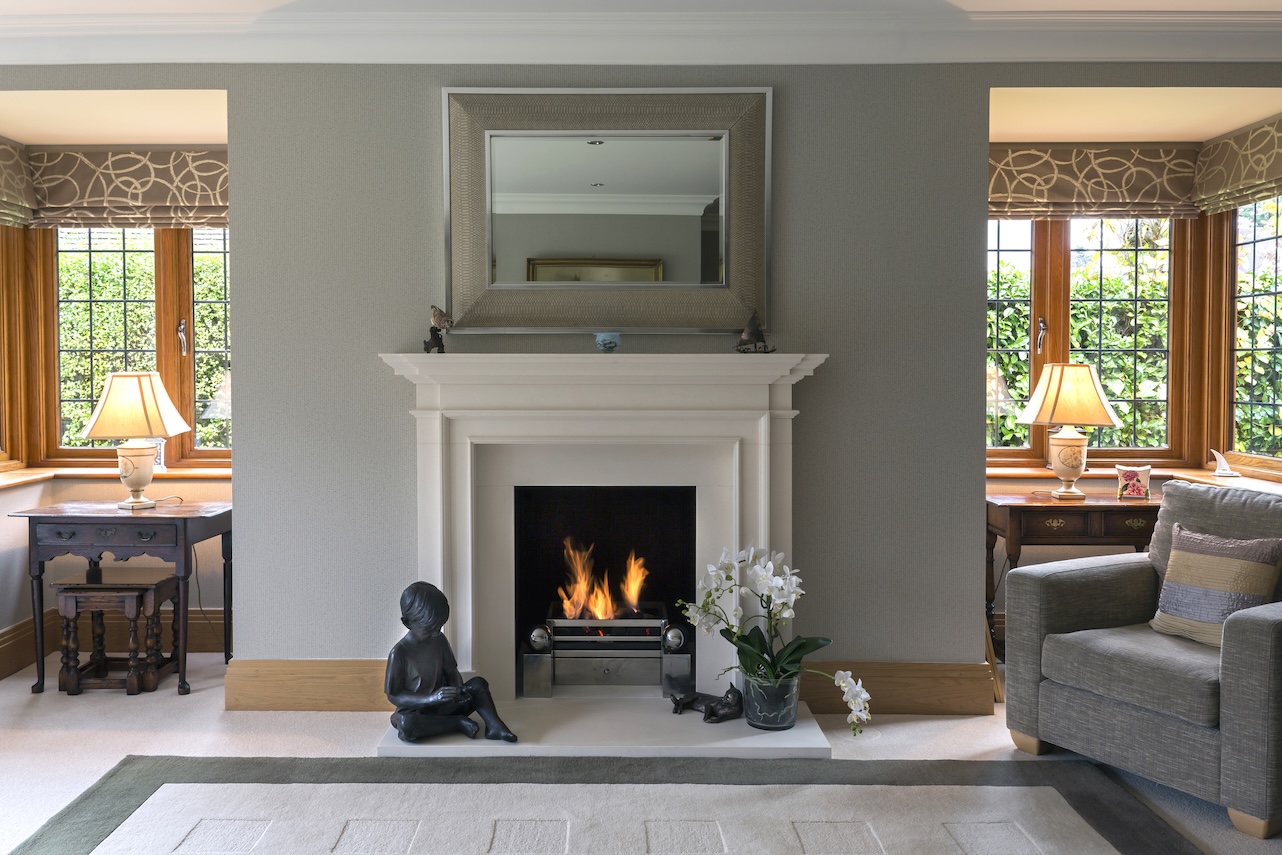
Blog
How to Choose Trim When Renovating vs Building a New Home


Building a new home and renovating an existing one may lead to the same goal, a beautiful finished space, but the process of choosing trim is often very different. What works perfectly in a new construction project may not be the best solution during a renovation. Existing architecture, room proportions, budget constraints, and design continuity all influence the decisions homeowners need to make.
At The Moulding Company, we work with both homeowners building from the ground up and those updating homes that have been standing for decades. One of the first things we explain is that trim selection should never happen in isolation. The right moulding depends on the stage of the project, the condition of the home, and the long-term design goals.
Whether you are planning a custom build or renovating a single room, understanding the differences between these two approaches can help you make better decisions and avoid costly mistakes later.
Why Trim Decisions Are Different in New Construction
A new home offers something that renovations rarely do: a blank canvas.
There are no existing baseboards to match, no outdated door casings to work around, and no previous design decisions influencing the project. Every trim profile can be selected as part of a complete architectural plan.
This freedom allows homeowners and builders to think holistically. Ceiling heights, flooring, doors, cabinetry, and moulding can all be coordinated from the beginning.
Because everything is being built together, trim can become part of the architectural identity of the home rather than simply a finishing detail.
This is one reason many custom homes achieve such a cohesive look. Every element is designed to work together from day one.
Renovation Projects Come With Existing Conditions
Renovations present a different challenge.
Instead of starting from scratch, homeowners must work with what already exists. Existing doors, flooring, ceiling heights, wall layouts, and architectural features all influence trim decisions.
Sometimes the goal is to preserve the original character of the home. Other times, the objective is to modernize the space without making the updates feel disconnected from the rest of the house.
This often requires a more strategic approach.
For example, replacing trim in one room without considering adjacent spaces can create visual breaks that make the home feel inconsistent. In many cases, homeowners benefit from reading Common Trim Mistakes Homeowners Make before beginning a renovation because many of the issues discussed there stem from isolated design decisions.
Trim is not just decoration. It is structure for the way we experience a room.
Choosing Trim for New Construction
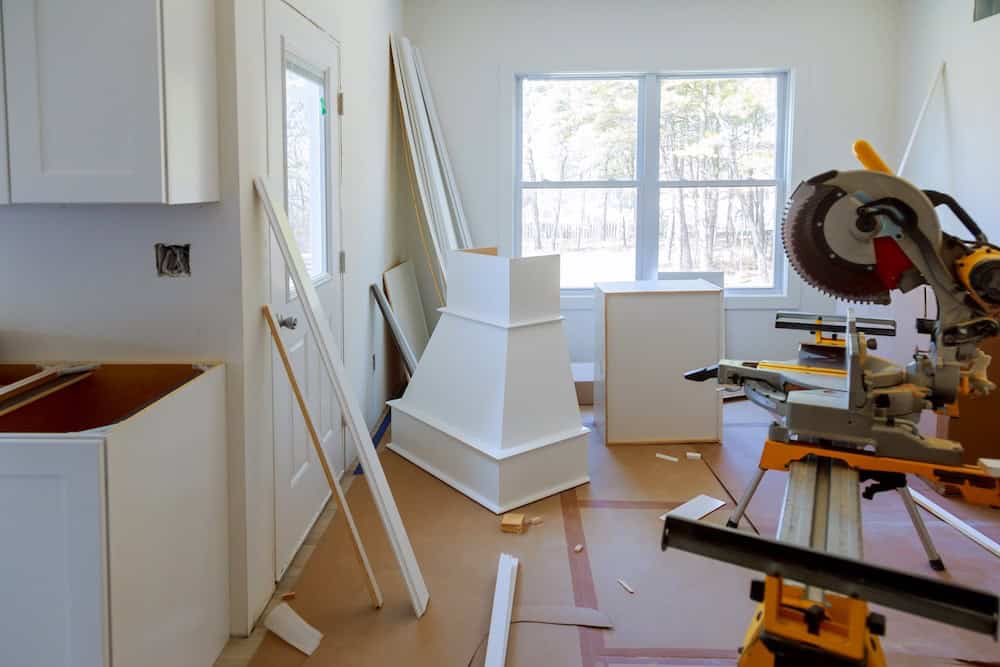
When building a new home, one of the biggest advantages is the ability to plan trim around the architecture rather than adapting to existing conditions.
This is the ideal time to think about:
- Ceiling height
- Room proportions
- Architectural style
- Future furniture placement
- Long-term design goals
Many homeowners focus on finishes such as flooring and paint first, but trim should be part of those conversations from the beginning.
The best results occur when baseboards, casings, crown moulding, and wall details are selected as a complete system.
If you are designing a custom home, our Custom Services team can help create moulding solutions that align with the overall architectural vision rather than forcing standard profiles into a unique space.
Choosing Trim During a Renovation
Renovation projects require a balance between improvement and continuity.
Sometimes the existing trim is worth preserving. Other times, replacing it entirely creates a cleaner and more cohesive result.
One of the first questions homeowners should ask is whether the current trim still fits the home’s style and proportions.
If the answer is no, it may be worth considering an upgrade.
This is particularly true when:
- Flooring is being replaced
- Doors are being updated
- Room layouts are changing
- Ceiling heights are being altered
- Architectural features are being added
Our article When to Replace Interior Trim During a Remodel explores this decision in greater detail and can help determine whether replacement is truly necessary.
Matching Existing Trim vs Starting Fresh
One of the biggest differences between renovation and new construction projects is the need to match existing moulding.
In older homes, finding an exact profile match can sometimes be difficult. Profiles may have been discontinued or custom-made decades ago.
Homeowners then face a choice.
Should they replicate the existing trim throughout the project, or should they use the renovation as an opportunity to establish a new design direction?
There is no universal answer. The right choice depends on the condition of the existing trim, the scope of the renovation, and the long-term plans for the home.
Material Selection Matters More During Renovations

Material decisions can also vary between new builds and remodels.
In a new home, material choices are often made based on design goals and budget. During a renovation, homeowners may also need to consider compatibility with existing trim.
Many people compare MDF vs Wood Trim: Which Material Is Right for Your Project? when planning upgrades because the answer can differ significantly between a brand-new build and a remodel.
Environmental conditions, maintenance requirements, and finish preferences should all play a role in the decision.
Think About Future Design Flexibility
One mistake we often see in both new builds and renovations is selecting trim based entirely on current trends.
The better approach is to focus on timeless design principles.
If you want trim that continues to look relevant years from now, our guide on How to Choose Trim That Won’t Go Out of Style provides valuable insight into selecting profiles that work beyond today’s trends.
This becomes especially important in new construction, where trim choices may remain in place for decades.
Homeowners and Contractors Have Different Priorities
The trim selection process can also vary depending on who is managing the project.
Many homeowners focus on aesthetics, maintenance, and long-term value. Contractors often need to consider installation efficiency, project timelines, and consistency across large spaces.
Both perspectives matter.
That is why we created dedicated resources for Homeowners and Contractors, helping each group make informed decisions based on their specific needs.
Trim is not just decoration. It is structure for the way we experience a room.
Location Can Influence Project Planning
Availability, shipping logistics, and project schedules often affect trim decisions more than homeowners expect.
Whether you are building a new home in Santa Clara County, renovating a property in Contra Costa County, updating a residence in San Mateo County, or managing a project in Sacramento County, planning ahead can help avoid delays and keep installations moving smoothly.
Our Shipping Locations page can help you understand delivery options and timelines before finalizing your trim selections.
Why Professional Guidance Makes a Difference
Both renovations and new builds involve dozens of design decisions. Trim is only one part of the process, but it influences how everything else comes together.
At The Moulding Company, we help customers evaluate:
- Existing architecture
- Ceiling height
- Room proportions
- Design goals
- Material options
- Installation requirements
This ensures trim choices support the entire project rather than becoming an afterthought.
If you are unsure where to begin, our Why Us page explains how we work with homeowners, designers, and builders to create more cohesive interiors.
Final Thoughts
Choosing trim for a renovation is different from choosing trim for a new home, but the goal remains the same: creating spaces that feel intentional, balanced, and built to last.
New construction offers the freedom to design everything from scratch. Renovations require thoughtful decisions that respect existing conditions while improving the overall look of the home.
Neither approach is better. They simply require different strategies.
At The Moulding Company, we help homeowners and contractors navigate both paths. Whether you are building a custom home or transforming an existing one, the right trim choices can elevate the entire project and create results that look beautiful for years to come.
Frequently Asked Questions (FAQs)
New homes offer more flexibility because there are no existing trim profiles or architectural elements that need to be matched.
Not necessarily. If the existing trim is in good condition and fits the updated design, it may be worth keeping.
Yes, but the styles, proportions, and finishes should remain consistent to avoid a mismatched appearance.
The best material depends on the room, budget, existing trim, and desired finish. Both MDF and wood can work well when selected appropriately.
Trim should be planned early in the design process so it can coordinate with flooring, doors, cabinetry, and overall architectural style.