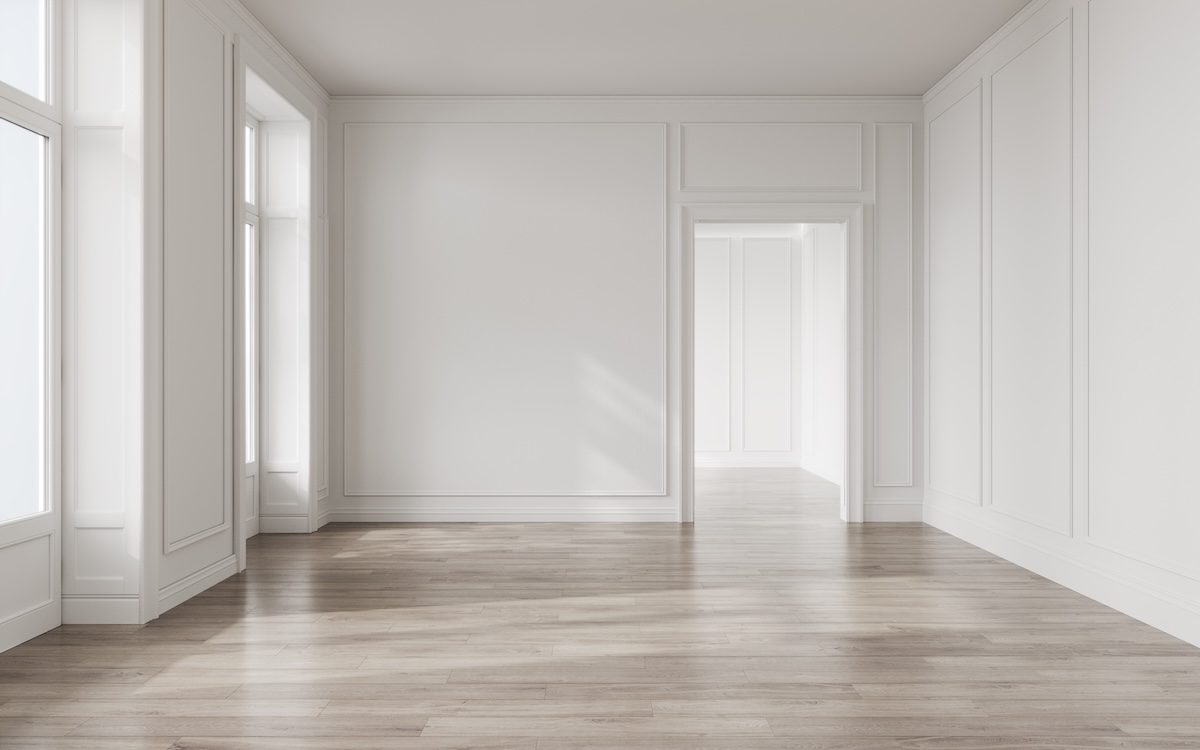
Blog
Cove Moulding: What It Is and Where It Belongs


Most people have lived with cove moulding without ever learning its name. It is the soft, scooped curve where a ceiling meets a wall in an older apartment. It is the quiet detail tucked under a stair tread, or the small strip finishing the top of a kitchen cabinet.
At The Moulding Company, we have worked with homeowners, designers, and builders on projects of every size, and cove is the profile people describe rather than name. They ask for “the curved one,” or “the opposite of quarter round.” Both descriptions are correct.
Cove is one of the simplest profiles in millwork and one of the most useful. It fits in places a full crown cannot go, it costs less per foot, and in the right room it looks more considered than something far more ornate.
This guide covers what cove moulding is, where it belongs, how to size it, and when to choose it over crown.
What Cove Moulding Actually Is
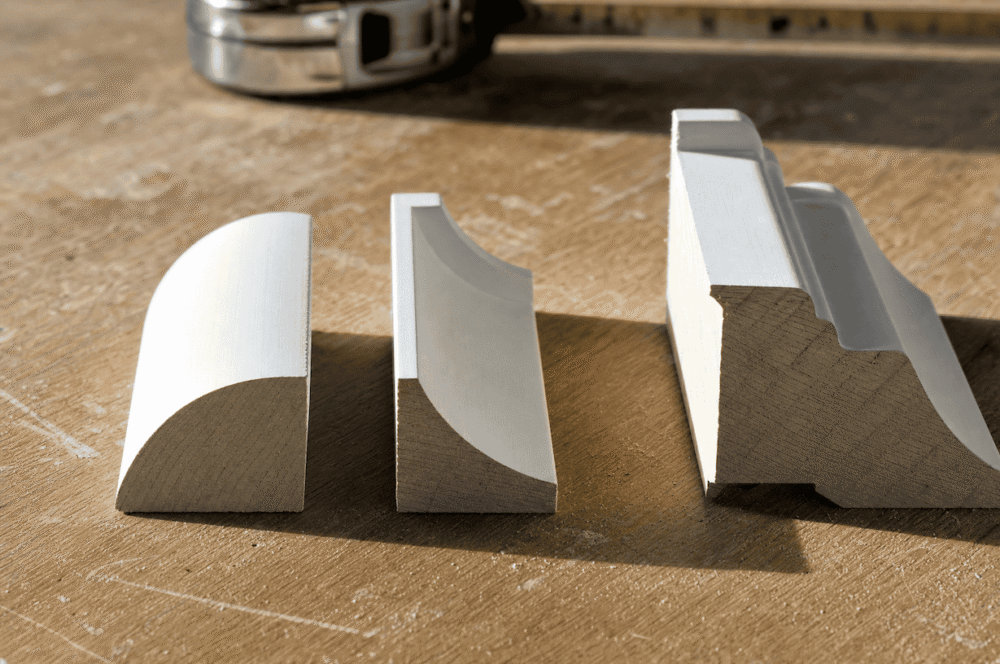
Cove moulding is a trim profile with a single concave curve. The face of the board scoops inward, like the inside of a quarter circle.
That one detail defines it. Quarter round is convex and bulges outward. Cove is its mirror image. Where quarter round fills a corner with a rounded bump, cove bridges the same corner with a hollow.
Because the profile is so simple, cove reads as a shadow line rather than as ornament. It creates a soft transition between two surfaces without adding visual weight, which is exactly why it survives in homes where heavier trim would feel like too much.
Cove is milled across a wide range of sizes, from half-inch strips used as glass bead or cabinet detail up to profiles six inches and wider used as a full ceiling treatment. In our own cove selection, that range runs from small interior profiles through to MC097 Exterior Cove in Western Red Cedar.
Cove Moulding vs Crown Moulding
These two get confused constantly, and the confusion is fair. Both often live where the wall meets the ceiling.
The difference is the profile, not the position.
Crown moulding is a compound profile. It usually combines several shapes in one piece: an ogee, a fillet, a cove, sometimes dentil or rope detail. It is designed to be installed sprung, meaning it sits at an angle and bridges the wall and ceiling rather than lying flat against either one.
Cove moulding is a single concave curve. It can be installed sprung like crown, or flat against one surface.
In practice the choice comes down to what the room can carry:
- Crown adds formality and depth. It suits taller ceilings, traditional architecture, and formal rooms.
- Cove adds softness and restraint. It suits standard or low ceilings, modern and transitional homes, and any room where the ceiling line should be defined without being announced.
Homeowners comparing crown moulding styles often assume more profile means more value. In a room with an eight-foot ceiling, a large crown frequently does the opposite. It eats headroom and makes the ceiling feel lower than it is.
A Coved Ceiling Is Not the Same Thing
This is worth clearing up, because the two terms collide constantly in search results and in contractor conversations.
A coved ceiling is an architectural feature. The wall curves into the ceiling in a continuous plaster radius, with no seam and no applied trim. It is built, not installed. You see it in homes from the 1920s and 1930s, and recreating it today means plaster work, not millwork.
Cove moulding is a milled piece of wood or MDF that gets fastened in place. It can suggest the softness of a coved ceiling at a fraction of the cost and without touching the plaster.
A simple rule: if someone says their old house has coved ceilings, they usually mean plaster. If a contractor quotes cove, they usually mean moulding. Ask which one before the estimate is written.
Where Cove Moulding Belongs
Cove is unusually versatile because a concave curve works anywhere two surfaces meet at an inside angle. Common uses include:
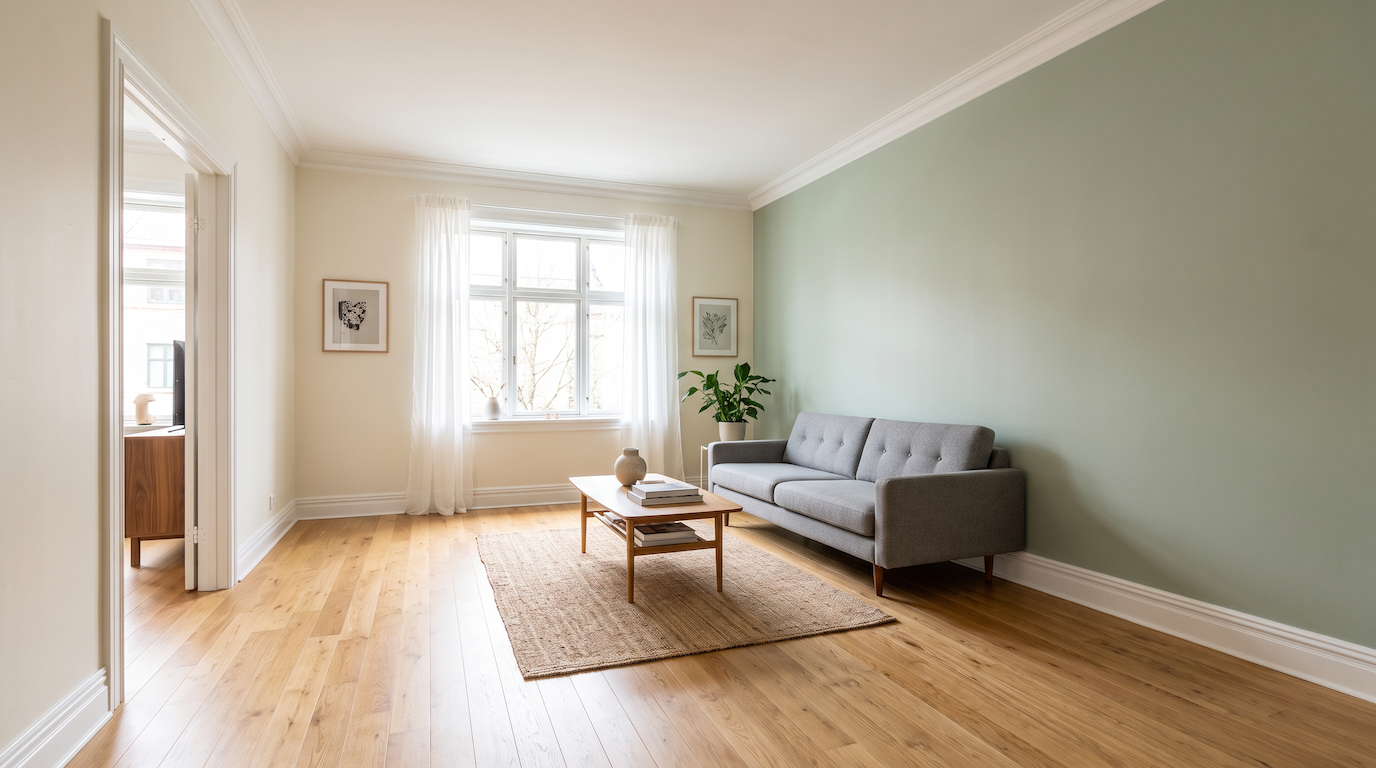
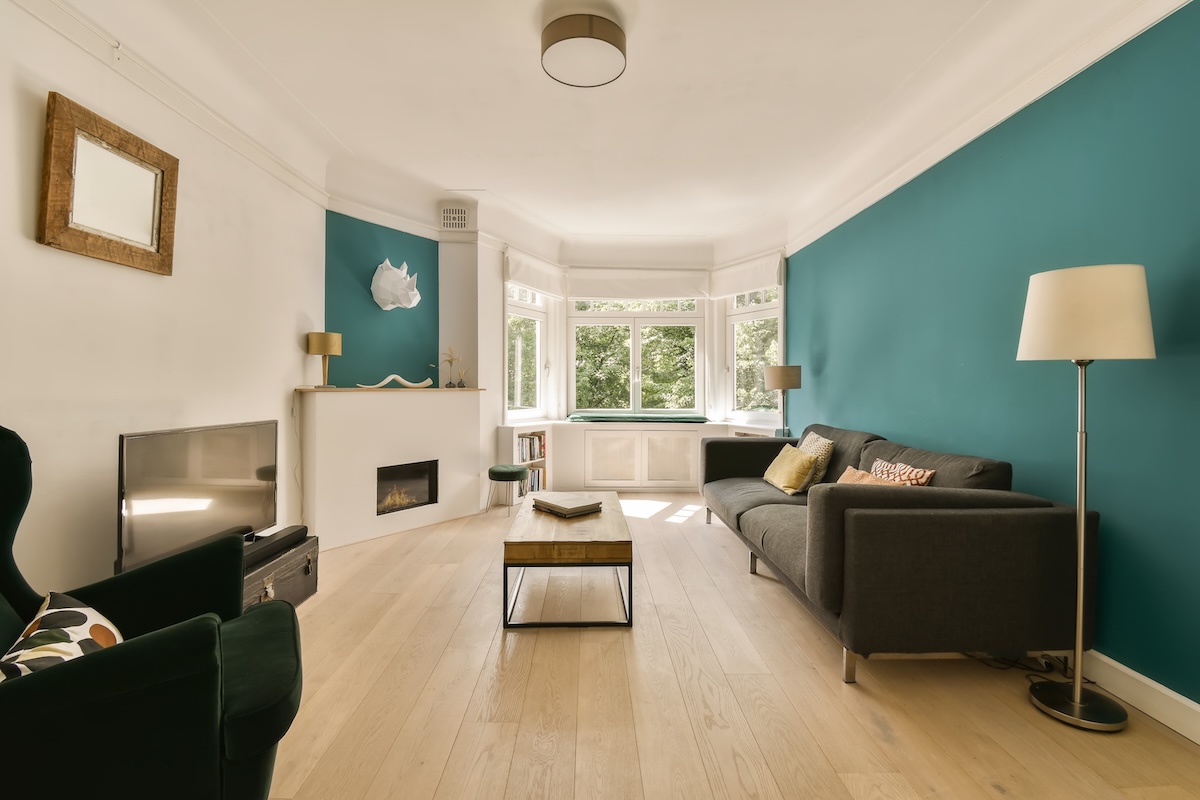
- Where the wall meets the ceiling, as a lighter alternative to crown
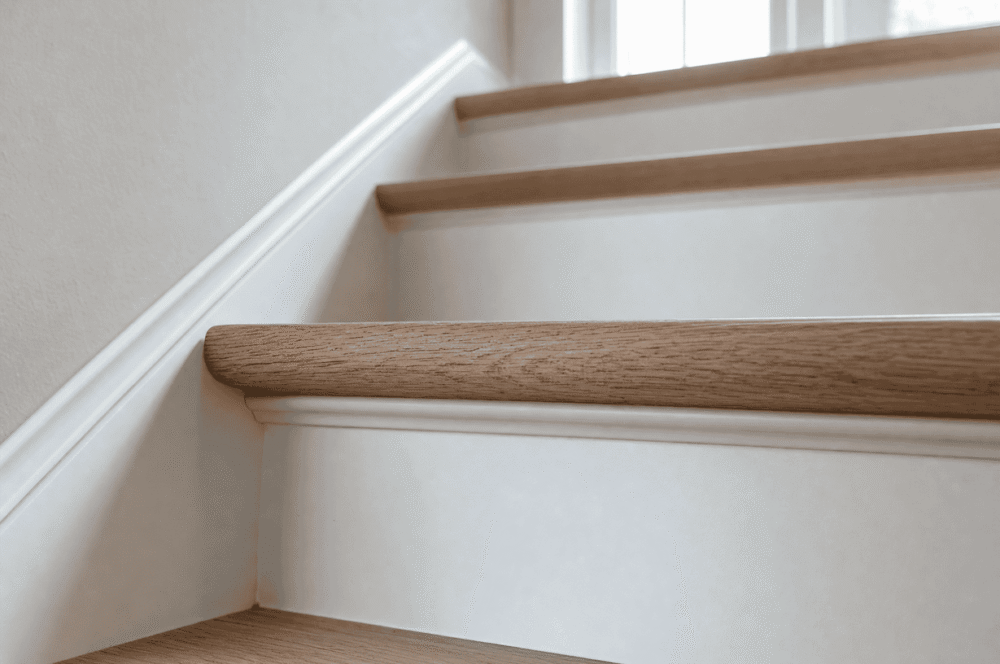
- Under stair treads, where the tread overhangs the riser
- At the top of kitchen cabinets, closing the gap between cabinet and ceiling
- Under upper cabinets, hiding under-cabinet lighting
- At cabinet toe kicks and along the base of built-ins
- Beneath a window stool, softening the transition to the apron
- Under countertop and bar overhangs
- As the top element of a built-up crown assembly
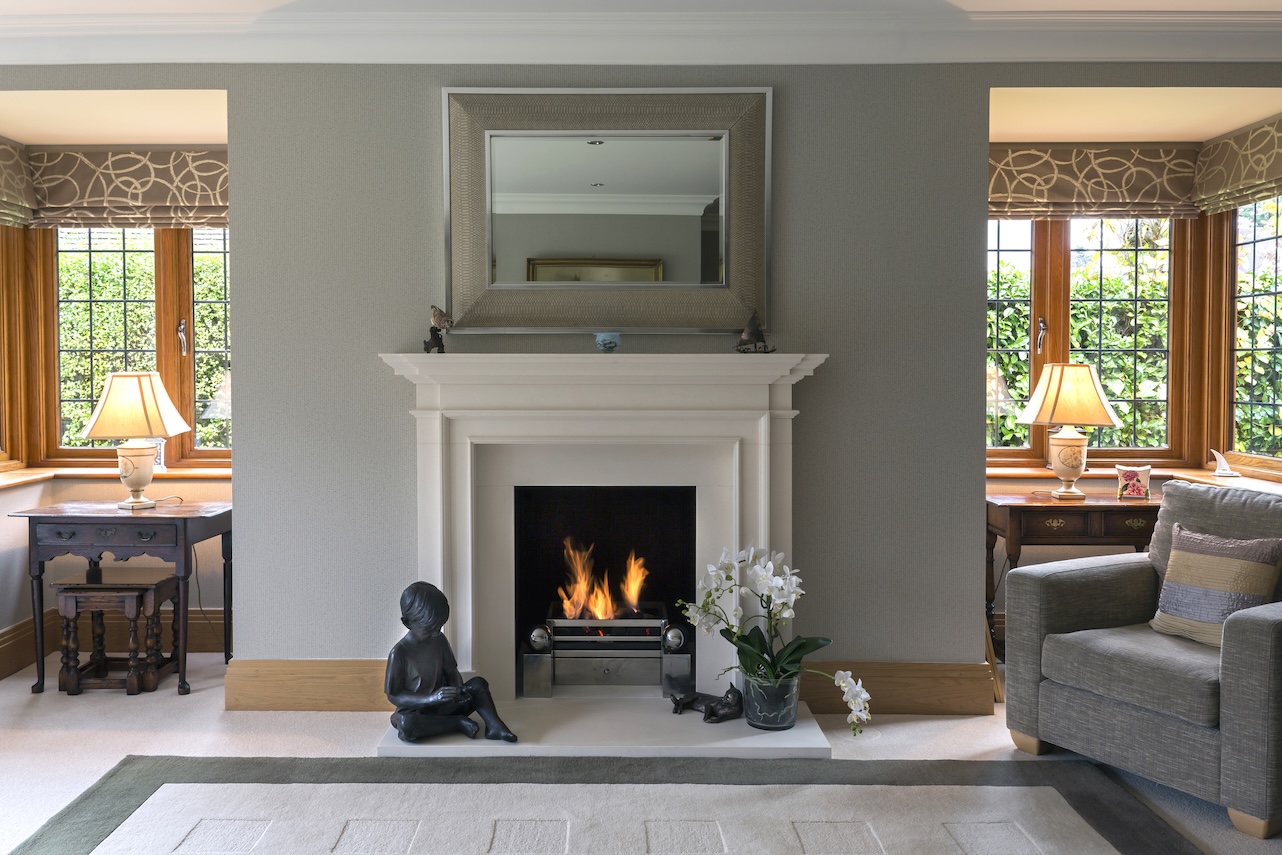
- Under mantel shelves and floating shelves
- As glass bead or stop in doors and cabinet frames
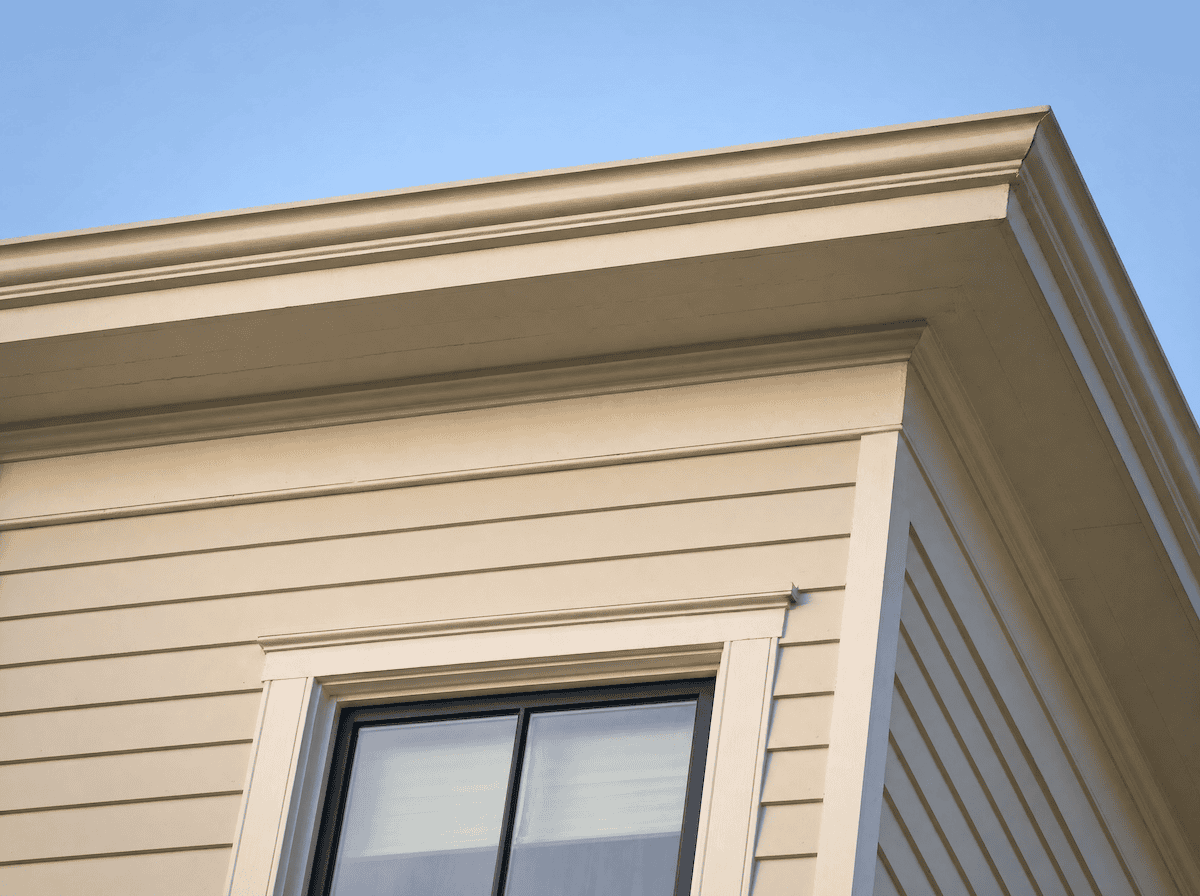
- Outside, under eaves and at the soffit-to-fascia joint
That last one matters more than people expect in the Bay Area. Exterior cove needs to be a species or product rated for outdoor exposure, which is why we stock it separately in Western Red Cedar rather than treating it as an interior profile used outdoors.
Cove on Ceilings: When It Beats Crown
Cove is the right ceiling choice more often than most homeowners assume.
Standard eight-foot ceilings are the clearest case. A four or five inch crown in an eight-foot room compresses the wall and draws the eye down. A two-inch cove defines the same line and leaves the room feeling its full height. If you are already working with trim ideas for low ceilings and small rooms, cove belongs on the shortlist.
Secondary spaces are the second case. Hallways, laundry rooms, bathrooms, closets, and bedrooms rarely justify the cost or the visual weight of full crown, but they still look unfinished without something at the ceiling line. Cove closes that gap affordably.
There is also a practical advantage. Older homes rarely have perfectly flat ceilings. A single curved profile produces one continuous shadow, so small waves in the ceiling plane are less obvious than they would be under a multi-step crown where every ridge catches light differently.
Cove at the Floor, on Stairs, and in Cabinetry
Away from the ceiling, cove does quieter work.
On stairs, cove sits in the angle where the tread overhangs the riser. It hides the joint, gives the stair a finished edge, and protects a spot that takes constant foot traffic. It is a small detail that separates a finished staircase from a framed one.
In cabinetry, cove closes the gap above wall cabinets and conceals under-cabinet lighting without a separate light rail. Cabinet makers reach for it because it forgives out-of-square walls better than a flat piece of stock.
At the floor, cove occasionally replaces base shoe or quarter round, though this is less common. If you are weighing floor trim options, our comparison of shoe moulding and quarter round covers that decision in more depth.
Choosing the Right Cove Size
Size is where most cove decisions go wrong, and the fix is straightforward.
Start with ceiling height:
- Eight-foot ceilings: roughly 2½ to 4 inches
- Nine-foot ceilings: roughly 2½ to 5½ inches
- Ten feet and above: 4 inches and up, or a built-up assembly
Then check it against the baseboard. Ceiling trim should read as lighter than the baseboard in the same room. If your baseboard is 5¼ inches and you install a 5-inch cove overhead, the room will feel top-heavy even if nobody can say why.
Finally, look at a real sample in the actual room. Profiles behave differently under different light, and a cove that looks generous in a showroom can disappear under a north-facing window. We keep samples on hand at all four showrooms for exactly this reason.
Sprung or Flat Back: Know Which You Are Buying
Cove is milled two ways, and the difference affects installation.
Sprung cove has relieved back edges so it sits at an angle, typically 45 degrees, spanning wall and ceiling with a hollow triangle behind it. It covers more visual ground for the same amount of material, but it needs blocking or careful nailing into framing because there is nothing solid directly behind it.
Flat-back cove sits flush against a single surface. It is easier to fasten and easier to cut, which makes it the better choice for cabinets, stairs, and anywhere you are working alone.
Confirm which one you are ordering before you cut. The two profiles can look nearly identical in a photograph and behave completely differently on a mitre saw.
Cope the Inside Corners
Wood moves. It takes on and gives up moisture with the seasons, and it changes dimension as it does. The USDA Forest Products Laboratory documents this behaviour in detail, and it is the reason a perfectly cut mitre in August can show a visible line by February.
A coped joint solves it. One piece runs into the corner square, and the second is cut to the profile of the first so it nests against the face. When the wood moves, a coped joint closes on itself rather than opening.
Outside corners still get mitred, since there is no way to cope them. Inside corners should be coped wherever the profile allows it.
Cove is one of the easier profiles to cope, because there is only one curve to follow. It is a reasonable first coping project for a homeowner who wants to do the work.

Wood, MDF, or Exterior Grade
Material choice follows the room.
- Paint-grade softwood and poplar: the default for painted interior cove. Takes primer and paint cleanly, cuts easily, holds a crisp edge.
- Hardwood: for stained or clear-finished work, and for cabinetry where the cove needs to match a species.
- MDF: dimensionally stable and economical, with a very smooth painted finish. Avoid it in bathrooms, laundry rooms, and anywhere it may meet standing water.
- Exterior grade: Western Red Cedar or a properly primed exterior product for eaves, soffits, and any covered outdoor application.
If you are weighing this more broadly, our comparison of MDF and wood trim goes through durability, finish quality, and long-term maintenance for each.
Common Mistakes with Cove Moulding
- Oversizing it. The most frequent error, and the hardest to undo once it is nailed and caulked.
- Using cove where the room genuinely calls for crown. A formal dining room with a ten-foot ceiling wants depth, not restraint.
- Mitring inside corners instead of coping them, then caulking the gap that appears six months later.
- Ignoring the baseboard relationship, which produces a room that feels subtly upside down.
- Taking interior cove outdoors. It will not survive a Bay Area winter under an eave.
- Buying sprung cove and installing it flat, or the reverse. Check the back of the profile before the first cut.
How We Help Customers Choose Cove at The Moulding Company
When someone comes to us for cove, we start with the room rather than the catalogue.
We ask about ceiling height, existing baseboard size, the architectural style of the house, and whether the cove is going on a ceiling, a stair, or a cabinet run. Those four answers narrow the field faster than any product filter.
We also check whether cove is genuinely the right profile. Sometimes a customer asks for cove and actually wants a small crown, or wants the look of a plaster coved ceiling that no moulding will reproduce. Saying so before an order is placed saves money and disappointment.
Across our four Bay Area showrooms, we keep cove samples in hand so customers can hold a profile against a photograph of their own room. That single step prevents more sizing mistakes than any chart.
Final Thoughts
Cove moulding earns its place through restraint. It defines a line, softens a corner, and finishes an edge without demanding attention, and it does it in more locations than almost any other profile in a millwork catalogue.
Get the size right, cope the inside corners, and match the material to the room, and cove will look intentional for as long as the house stands.
At The Moulding Company, we think the best trim decisions are the ones that still feel correct years later. Cove, chosen carefully, is one of the easiest ways to get there.
Frequently Asked Questions (FAQs)
Cove moulding is used wherever two surfaces meet at an inside angle. The most common applications are the wall-to-ceiling joint, under stair treads, at the top of kitchen cabinets, under shelving, and as part of a built-up crown assembly.
No. Cove has a single concave curve, while crown is a compound profile that combines several shapes. Both can be installed at the wall-to-ceiling joint, but cove is simpler, lighter, and generally less expensive.
Between 2½ and 4 inches works well on a standard eight-foot ceiling. Larger profiles tend to compress the room and make the ceiling feel lower than it is.
Only if it is milled from an exterior-rated material such as Western Red Cedar or supplied as a primed exterior product. Interior cove will fail quickly when exposed to weather.
Cope the inside corners and mitre the outside corners. Coped joints stay tight as the wood expands and contracts with seasonal humidity, while mitred inside corners tend to open over time.