Blog
How Trim Proportions Affect Room Balance and Ceiling Perception

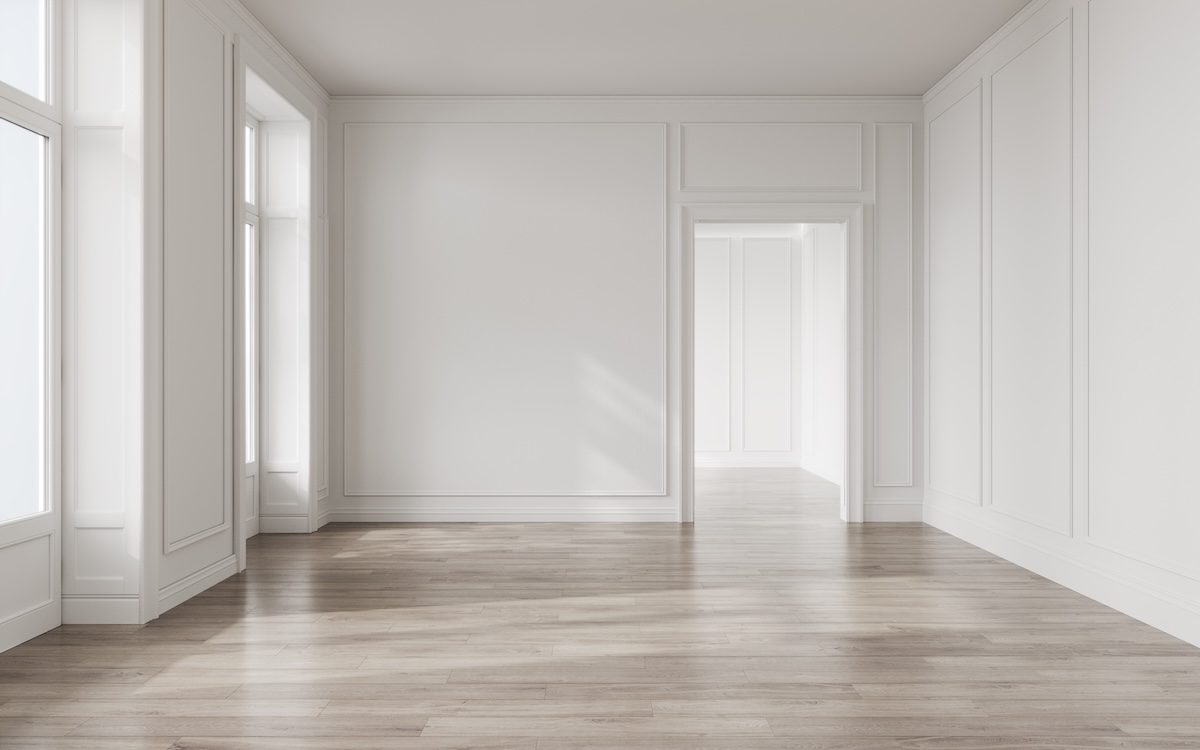
When homeowners think about interior trim, they often focus on style. They compare different profiles, materials, finishes, and architectural details. While those decisions are important, there is another factor that can have an even greater impact on how a room feels: proportion.
At The Moulding Company, we often explain that trim is not just decoration. It plays a major role in shaping how people perceive a space. The height of a baseboard, the width of a casing, or the size of crown moulding can influence whether a room feels taller, wider, more balanced, or even more luxurious.
This is why professional designers and architects spend so much time thinking about proportions. A beautiful trim profile installed at the wrong scale can feel awkward. A simple profile installed with the right proportions can completely transform a room.
Understanding how trim proportions affect room balance and ceiling perception can help homeowners make smarter design decisions and avoid costly mistakes.
Why Proportion Matters More Than Style
Many homeowners assume that expensive or decorative trim automatically creates a better-looking room. In reality, proportion is often far more important than the profile itself.
Think about a room with ten-foot ceilings and very small baseboards. Even if the profile is attractive, the trim may look undersized and disconnected from the space.
Now imagine a room with standard eight-foot ceilings and oversized crown moulding. Instead of feeling elegant, the room may feel crowded or visually heavy.
Trim works best when it relates to the scale of the room.
This relationship between room size and trim size is what creates balance.
When proportions are correct, the trim feels natural. When they are not, something feels off, even if homeowners cannot immediately identify the reason.
How Baseboard Height Changes Room Perception
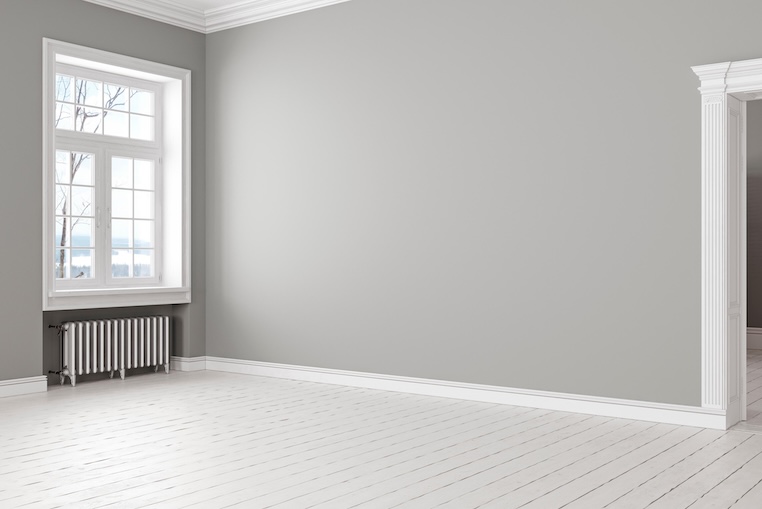
Baseboards are often the first place where proportion becomes noticeable.
Because they run continuously throughout a room, they establish a visual foundation that influences how the walls are perceived.
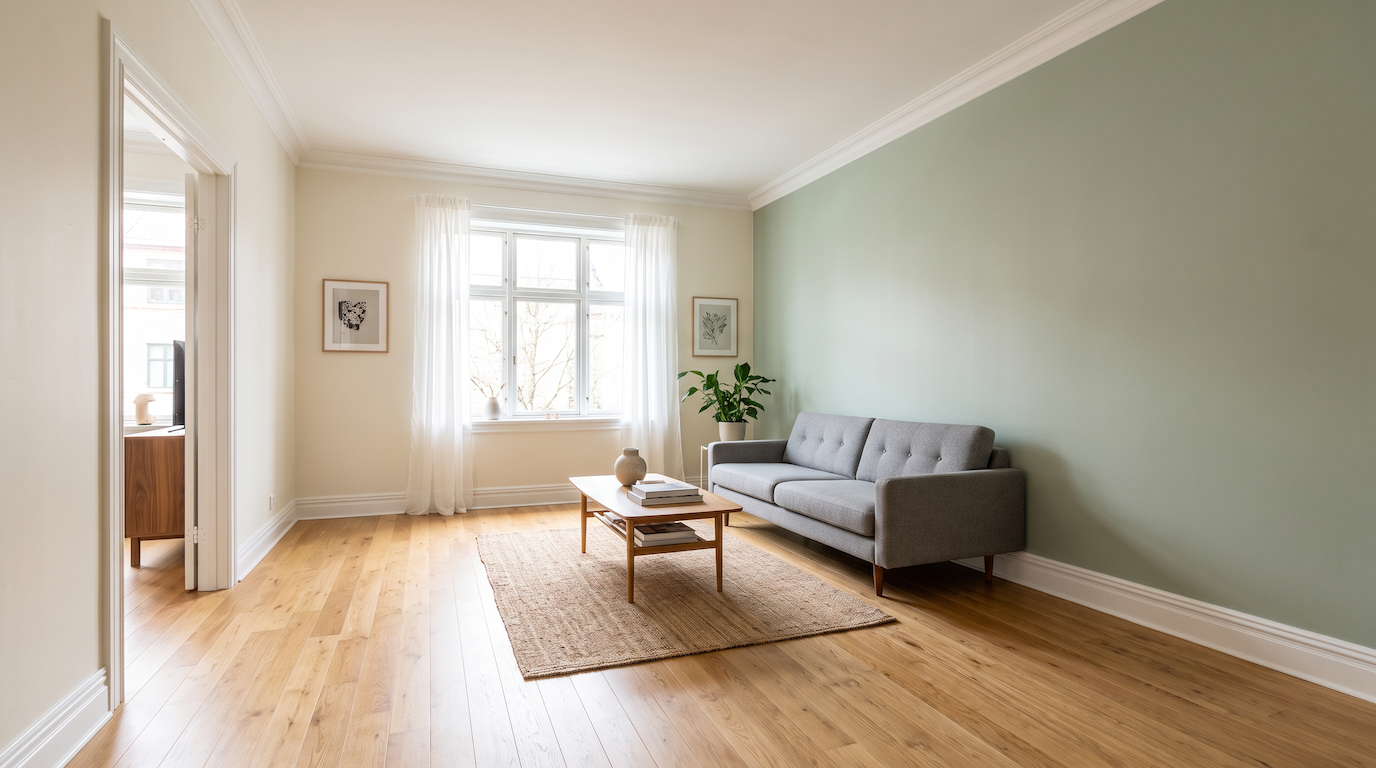
Larger baseboard moulding styles can make a room feel more substantial and finished. They provide stronger visual grounding and help support taller walls.
Smaller baseboards can work beautifully in compact spaces, but they may feel inadequate in rooms with higher ceilings or larger dimensions.
As a general principle, taller ceilings often benefit from taller baseboards because they help maintain visual balance between the floor and ceiling.
The goal is not necessarily to choose the largest baseboard available. The goal is to choose one that feels appropriate for the scale of the room.
The Relationship Between Trim and Ceiling Height
Ceiling height is one of the most important factors when selecting trim proportions.
In rooms with standard eight-foot ceilings, overly large moulding can make the ceiling feel lower than it actually is. This happens because the trim occupies more visual space, drawing attention downward.
Conversely, trim that is too small can make a room feel unfinished and lacking architectural presence.
Many homeowners find our article How Tall Should Interior Trim Be? helpful because it explores how trim dimensions relate to different room sizes and ceiling heights.
The right proportion creates harmony between vertical and horizontal elements.
Crown Moulding and Ceiling Perception
Few trim elements influence ceiling perception more than crown moulding.
Well-proportioned crown moulding styles can make ceilings feel taller and more refined. Poorly sized crown moulding can have the opposite effect.
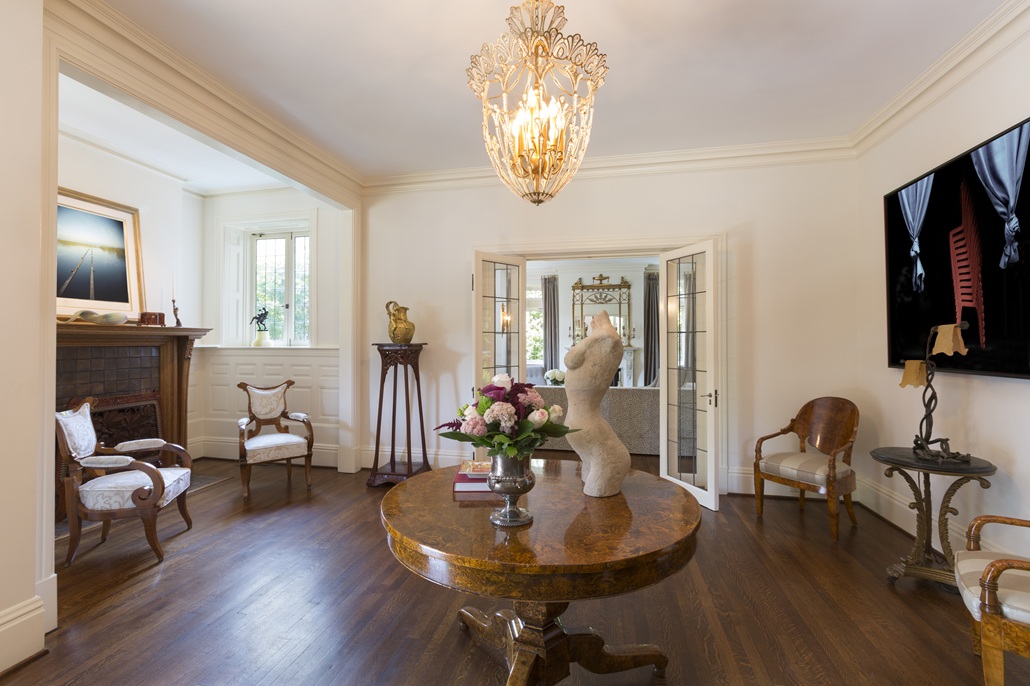
In taller rooms, larger crown profiles often help visually connect the walls and ceiling. Without sufficient scale, crown moulding may appear insignificant compared to the size of the room.
In smaller spaces, simpler crown moulding usually works best because it provides architectural detail without overwhelming the ceiling line.
One of the biggest misconceptions is that larger crown moulding automatically looks more luxurious. In reality, luxury comes from proportion, not size alone.
A properly scaled crown profile will almost always outperform an oversized profile that dominates the room.
How Casings Influence Visual Weight
Door and window trim also contribute significantly to room balance.
Because openings interrupt the wall surface, interior door and window casings help define those transitions and establish visual rhythm.
Thin casings in large rooms can make doors and windows feel disconnected from the architecture. Wider casings often create a stronger sense of structure and permanence.
The most successful interiors typically maintain proportional relationships between baseboards, casings, and crown moulding.
When one element feels dramatically larger or smaller than the others, visual balance can suffer.
Creating Balance From Floor to Ceiling
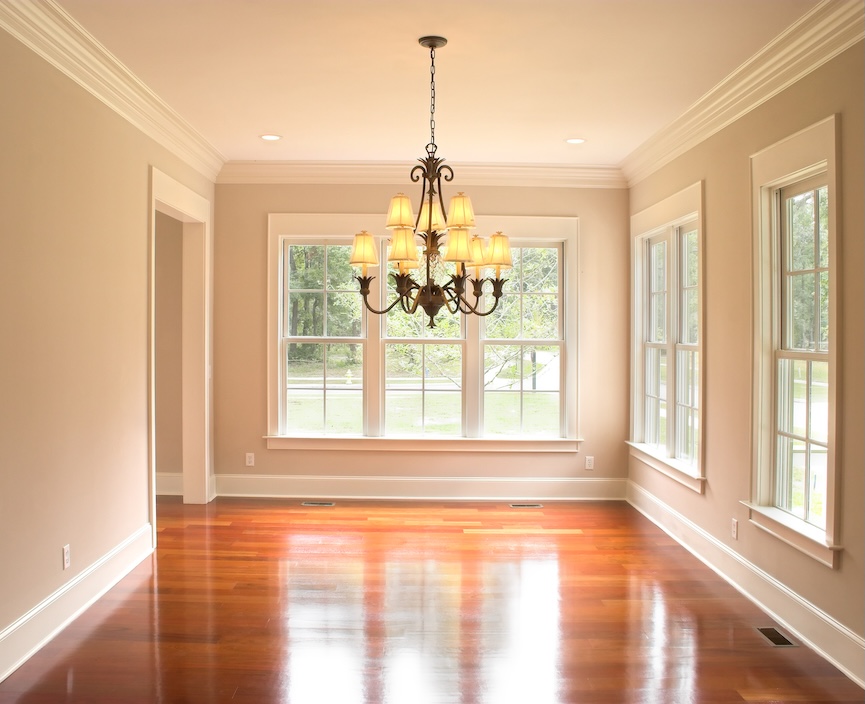
Professional designers often think of trim as a system rather than a collection of individual pieces.
Baseboards anchor the room.
Casings define openings.
Crown moulding completes the ceiling line.
When these elements work together proportionally, the room feels balanced from floor to ceiling.
This is one reason custom homes often feel more refined. The trim elements are selected as part of a coordinated architectural plan rather than independently.
If you are considering a full interior upgrade, our article How to Choose Trim Profiles That Match Your Home’s Architecture can help ensure your moulding choices remain cohesive throughout the house.
How Trim Can Make Ceilings Feel Taller
Many homeowners want their rooms to feel larger and more open without making structural changes.
Trim can help.
Well-chosen moulding creates visual cues that influence perception.
For example:
- Taller baseboards can strengthen vertical proportions.
- Properly scaled crown moulding can create a smoother transition to the ceiling.
- Consistent trim throughout the home helps maintain visual flow.
The result is often a room that feels more spacious and balanced, even though the physical dimensions have not changed.
This is one reason trim upgrades can deliver such a strong visual return on investment.
Avoiding Common Proportion Mistakes
One of the most common mistakes is choosing trim based solely on appearance without considering room size.
Homeowners often fall into one of two extremes:
Going Too Small
Builder-grade trim may feel undersized in larger rooms, making walls appear unfinished and reducing architectural impact.
Going Too Large
Oversized moulding can overwhelm smaller spaces and make ceilings feel lower.
Mixing Inconsistent Scales
Trim elements should relate to one another. Large baseboards paired with very small casings or oversized crown moulding combined with tiny baseboards can create imbalance.
Many of these issues are discussed in Common Trim Mistakes Homeowners Make because proportion is one of the most overlooked aspects of trim selection.
Why High-End Homes Focus on Proportion
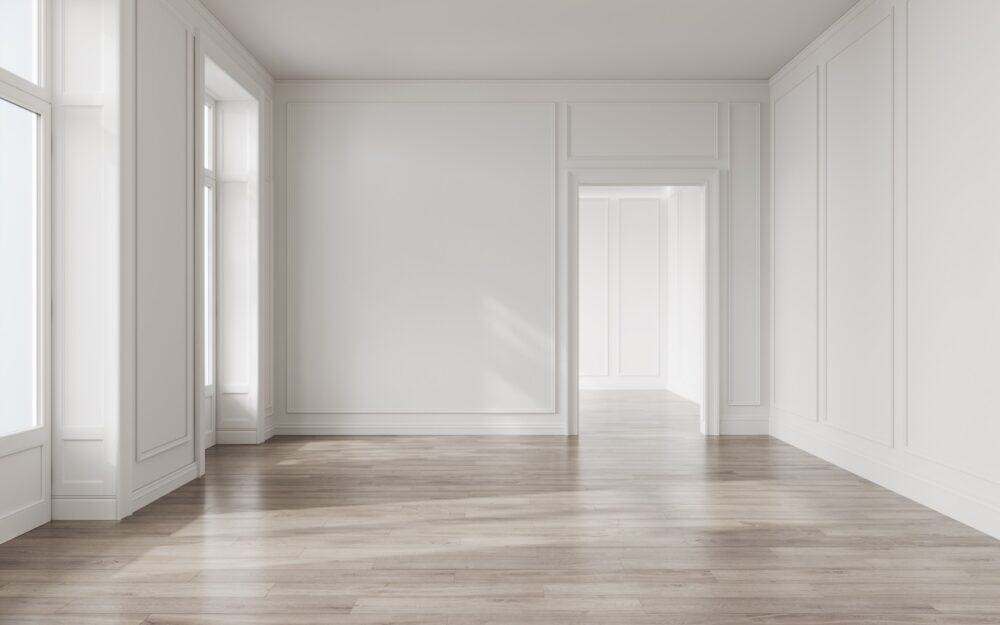
One of the reasons luxury homes feel different is their attention to scale.
Homeowners often assume expensive interiors rely on elaborate trim profiles. In reality, many high-end homes use relatively simple moulding.
What makes them feel luxurious is that every element is proportioned correctly.
This principle is explored further in What Makes High-End Trim Look Expensive? where proportion consistently emerges as one of the defining characteristics of premium interiors.
Luxury design is often less about decoration and more about balance.
Renovations vs New Construction
Trim proportions matter whether you are building a new home or updating an existing one.
In a renovation, homeowners may need to work around existing ceiling heights, door openings, and architectural constraints.
In new construction, there is more freedom to coordinate trim proportions from the beginning.
Our guide on How to Choose Trim When Renovating vs Building a New Home explains how these decisions differ and why planning early often leads to better results.
How We Approach Trim Proportions at The Moulding Company
At The Moulding Company, we help homeowners look beyond individual profiles and focus on how trim interacts with the room as a whole.
We consider:
- Ceiling height
- Room dimensions
- Architectural style
- Existing features
- Long-term design goals
This approach helps ensure moulding feels balanced, intentional, and appropriate for the space.
Whether the project involves a single room or an entire home, proportion remains one of the most important factors in achieving a successful result.
Final Thoughts
Trim does far more than decorate a room. It influences how people perceive space, height, balance, and architectural quality.
Baseboards establish the foundation. Casings create structure. Crown moulding shapes the ceiling line. Together, their proportions help determine whether a room feels harmonious or disconnected.
At The Moulding Company, we believe great trim design starts with proportion. When moulding is properly scaled to the room, everything else feels more intentional. The result is a space that not only looks better but feels better as well.
Frequently Asked Questions (FAQs)
Trim proportions influence how balanced a room feels and can affect how people perceive ceiling height, room size, and architectural quality.
Generally, yes. Taller ceilings often benefit from larger baseboards and crown moulding to maintain visual balance.
Properly proportioned trim can create the perception of a larger, more open space by improving visual flow and balance.
Oversized trim can overwhelm the space and sometimes make ceilings feel lower than they actually are.
Luxury homes often use larger trim because it better suits taller ceilings and larger rooms, creating stronger architectural presence and balance.