Blog
What Trim Should You Install First? A Step-by-Step Order Guide


At The Moulding Company, one of the most common installation questions we hear is surprisingly simple: what trim should you install first?
It sounds like a small detail, but the installation order of trim has a huge impact on how clean, efficient, and professional the final result looks. Installing trim in the wrong sequence can create unnecessary gaps, awkward transitions, extra patchwork, and wasted labor. Installing it in the right order makes everything fit together more naturally.
This is especially important during remodels where flooring, doors, cabinetry, and wall finishes are all happening around the same time. Even experienced homeowners sometimes assume trim can be installed in any order, but professional-looking interiors usually follow a very intentional sequence.
The good news is that the process is more logical than complicated. Once you understand how trim elements relate to one another, the installation order starts to make sense.
Why Installation Order Matters
Trim is connected. Baseboards meet casings. Crown moulding interacts with ceilings and cabinets. Wall trim depends on spacing and proportion. Every piece affects the next.
If trim is installed out of sequence, problems tend to show up quickly:
- Gaps between flooring and baseboards
- Misaligned casing reveals
- Crown moulding that conflicts with cabinets or ceilings
- Extra caulking and patchwork
- More difficult painting and finishing
A proper installation order avoids these issues and helps the entire home feel cleaner and more cohesive.
Trim is not just decoration. It is structure for the way we experience a room.
Before Installing Any Trim

Before trim installation begins, several things should already be completed.
Walls should be:
- Drywalled and finished
- Primed or painted if pre-painting is part of the process
- Fully dry and stable
Flooring decisions should also be finalized before installing most trim. Flooring height directly affects baseboards and transitions, so changing flooring later often creates unnecessary complications.
Doors should ideally already be installed as well, since casing dimensions and reveals depend on final door placement.
Trim works best when it responds to the finished structure of the room rather than trying to predict it.
The Recommended Trim Installation Order
1. Install Door and Window Casings First
In most interiors, interior door and window casings should be installed before baseboards.
There are a few important reasons for this.
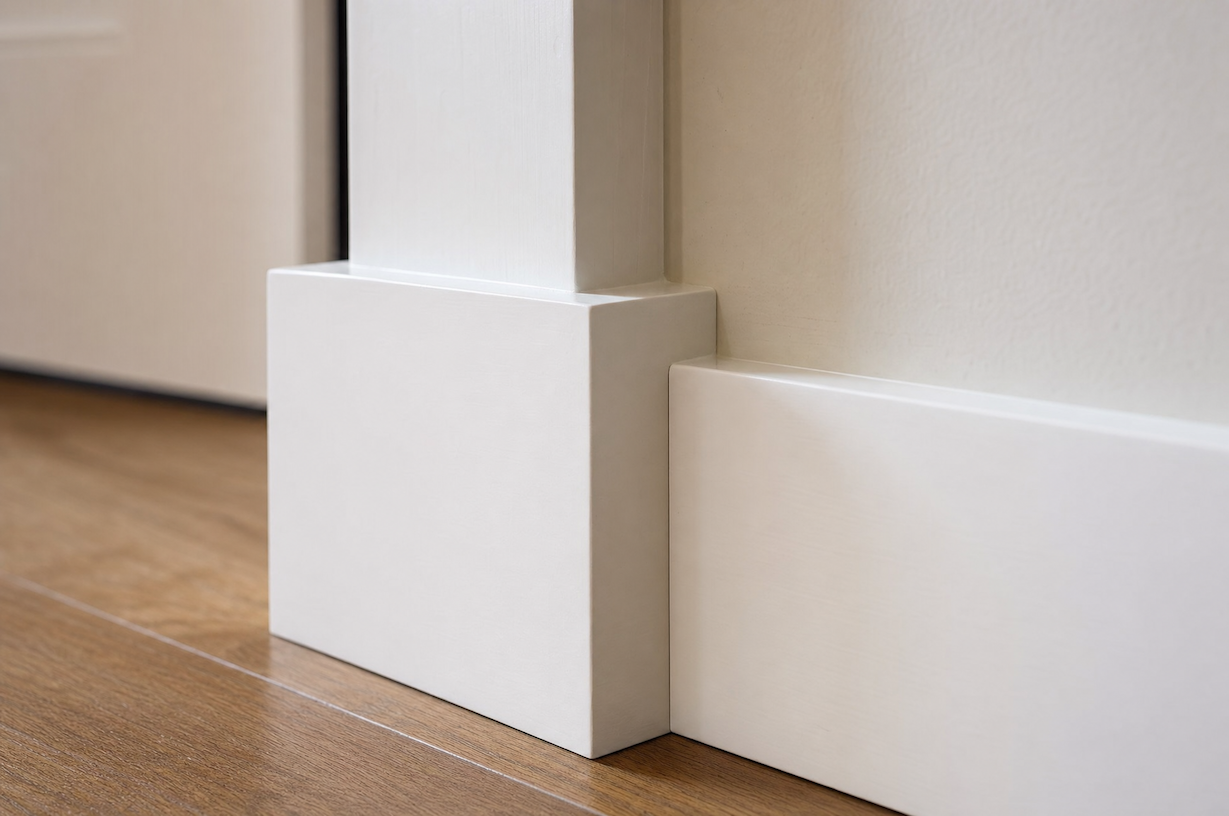
First, casings establish the vertical trim lines of the room. Baseboards typically terminate into casings, which means casing placement determines where those transitions happen.
Second, installing casings first allows baseboards to fit tightly against them later. This creates cleaner joints and more professional transitions.
Casings also help establish spacing consistency throughout the home. Once they are installed, the remaining trim can align around them more naturally.
This is especially important in hallways and open layouts where multiple openings are visible at once.
2. Install Crown Moulding Before Baseboards
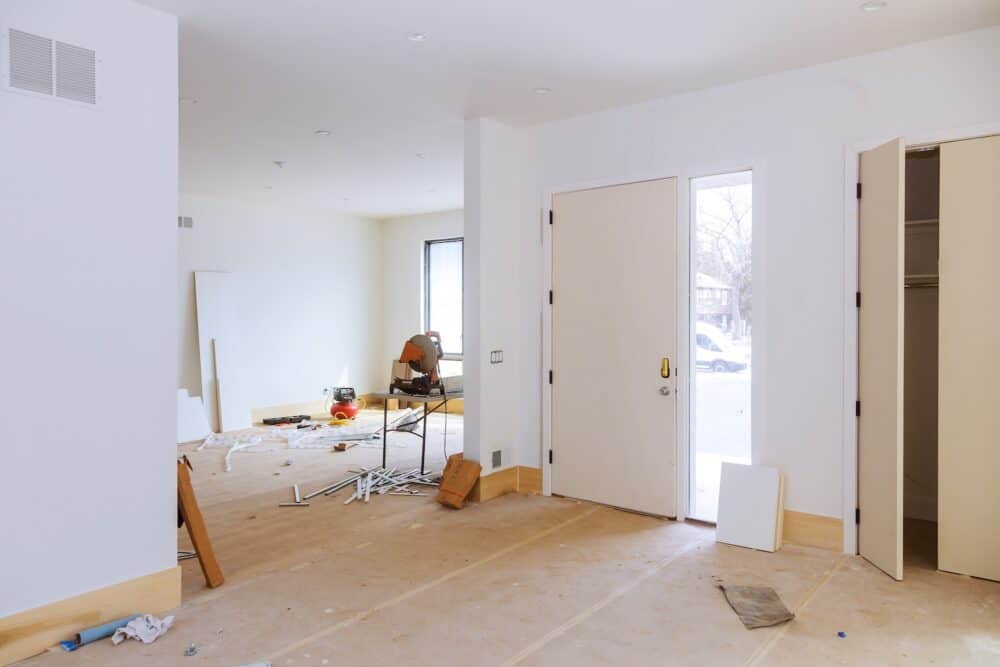
Next comes crown moulding.
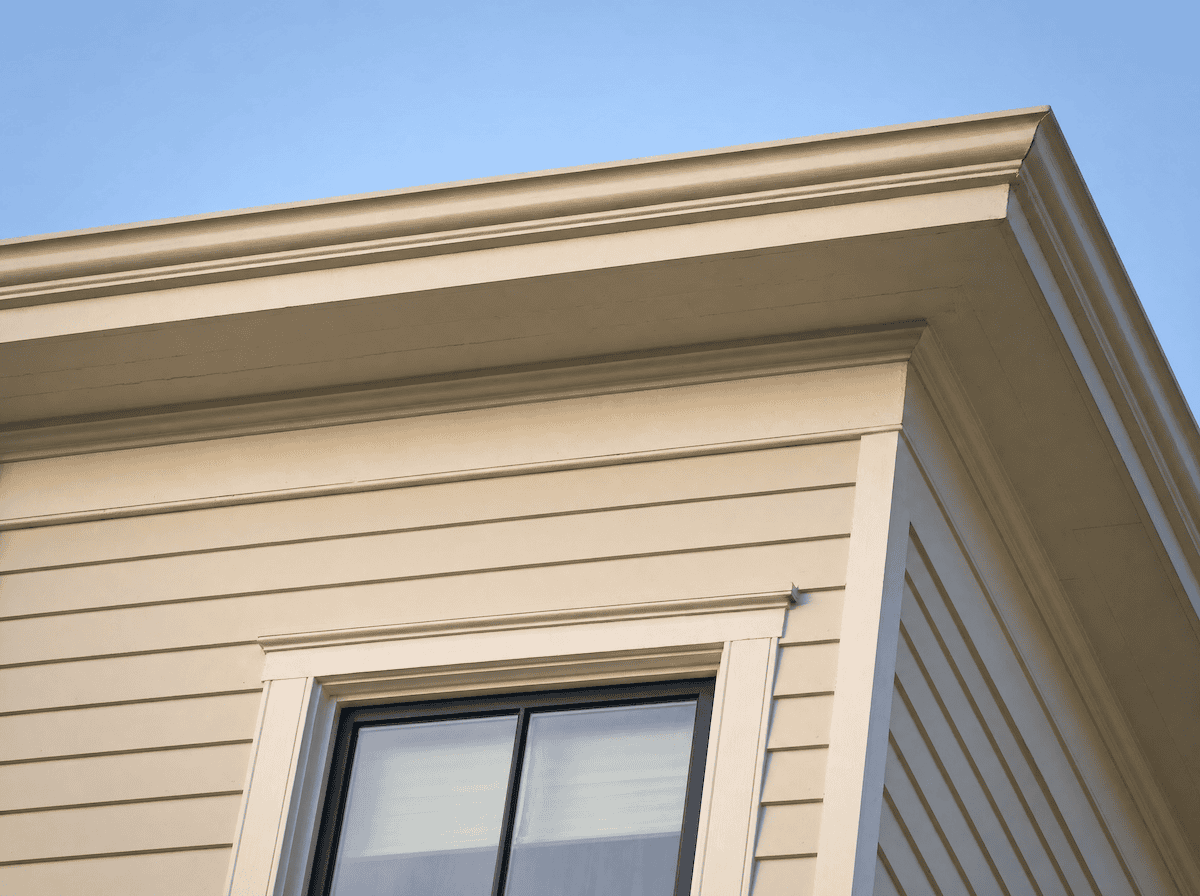
Installing crown moulding styles before baseboards makes the process cleaner because upper trim work is more likely to create dust, ladder movement, and accidental wall contact. Finishing crown first reduces the risk of damaging freshly installed lower trim.
Crown moulding also establishes the upper visual boundary of the room. Once it is in place, the proportions of the room feel complete, making it easier to judge the balance of the remaining trim.
If cabinets are involved, especially in kitchens, crown moulding above cabinetry should also be finalized during this stage.
In homes without crown moulding, you simply move to the next step.
Trim is not just decoration. It is structure for the way we experience a room.
3. Install Wall Trim or Panel Moulding
If the home includes wall panels, picture frame moulding, or decorative wall moulding, these elements are usually installed after crown and casings but before baseboards.
The reason is simple: wall layouts depend on established vertical and upper boundaries.
Once crown and casings are installed, panel layouts can be centered and spaced more accurately. This creates cleaner symmetry and prevents awkward spacing conflicts.
Wall trim often becomes the visual bridge between crown moulding and baseboards, so it works best when the surrounding trim is already in place.
4. Install Baseboards Last
In most projects, baseboards should be installed after the other primary trim elements are complete.
There are several reasons why this order works best.
Baseboards interact directly with flooring, which means they should respond to the final floor height. Installing them too early often creates gaps or uneven transitions later.
Baseboards also terminate into casings, so those need to be established first for proper alignment.
Installing baseboard moulding styles last also reduces the chance of damaging them during other installation work. Lower trim is more vulnerable to tools, ladders, and foot traffic, so keeping it until the end helps preserve cleaner finishes.
5. Install Shoe Moulding or Quarter Round (If Needed)
If shoe moulding or quarter round is being used, it should typically be installed after baseboards.
These pieces act as finishing trim that helps cover small flooring gaps or uneven transitions.
Using shoe moulding for baseboards can be especially helpful during remodels where flooring changes create slight inconsistencies along the wall edge.
Because shoe moulding depends on the final baseboard position, it should always come afterward.
Painting and Finishing Considerations

One of the biggest questions homeowners ask is whether trim should be painted before or after installation.
The answer depends on the project, but many professionals use a hybrid approach:
- Prime or pre-paint trim before installation
- Install and fill nail holes
- Caulk joints and seams
- Apply final paint coat afterward
This produces cleaner results while reducing visible touch-ups.
For stained trim, finishing is often done before installation with final adjustments afterward as needed.
Many homeowners compare painted vs stained trim when planning installation because the finish affects not only appearance but also workflow.
Trim is not just decoration. It is structure for the way we experience a room.
How Flooring Changes the Installation Process
Flooring type can slightly affect installation order.
For example:
- Hardwood and luxury vinyl flooring are usually installed before baseboards
- Carpet may sometimes be installed after baseboards depending on the project
- Tile installations may require careful sequencing around casings and transitions
Regardless of flooring type, final floor height should always be known before baseboards are installed.
Common Installation Mistakes to Avoid
We regularly see a few avoidable problems.
One is installing baseboards before flooring is finalized, which often creates visible gaps later.
Another is installing trim before humidity levels stabilize. Wood movement can affect joints and alignment if materials have not acclimated properly.
Rushing transitions between baseboards and casings is another common issue. These small details are highly visible and strongly affect how professional the room feels.
Finally, inconsistent reveal spacing around casings can quietly undermine the entire installation.
Good trim work is often about precision more than speed.
How We Approach Installation at The Moulding Company
At The Moulding Company, we encourage customers to think of trim installation as a sequence rather than isolated tasks. Every piece influences the next, and planning the order properly helps avoid unnecessary adjustments later.
Whether the project is a full remodel or a single-room update, understanding installation order leads to cleaner results and better long-term performance.
Trim is not just decoration. It is structure for the way we experience a room.
Final Thoughts
So, what trim should you install first?
In most cases, start with casings, then move to crown moulding, wall trim, baseboards, and finally shoe moulding if needed. This order creates cleaner transitions, protects finished trim, and allows every element to fit together properly.
Trim installation is not just about attaching moulding to walls. It is about building layers in the right sequence so the room feels complete and cohesive.
At The Moulding Company, we believe great trim work starts long before the final nail goes in. It starts with understanding how every piece works together.
Frequently Asked Questions (FAQs)
Casings should usually be installed first because baseboards terminate into them and need proper alignment.
Yes. Crown moulding is typically installed before baseboards to avoid damaging lower trim during upper installation work.
In most cases, yes. Final flooring height should be established before installing baseboards and transitions.
Shoe moulding or quarter round should be installed after baseboards because it acts as finishing trim along the floor edge.
Many professionals pre-paint trim before installation and apply a final coat afterward for cleaner results.