Blog
How to Choose Trim Profiles That Match Your Home’s Architecture

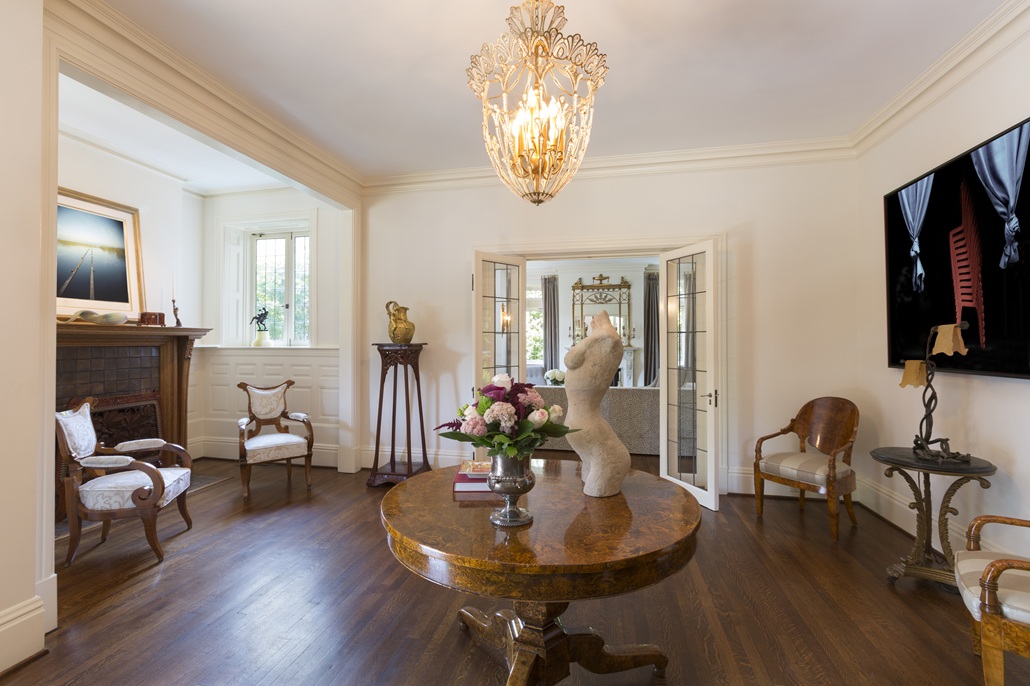
At The Moulding Company, one of the most important things we help homeowners understand is that trim is not just about preference. It is about context. The same baseboard or crown moulding profile that looks perfect in one home can feel completely out of place in another.
That is because trim is closely tied to architecture. It reflects the style, proportions, and character of the home itself. When trim profiles match the architecture, everything feels intentional. When they do not, even high-quality materials can feel mismatched.
Choosing the right trim profile starts with understanding the architectural language of your home and making sure every element supports it.
Trim is not just decoration. It is structure for the way we experience a room.
Why Architecture Should Guide Trim Choices
Every home has an architectural identity, even if it is subtle. Some homes lean modern and minimal. Others feel traditional, detailed, or craftsman-inspired. Trim is one of the clearest ways that identity is expressed.
When trim aligns with architecture, it creates consistency. Walls, ceilings, doors, and transitions all feel connected. When trim conflicts with the architecture, the home can feel visually confused.
This does not mean you cannot update or evolve your space. It simply means that trim should support the direction you are going, not fight against it.
Understanding Profile Language
Trim profiles communicate style through shape.
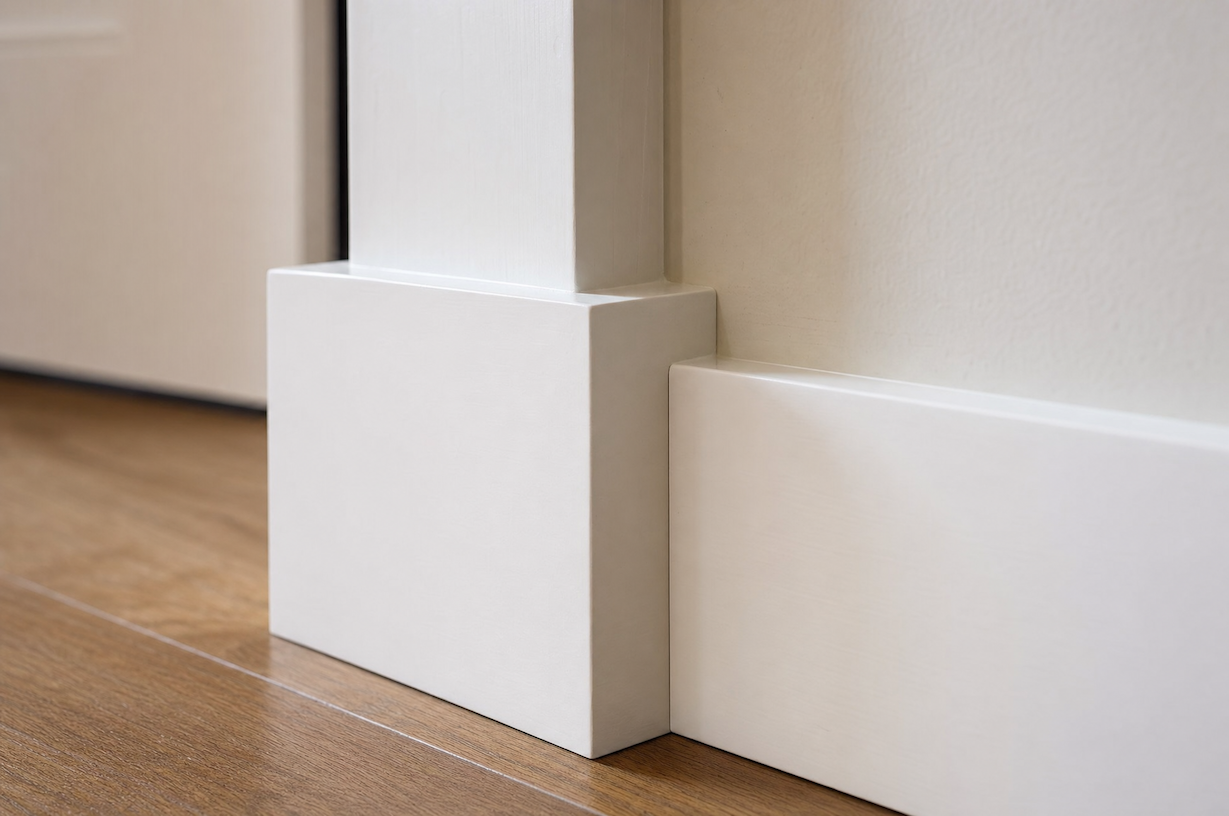
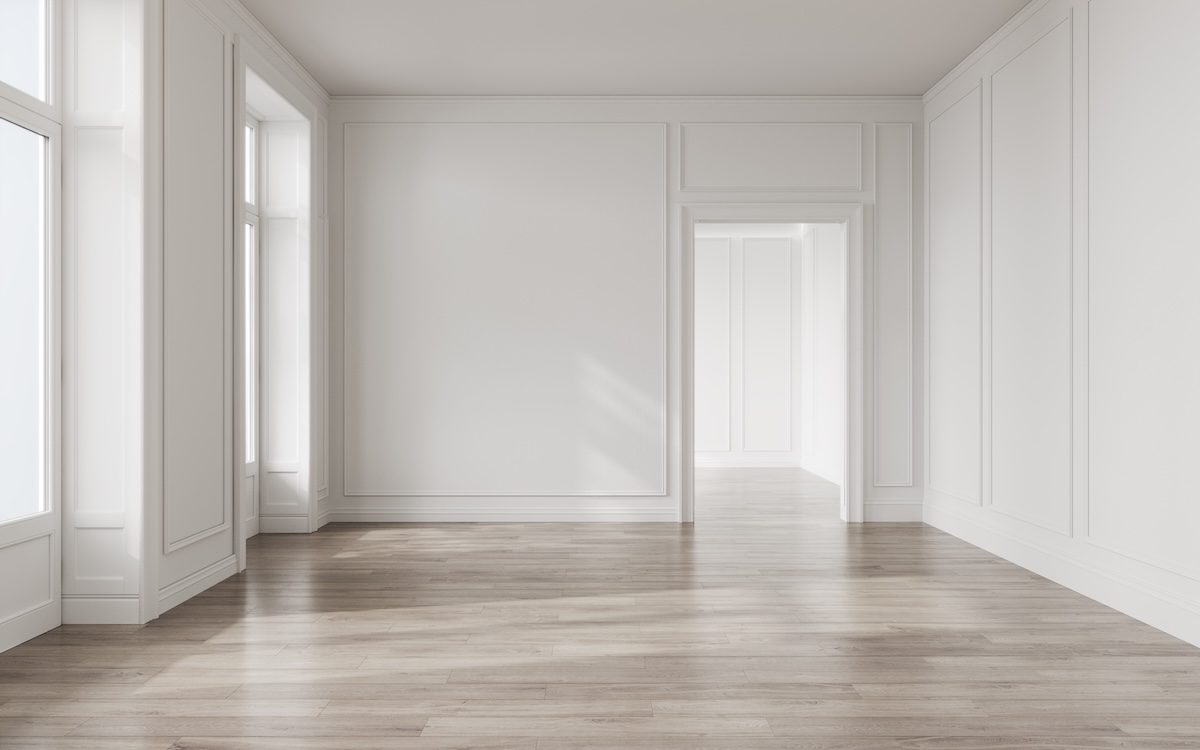
Flat profiles with sharp edges feel clean and modern. Stepped profiles add subtle structure and work well in transitional spaces. Curved and more detailed profiles bring a sense of tradition and craftsmanship.
These differences may seem small, but they have a strong impact once repeated throughout a home. Baseboards, casings, and crown moulding all carry that same visual language.
Choosing consistent baseboard moulding styles that align with the home’s architecture helps create a solid foundation for the rest of the trim.
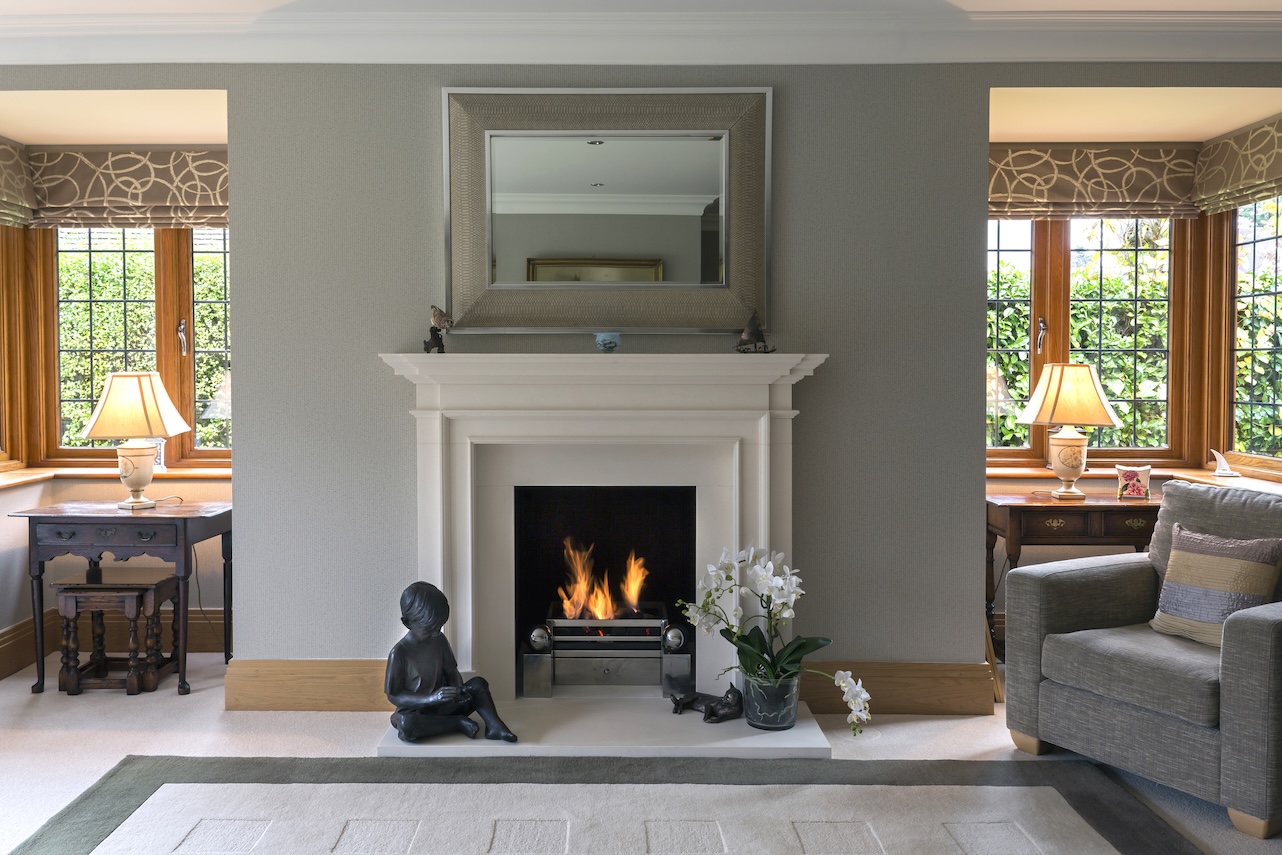
Modern and Contemporary Homes

Modern homes rely on simplicity and restraint. The architecture often features clean lines, open spaces, and minimal ornamentation.
Trim in these homes should follow the same principles. Flat or very lightly detailed profiles work best because they support the architecture without competing with it.
Casings are usually clean and minimal, often with sharp edges and little to no decorative detail. Using streamlined interior door and window casings keeps openings aligned with the overall design.
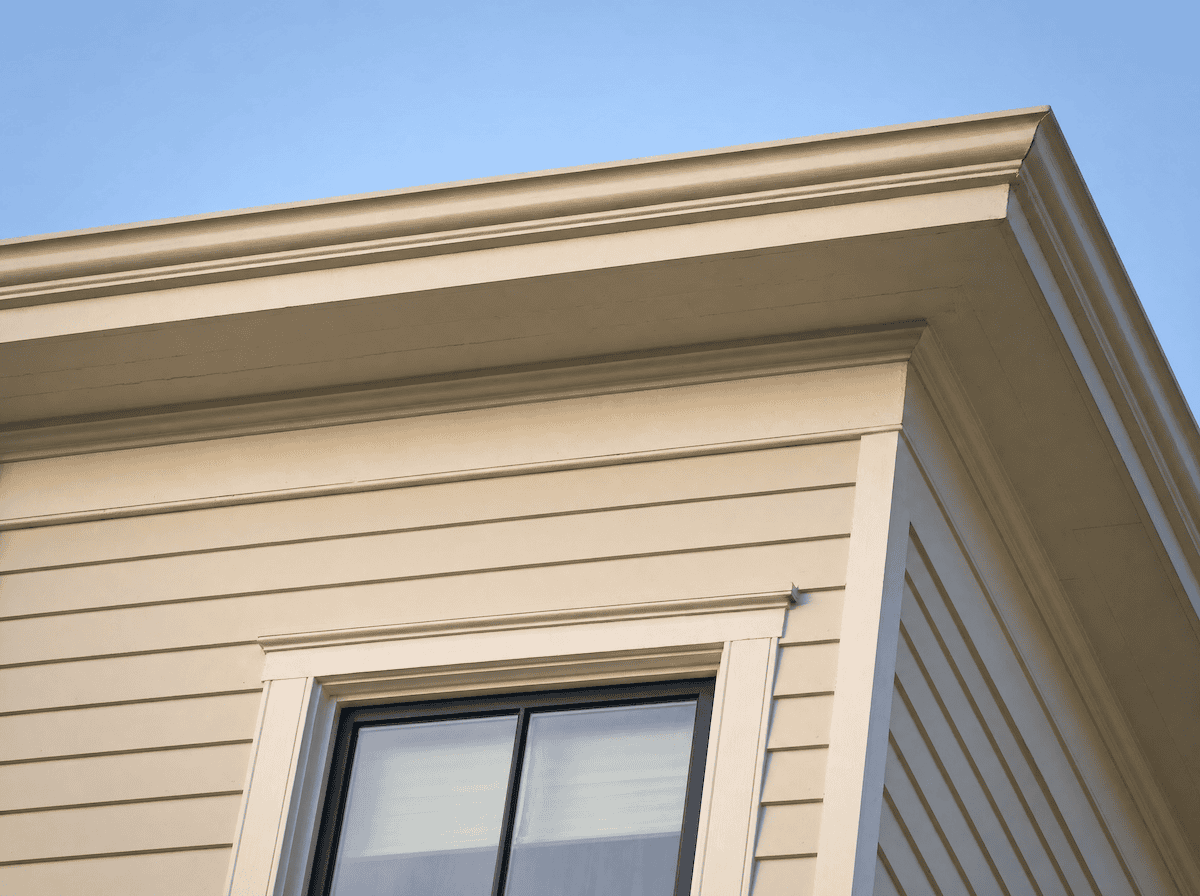
Crown moulding is often reduced or eliminated in modern homes. When it is used, it tends to be subtle and understated.
The goal is clarity, not decoration.
Traditional Homes

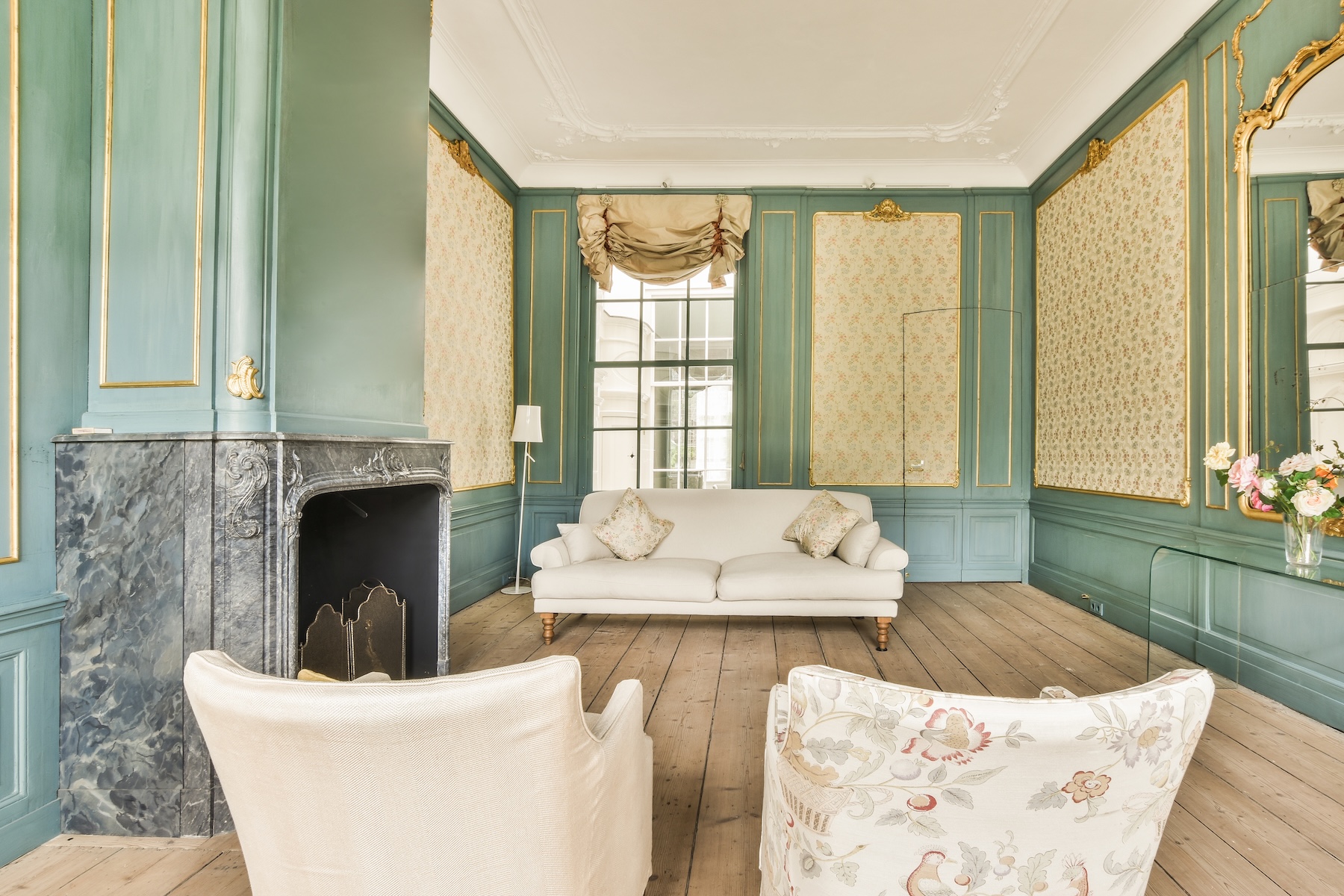
Traditional homes are built around detail and proportion. These homes often include layered elements, curved lines, and more visible architectural features.
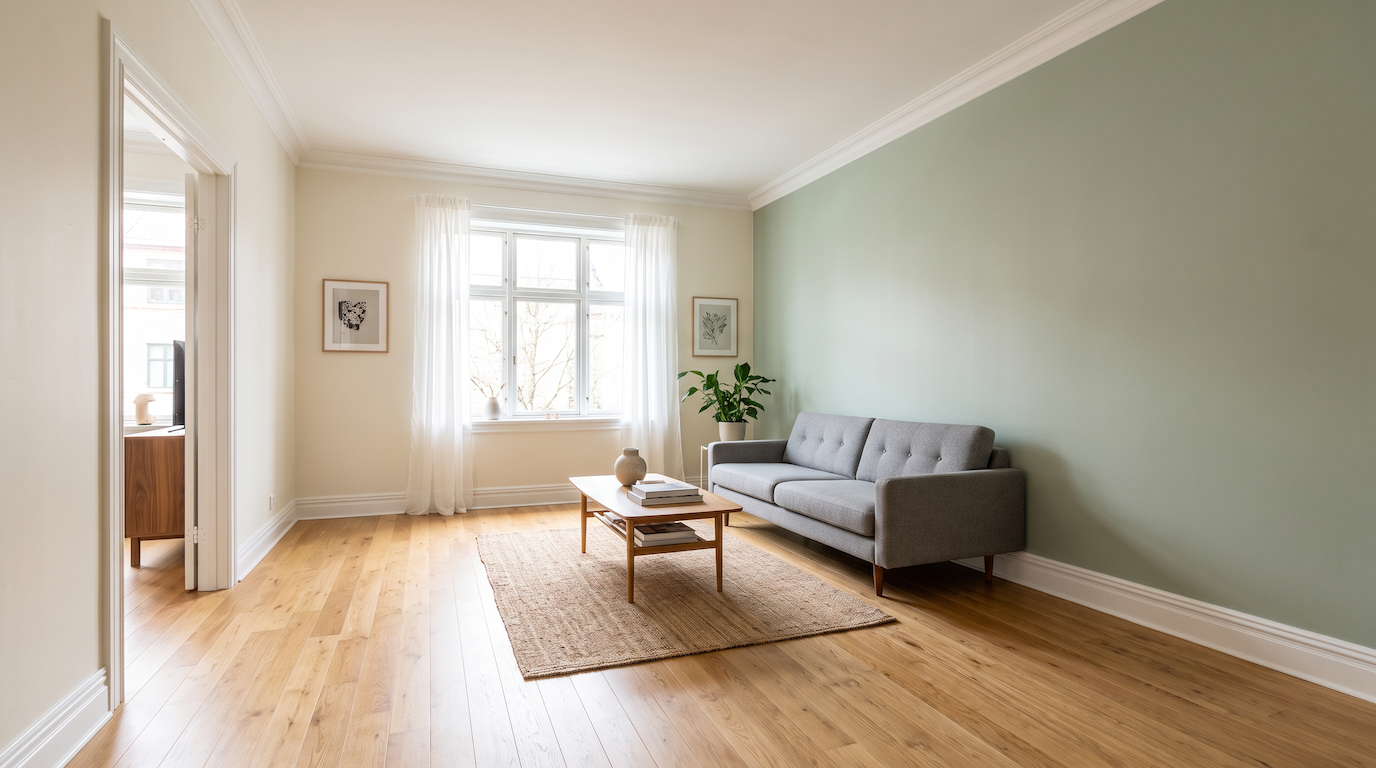
Trim profiles in traditional spaces tend to be more decorative. Baseboards may include multiple steps or curves. Casings often have added detail or depth. Crown moulding plays a more prominent role in defining the ceiling line.
Selecting appropriate crown moulding styles helps reinforce the elegance and structure that traditional homes are known for.
In these spaces, trim is not just functional. It is part of the design statement.
Craftsman and Transitional Homes
Craftsman homes sit somewhere between modern simplicity and traditional detail. They emphasize structure, clean lines, and solid proportions.
Trim in craftsman homes is typically wider and more substantial, but not overly decorative. Profiles are often flat or slightly stepped, with an emphasis on strong horizontal and vertical lines.
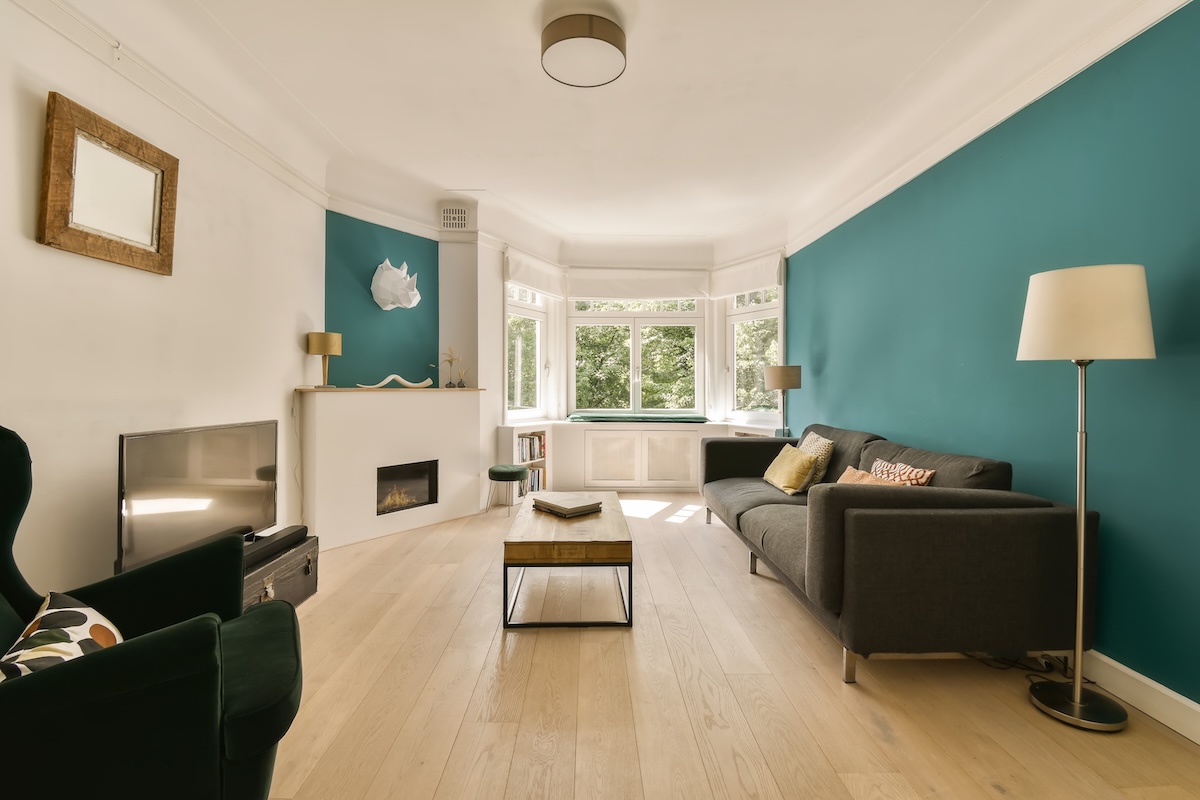
Transitional homes, which blend modern and traditional elements, require a balanced approach. Trim should not be too minimal, but also not overly ornate.
This is where consistency matters most. Profiles across baseboards, casings, and crown moulding should feel related, even if they are not identical.
Trim is not just decoration. It is structure for the way we experience a room.
Matching Trim Across Categories
One of the biggest mistakes homeowners make is choosing trim elements independently instead of as a system.
Baseboards, casings, and crown moulding should all feel connected. They do not need to match exactly, but they should share a similar style language.
For example, a flat baseboard paired with highly decorative crown moulding can create tension. Similarly, ornate casings combined with minimal baseboards can feel unbalanced.
Choosing trim profiles that work together ensures the home feels cohesive rather than pieced together.
Proportion Matters as Much as Style
Even the right profile can look wrong if the proportions are off.
In homes with higher ceilings, trim needs more presence to maintain balance. In smaller spaces, oversized trim can feel overwhelming.
Architecture sets the scale, and trim should follow that scale.
A well-chosen profile that is properly sized will always look better than a more decorative profile that is out of proportion.
Material and Finish Should Support Architecture

Trim is not just about shape. Material and finish also influence how it fits within a home’s style.
Painted trim is often used in modern and transitional spaces because it creates clean lines and consistency. Stained trim is more common in traditional or craftsman homes where natural wood plays a larger role.
Many homeowners evaluate MDF vs wood trim when deciding how to balance durability, cost, and appearance. The right choice depends on both the environment and the architectural style.
Finish should enhance the profile, not distract from it.
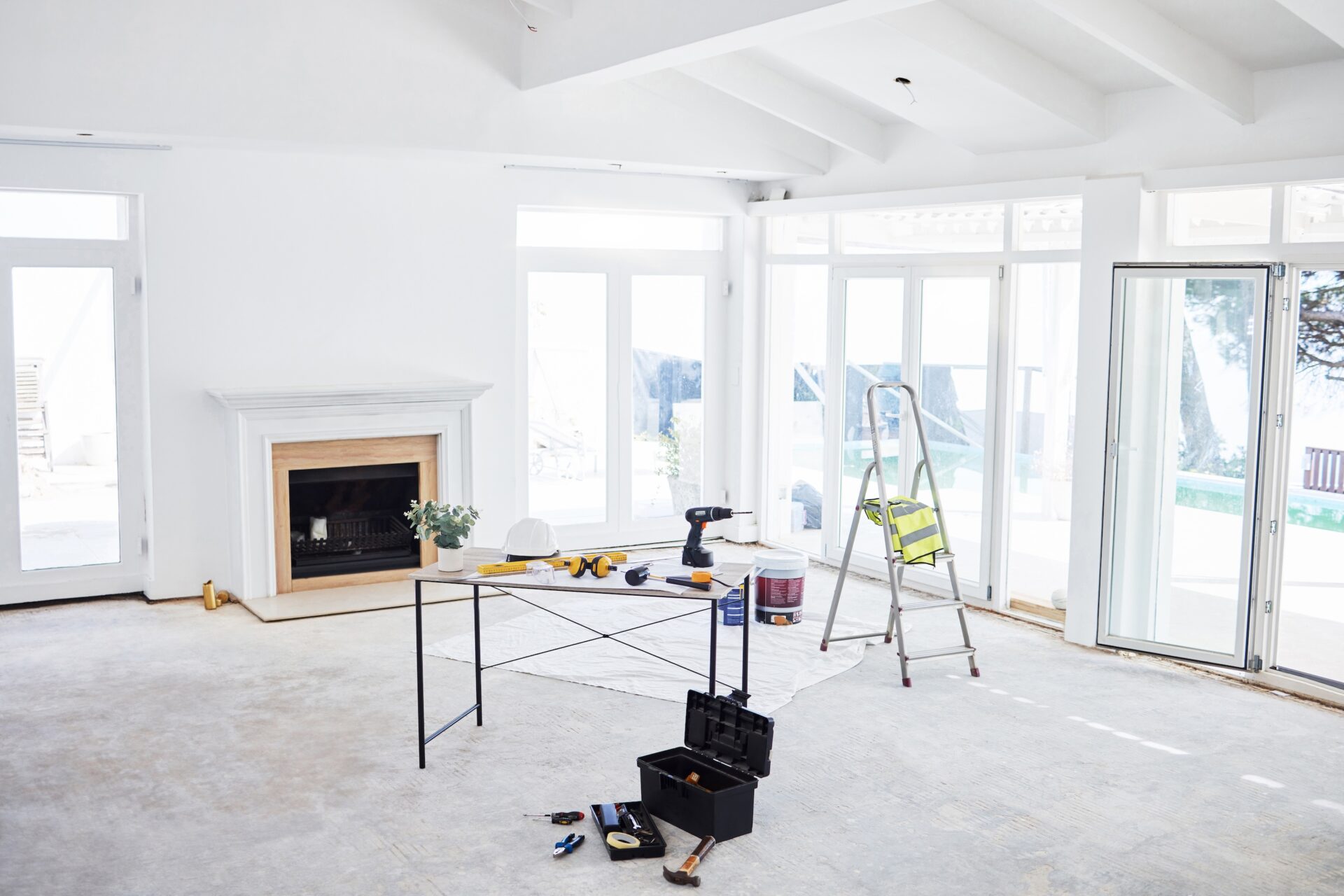
When You Are Updating or Remodeling
Matching trim to architecture becomes more complex during renovations.
If you are updating a home, you have two main options. You can either match the existing architectural style or intentionally shift the design direction.
If you are preserving the original style, trim profiles should align closely with what is already there. If you are modernizing the space, trim can help lead that transition, but it should still feel consistent throughout the home.
Changing trim in one room without considering the rest of the house often leads to inconsistency.
How We Approach Trim Selection at The Moulding Company
At The Moulding Company, we help customers think about trim as part of a complete system rather than individual pieces. We consider architecture, proportion, and how each element connects across the home.
Our goal is not just to provide trim, but to help create spaces that feel intentional and cohesive.
Trim is not just decoration. It is structure for the way we experience a room.
Final Thoughts
Choosing trim profiles is not just about what looks good in isolation. It is about what fits your home.
When trim aligns with architecture, everything feels balanced. Walls, ceilings, and openings work together. The home feels complete.
When trim is chosen without considering architecture, even high-quality materials can feel out of place.
At The Moulding Company, we believe the best trim choices are the ones that feel like they have always belonged in the home. That is when design truly works.
Frequently Asked Questions (FAQs)
Trim reflects the style of the home. Matching profiles to architecture creates consistency and helps the space feel intentional.
Yes, but it must be done carefully. The profiles should still share a common design language to avoid visual conflict.
Flat and minimal profiles work best because they support clean lines and simple architectural forms.
No. They should feel related in style and proportion, but not necessarily identical.
Yes. Consistent, well-chosen trim improves perceived quality and overall design, which can positively influence value.