Closed for Thanksgiving
Thu, Nov 26 to Sat, Nov 28
Reopening Monday, Nov 30. Online quote requests are processed then.

Blog
How to Layer Multiple Types of Moulding for a Custom Look


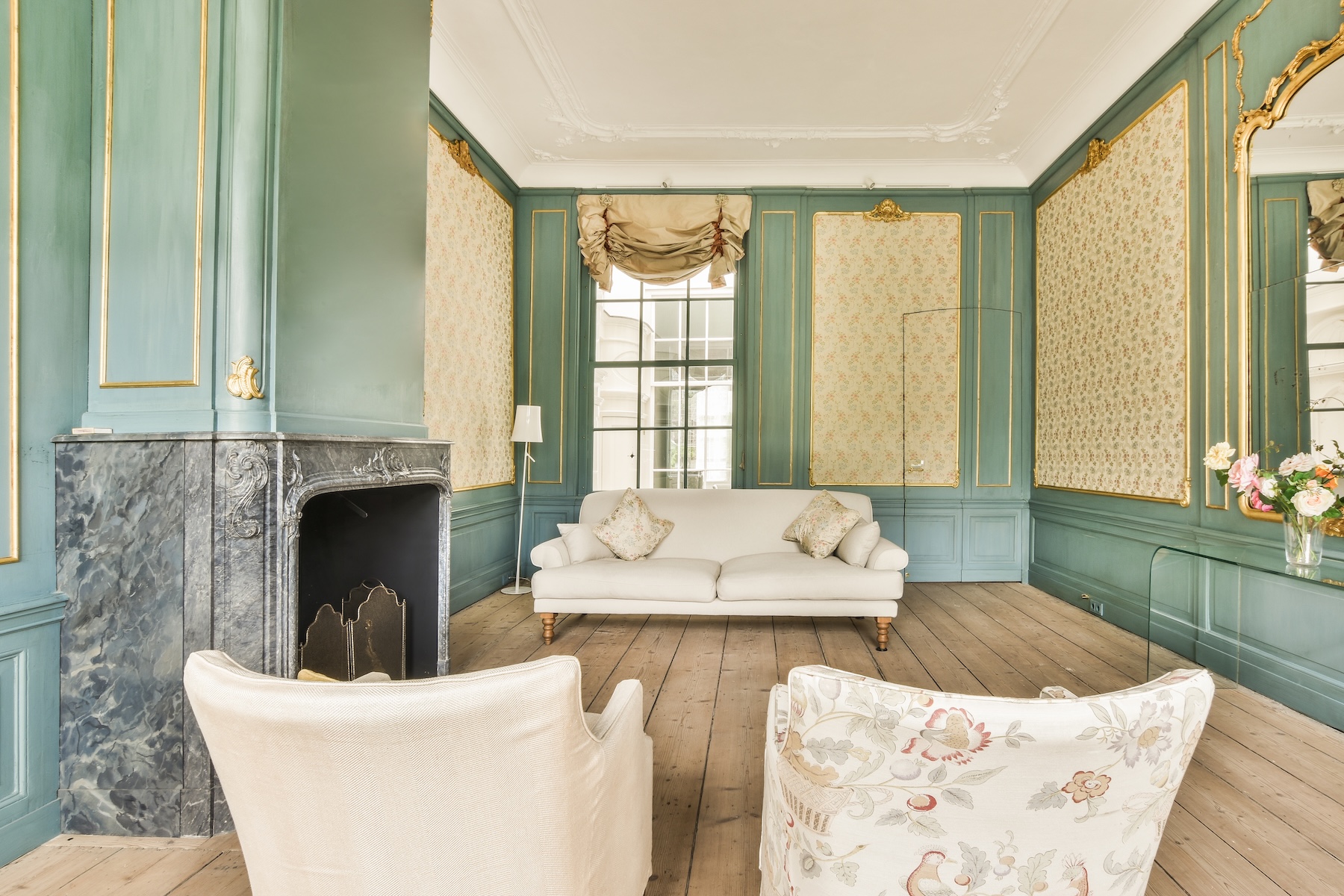
At The Moulding Company, one of the biggest differences between a standard-looking room and a truly custom interior often comes down to layering. A single trim profile can look clean and functional, but combining multiple types of moulding thoughtfully is what gives a home depth, character, and architectural presence.
Layering moulding is not about adding as much detail as possible. In fact, too much detail without structure can quickly feel overwhelming. The goal is balance. When crown moulding, wall panels, chair rail, and other trim elements work together, they create a home that feels intentional and professionally designed.
This is one of the reasons custom interiors feel different from builder-grade spaces. The details relate to one another instead of existing independently.
What Does “Layering Moulding” Actually Mean?
Layering moulding means combining multiple trim elements in a coordinated way to create dimension and architectural structure.
Instead of using only one trim type, layered interiors may include:
- Crown moulding near the ceiling
- Chair rail along the middle of the wall
- Panel moulding or wall trim below or above
- Baseboards that visually anchor the room
These elements work together to create rhythm and proportion across the wall.
When done correctly, layered moulding adds sophistication without making the room feel busy.
Trim is not just decoration. It is structure for the way we experience a room.
Why Layered Trim Feels More Custom

Layered trim creates visual depth. It breaks large wall surfaces into intentional sections and gives the eye structure to follow.
In many modern homes, walls are large and uninterrupted. Without trim, those walls can sometimes feel flat or unfinished. Layered moulding introduces architectural detail without requiring major structural renovation.
It also creates a sense of craftsmanship. Even simple rooms begin to feel more refined when moulding profiles are coordinated properly.
The key is restraint and proportion. Layering should feel integrated into the architecture, not applied randomly.
Start With the Crown Moulding
Crown moulding usually establishes the visual language for the rest of the room.
Because it sits at the ceiling line, it naturally draws attention upward and helps define the room’s style. More traditional spaces may use larger or more detailed crown moulding styles, while modern interiors often lean toward simpler profiles.
When layering multiple trim elements, crown moulding should not feel disconnected from the rest of the wall details. The profile, scale, and level of detail should influence the other moulding choices in the room.
A highly ornate crown paired with ultra-minimal wall trim often creates tension instead of cohesion.
Using Chair Rail to Create Structure
Chair rail is one of the most effective ways to divide wall space and create visual organization.
Originally designed to protect walls from furniture damage, chair rail has become a major architectural feature in many homes. Today, it is commonly used to separate paint colors, frame wall panels, or transition between different wall treatments.
Well-proportioned chair rail moulding profiles help establish horizontal structure without overpowering the room.
In dining rooms, entryways, and hallways, chair rail often acts as the bridge between crown moulding above and panel moulding below. This layered approach creates depth while keeping the wall visually balanced.
Panel Moulding Adds Architectural Depth
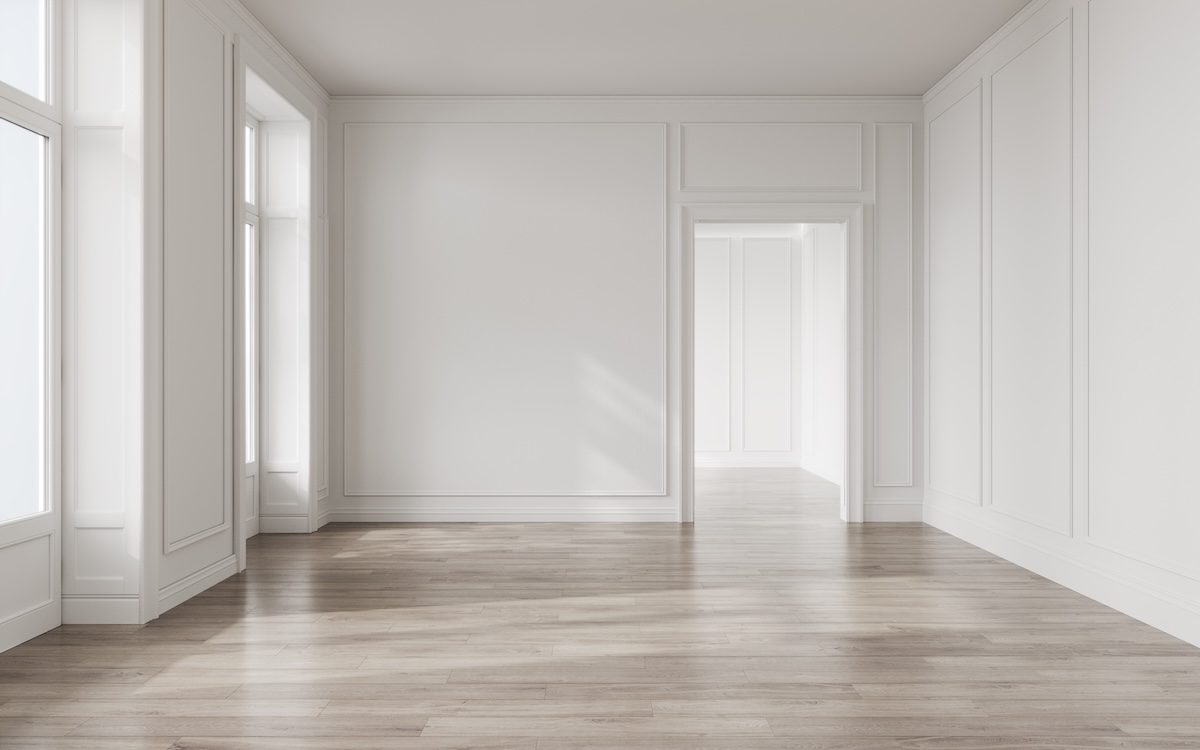
Panel moulding is what gives layered walls their custom appearance. It transforms plain drywall into something that feels intentional and architectural.
Simple rectangular layouts tend to work best because they create structure without clutter. Overly complicated layouts can make walls feel crowded, especially in smaller rooms.
Using subtle decorative wall moulding allows the panels to add texture while still feeling elegant and restrained.
One of the most important things to remember is spacing. Panel moulding should breathe. Crowded layouts reduce the sense of refinement that makes layered trim feel custom in the first place.
The Importance of Proportion
Proportion is what separates elegant layered trim from walls that feel overly decorated.
Each moulding element should relate to the room size and ceiling height. Taller ceilings can support larger crown moulding and more generous panel layouts. Smaller rooms usually require simpler profiles and more restraint.
A good layered design feels balanced from floor to ceiling.
For example:
- Large crown moulding often pairs well with taller chair rail placement
- Smaller crown moulding usually works better with thinner panel moulding
- Wide wall panels often require taller ceilings to feel proportional
When proportions are ignored, the room can quickly feel visually heavy.
Trim is not just decoration. It is structure for the way we experience a room.
Consistency Matters More Than Complexity

One of the biggest mistakes homeowners make when layering moulding is combining unrelated styles.
Profiles do not need to match exactly, but they should belong to the same design family. Clean, stepped profiles work well together. More traditional curved profiles also pair naturally.
The goal is consistency, not maximum detail.
This is especially important when combining crown moulding styles, chair rail, and panel trim within the same room.
Paint and Finish Play a Major Role
Paint color dramatically affects how layered moulding is perceived.
Painting all moulding and walls the same color creates a softer, more modern look where the detail comes from shadow and texture rather than contrast. Using contrasting trim colors creates a more traditional and formal effect.
Most layered moulding designs work best with painted finishes because paint visually unifies the profiles and keeps the wall from feeling too busy.
Many homeowners compare painted vs stained trim before starting these projects because the finish changes the entire mood of the space.
Where Layered Moulding Works Best
Layered moulding is especially effective in spaces where walls are more visible and less interrupted by cabinetry or furniture.
It works beautifully in:
- Dining rooms
- Entryways
- Hallways
- Home offices
- Living rooms with taller ceilings
Bathrooms and kitchens can also use layered moulding, but usually with simpler layouts due to moisture and space limitations.
Modern vs Traditional Layering Approaches
Traditional interiors often use:
- Larger crown moulding
- More decorative chair rail
- Detailed panel profiles
- Greater contrast between wall and trim colors
Modern interiors usually rely on:
- Simpler profiles
- Wider spacing
- Cleaner geometry
- Minimal contrast
Both approaches can look custom when the proportions and consistency are handled correctly.
Trim is not just decoration. It is structure for the way we experience a room.
Why Baseboards Still Matter in Layered Designs
Even though crown moulding and panels often receive the most attention, baseboards are still essential.
Baseboards visually anchor the entire wall system. Without properly scaled baseboard moulding styles, layered trim can feel unfinished near the floor.
The baseboard acts as the foundation that supports everything above it.
How We Approach Layered Moulding at The Moulding Company
At The Moulding Company, we approach layered trim as a complete composition rather than individual pieces. We help customers consider proportion, spacing, ceiling height, and architectural style so that every element works together.
The goal is not to make the room feel more complicated. It is to make it feel more intentional.
When layering is done correctly, the moulding becomes part of the architecture itself rather than decoration added afterward.
Final Thoughts
Layering multiple types of moulding is one of the most effective ways to create a custom interior. Crown moulding defines the ceiling line. Chair rail creates structure. Panel moulding adds depth. Baseboards anchor the room.
When these elements are coordinated carefully, walls feel richer, more balanced, and more architectural.
At The Moulding Company, we believe great trim design is not about adding more detail. It is about creating harmony between every layer of the room.
Frequently Asked Questions (FAQs)
Yes. Crown moulding and chair rail work very well together when the profiles and proportions are coordinated properly.
Dining rooms, entryways, hallways, and living rooms are some of the best spaces for layered trim because the walls are more visible.
No. The profiles should feel related in style and scale, but they do not need to be identical.
No. Modern homes can also use layered moulding with simpler profiles and cleaner layouts.
Well-designed layered trim can improve perceived craftsmanship and architectural quality, which may positively influence home value.