Blog
Best Trim Options for High-Traffic Areas (Hallways, Stairs, Entryways)


At The Moulding Company, we often remind homeowners that not all areas of a home are used the same way. Hallways, staircases, and entryways experience constant movement. Shoes, bags, furniture, pets, and daily traffic all pass through these spaces, which means trim here takes more wear than anywhere else.
Because of that, choosing trim for high-traffic areas is not just about style. It is about durability, maintenance, and long-term performance. The right trim can handle years of use while still looking clean and intentional. The wrong trim can quickly show scuffs, dents, and wear.
Finding the right balance between function and design is what makes these spaces feel finished without becoming high-maintenance.
Why High-Traffic Areas Require a Different Approach
In living rooms or bedrooms, trim is mostly visual. In hallways and entryways, it becomes functional.
Baseboards are frequently bumped by shoes, vacuums, and furniture. Staircases see constant movement and contact. Entryways deal with dirt, moisture, and heavier impact from daily use.
This means trim in these areas needs to:
- Resist impact and wear
- Be easy to clean
- Maintain its finish over time
- Still align with the rest of the home’s design
Durability does not mean sacrificing appearance. It simply means making smarter choices.
Trim is not just decoration. It is structure for the way we experience a room.
Baseboards That Can Handle Daily Impact
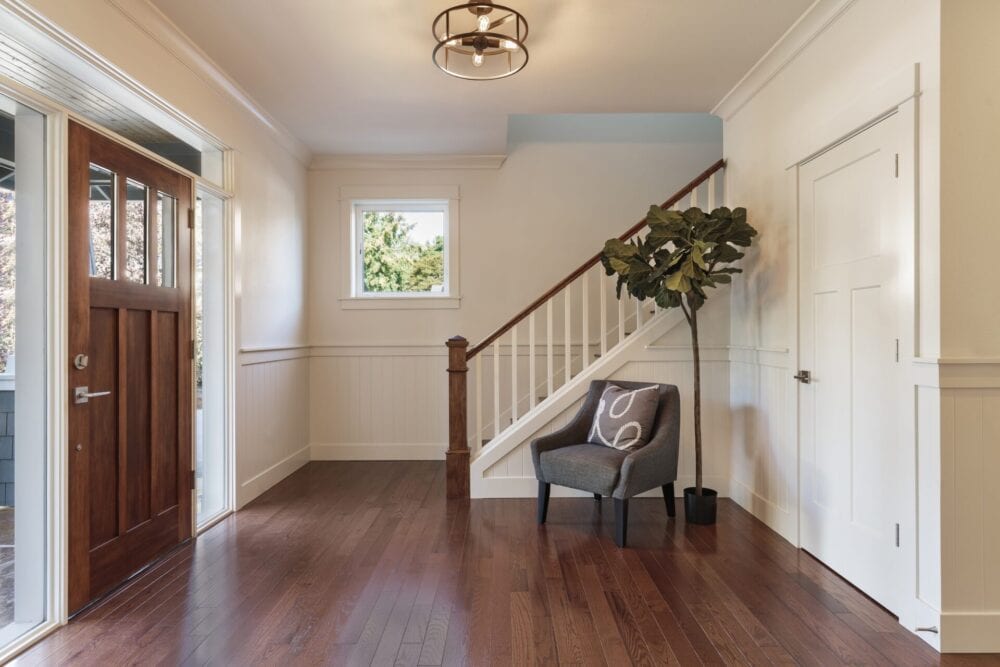
Baseboards take the most abuse in high-traffic areas, so they should be chosen carefully.
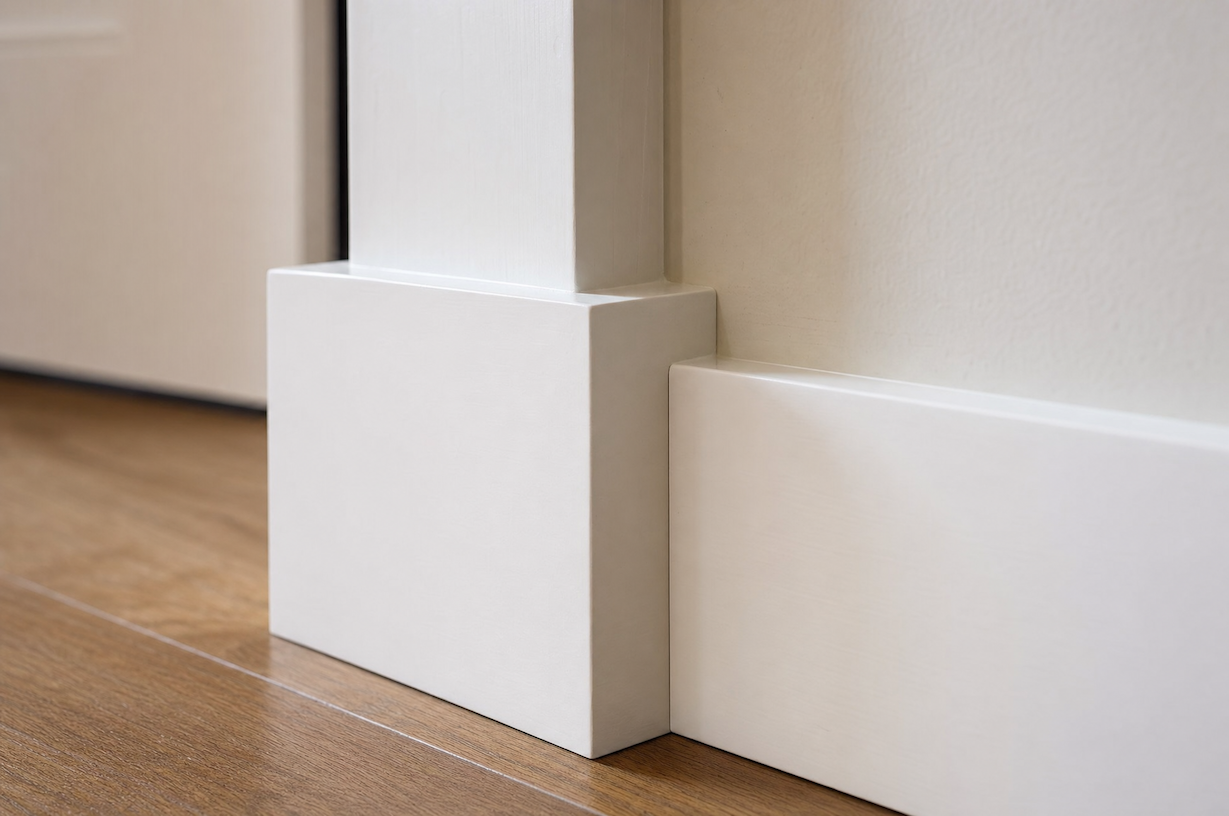
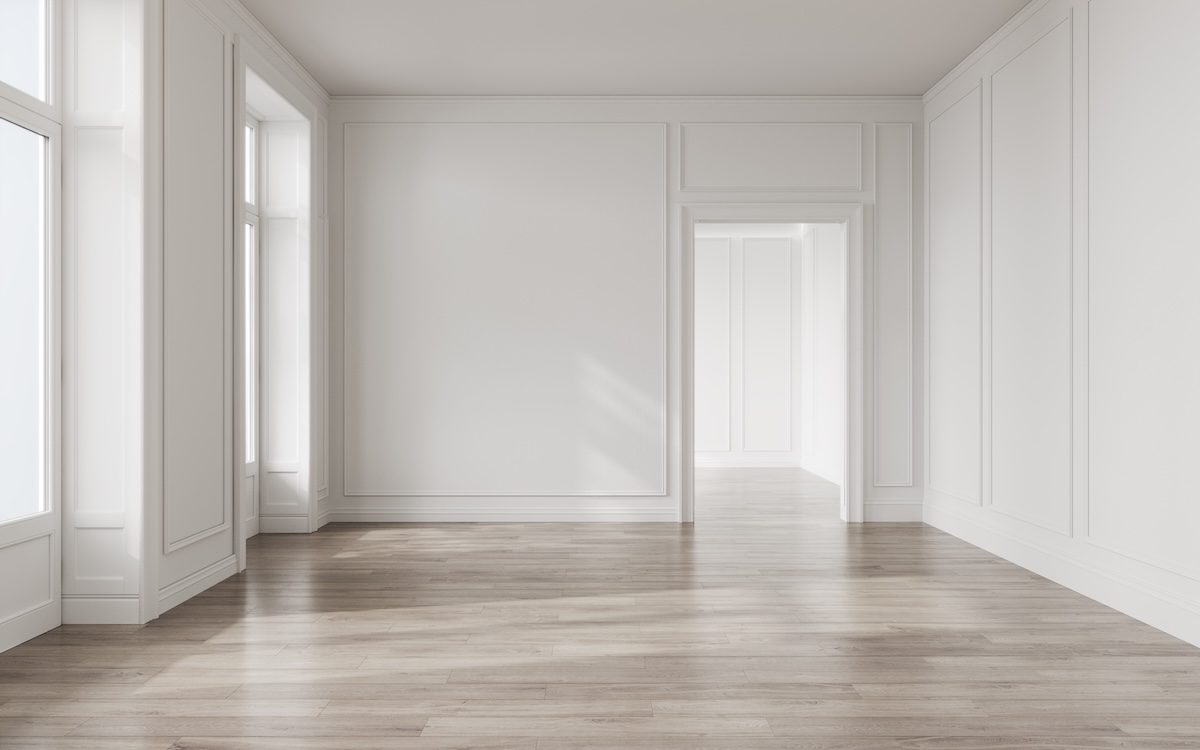
In hallways and entryways, slightly taller baseboards often work better. They provide more surface area and help protect walls from scuffs and marks. At the same time, the profile should remain clean and not overly intricate.
Simple, well-proportioned baseboard moulding styles tend to perform best because they are easier to maintain and less likely to trap dirt or show damage.
Profiles with excessive detail may look appealing at first, but in high-traffic areas, they can collect dust and become harder to clean.
Casings That Stay Strong and Consistent
Doorways in hallways and entryways are used constantly. This makes casings an important part of both durability and visual consistency.
Casings should feel substantial enough to handle wear without looking bulky. Clean, structured interior door and window casings help frame openings while standing up to repeated use.
Consistency is especially important here. Since multiple doors are often visible at once, mismatched casing styles can disrupt the flow of the space.
Material Choices That Make a Difference
Material selection is one of the most important decisions in high-traffic areas.
MDF can work well in controlled environments, but in areas exposed to frequent impact or moisture, more durable options may be preferred. Solid wood or properly finished materials often hold up better over time, especially when sealed and maintained correctly.
Many homeowners consider MDF vs wood trim when planning these spaces, and the right choice often depends on the level of use and exposure.
The goal is to choose a material that not only looks good on installation day, but continues to perform months and years later.
Finishes That Hide Wear and Simplify Cleaning
Finish plays a major role in how trim holds up in busy areas.
Painted trim with a durable finish is often the best option. Semi-gloss or satin finishes are easier to wipe clean and tend to resist scuffs better than flat finishes.
Lighter colors can brighten narrow hallways, but they may show marks more easily. Slightly warmer or mid-tone neutrals can sometimes hide wear better while still maintaining a clean look.
Choosing the right finish ensures trim remains practical without losing its visual appeal.
Trim is not just decoration. It is structure for the way we experience a room.
Stairs and Transitions Need Extra Attention
Staircases are one of the most demanding areas for trim. Not only do they see constant foot traffic, but they also involve multiple transitions between levels.
Baseboards along stairs should follow the same principles as hallways, but with extra attention to alignment and installation. Clean lines and proper sealing are essential to prevent wear at joints and edges.
Casings near stair landings should remain consistent with the rest of the home, helping maintain visual flow between levels.
Trim That Supports Visual Flow
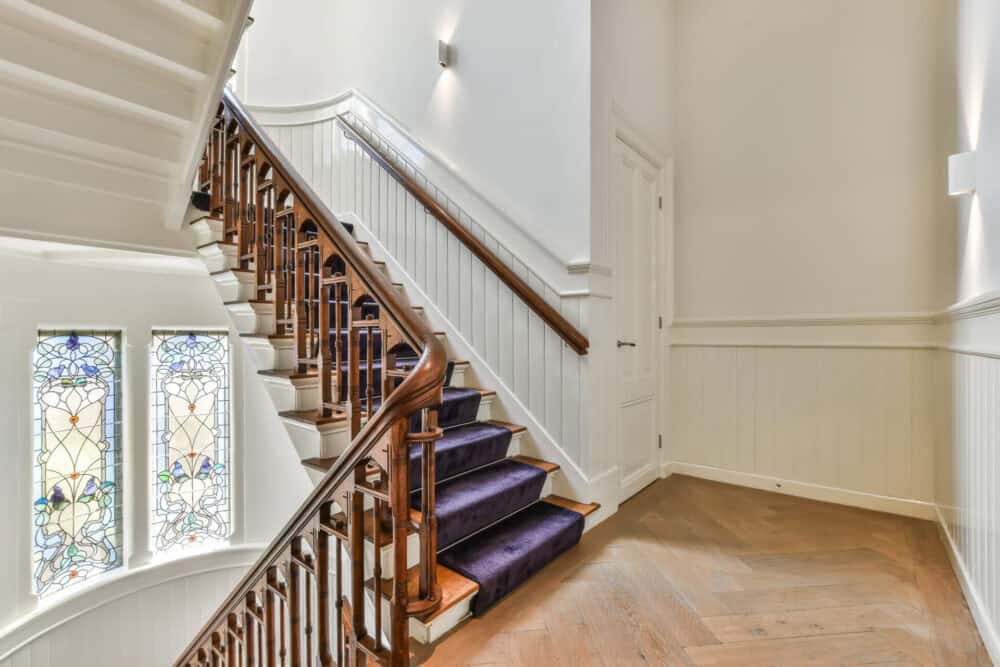
High-traffic areas often connect multiple rooms, which makes consistency even more important.
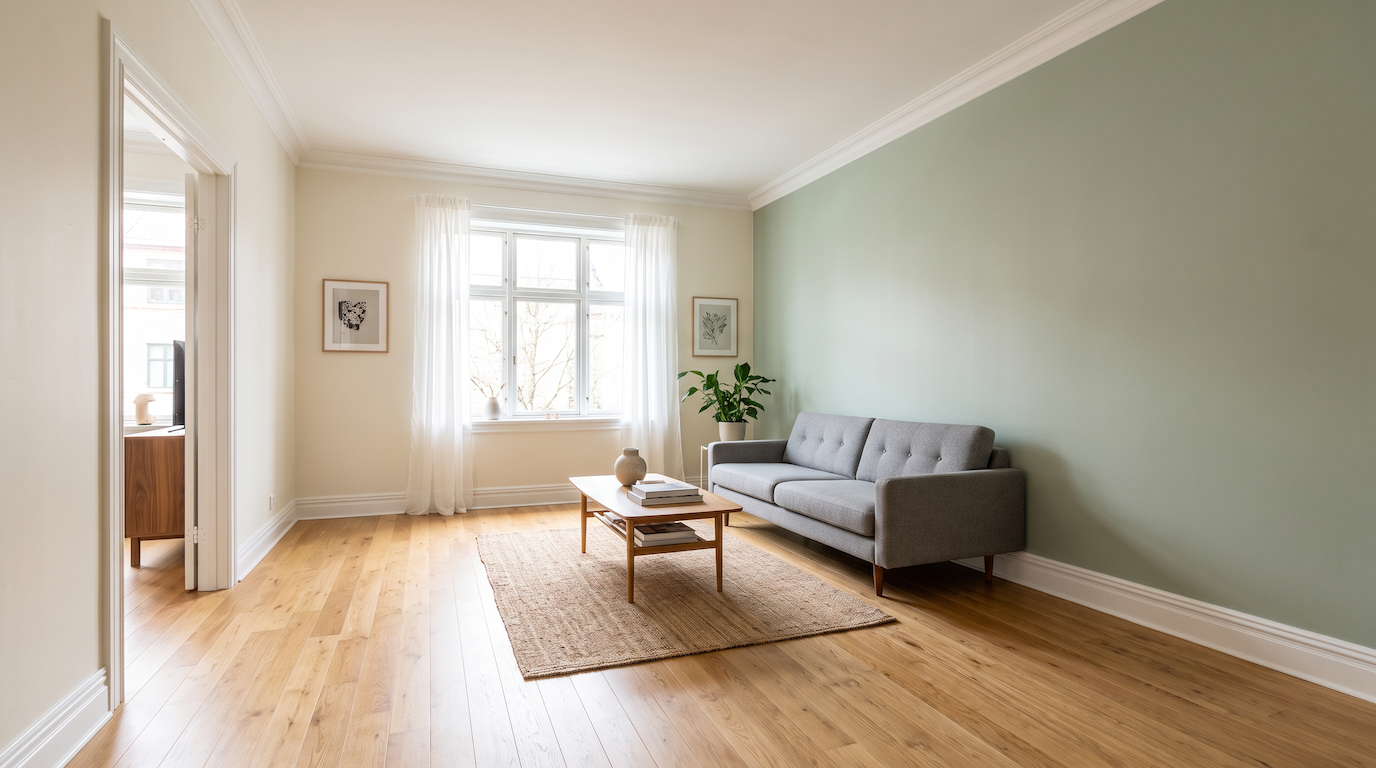
Trim should act as a unifying element. Even if flooring or wall colors change from one room to another, consistent baseboards and casings help maintain continuity.
When trim changes too often in these spaces, the home can feel fragmented. When it stays consistent, movement through the home feels smooth and intentional.
Small Details That Make a Big Difference
In high-traffic areas, small finishing details matter more than you might expect.
Elements like shoe moulding for baseboards can help protect edges and cover small gaps where flooring meets trim. These details not only improve durability but also contribute to a cleaner, more finished look.
Proper installation and sealing are just as important as the trim itself. Even the best materials can fail if they are not installed correctly.
Common Mistakes to Avoid
We often see a few recurring issues in high-traffic areas.
One is choosing trim that is too delicate or overly decorative. While detailed profiles may look attractive, they do not always hold up well under constant use.
Another is selecting finishes that are difficult to clean or that show wear too easily.
Inconsistent trim between connected spaces is another common problem, especially in hallways that lead to multiple rooms.
Finally, underestimating the importance of material quality can lead to trim that needs replacement sooner than expected.
Trim is not just decoration. It is structure for the way we experience a room.
How We Approach High-Traffic Areas at The Moulding Company
At The Moulding Company, we approach these spaces with durability and design working together. We help customers select trim that can handle daily use while still aligning with the overall look of the home.
By focusing on material, finish, and proportion, we ensure trim performs well without sacrificing style.
Final Thoughts
High-traffic areas demand more from trim, but they also offer an opportunity to strengthen the overall design of the home.
Baseboards protect and anchor the space. Casings frame movement and maintain consistency. Finishes and materials determine how well everything holds up over time.
When trim is chosen thoughtfully, hallways, stairs, and entryways feel just as intentional as the rooms they connect.
At The Moulding Company, we believe great trim should not only look good on day one. It should continue to perform, support, and elevate your home for years to come.
Frequently Asked Questions (FAQs)
Durable, simple trim profiles with strong finishes work best because they resist wear and are easier to maintain.
Slightly taller baseboards can help protect walls and create a more balanced look in high-traffic spaces.
MDF can work, but in areas with heavy impact or moisture, more durable materials may perform better over time.
Semi-gloss or satin painted finishes are ideal because they are easier to clean and more resistant to scuffs.
Using durable materials, proper sealing, and details like shoe moulding helps protect trim from daily wear.