Blog
How to Choose Trim That Won’t Go Out of Style


At The Moulding Company, one of the most common concerns homeowners have when selecting trim is whether the style will still look good years from now. Trends change quickly. What feels modern today can sometimes feel outdated surprisingly fast. Because trim is installed throughout the home and meant to last for years, choosing timeless profiles matters.
The good news is that timeless trim is not about avoiding style altogether. It is about choosing proportions, profiles, and finishes that feel balanced rather than trend-driven. The best trim choices are the ones that quietly support the home’s architecture instead of demanding attention.
Timeless trim does not feel old or trendy. It simply feels right.
Why Some Trim Styles Age Better Than Others
Trim becomes dated when it reflects a very specific design trend rather than the architecture of the home itself.
In some decades, extremely ornate profiles were popular. In others, ultra-thin builder-grade trim dominated. The issue is not necessarily the era itself. The issue is imbalance. When trim is chosen because it is fashionable rather than proportional and architectural, it tends to lose appeal more quickly.
Timeless trim usually shares a few common characteristics:
- Balanced proportions
- Clean profile transitions
- Moderate detail
- Consistency throughout the home
- Strong relationship to ceiling height and room scale
These elements create longevity because they rely on proportion instead of trends.
Trim is not just decoration. It is structure for the way we experience a room.
Start With Your Home’s Architecture
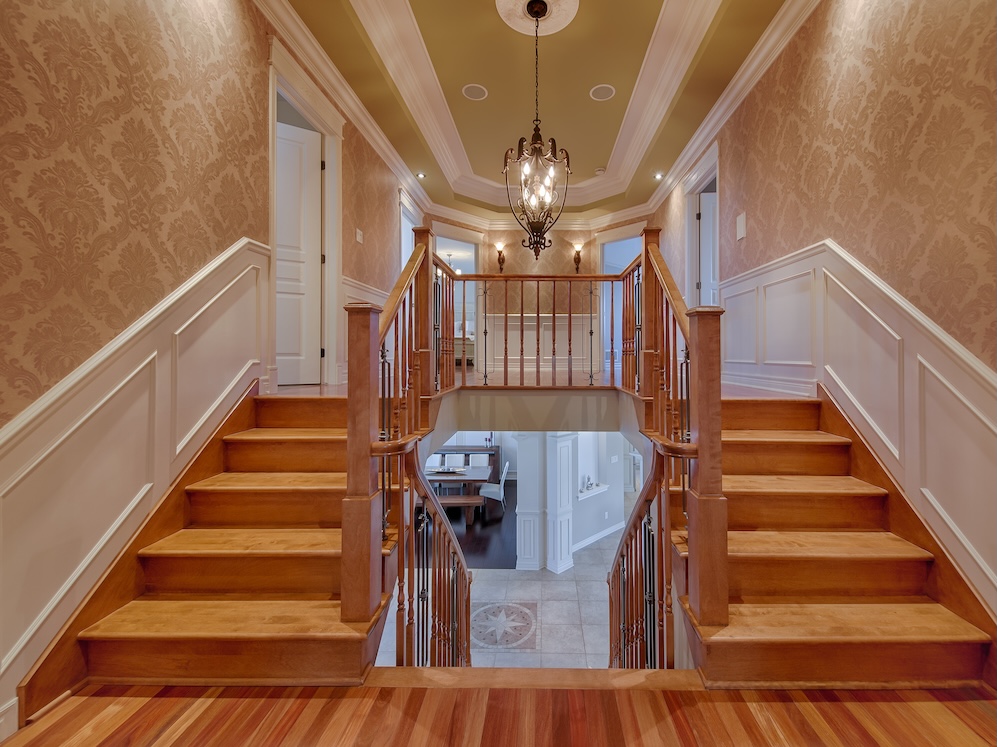
One of the easiest ways to choose timeless trim is to let the home’s architecture guide the decision.
Modern homes typically look best with:
- Cleaner lines
- Simpler profiles
- Minimal ornamentation
Traditional homes often support:
- Softer curves
- More layered profiles
- Greater trim depth
Transitional homes work somewhere between the two.
The mistake many homeowners make is installing trim that belongs to a completely different architectural style than the home itself. Extremely modern trim in a traditional home or overly ornate moulding in a minimalist space can quickly feel disconnected.
Timeless interiors feel cohesive because the trim supports the architecture rather than competing with it.
Avoid Extremely Trend-Driven Profiles
Some trim profiles become popular very quickly because they make a strong visual statement. The problem is that strong trends tend to fade fastest.
Extremely decorative moulding, oversized farmhouse-style trim, or aggressively modern ultra-thin profiles may feel current today but can become visually tied to a specific design era later.
This does not mean trim should be boring. It simply means moderation tends to age better than extremes.
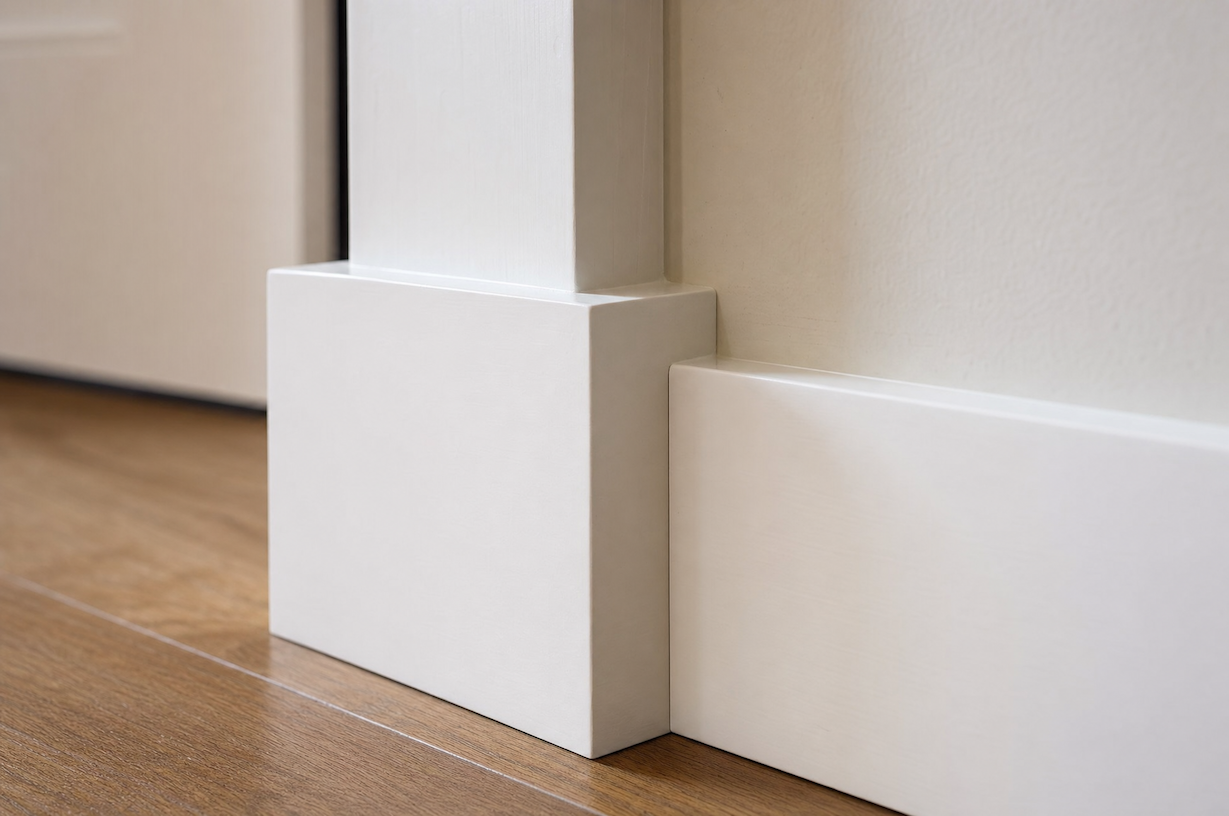
Choosing balanced baseboard moulding styles with clean lines and subtle detail usually creates a longer-lasting look than heavily stylized profiles.
Trim is not just decoration. It is structure for the way we experience a room.
Proportion Matters More Than Complexity
One of the biggest myths in trim design is that more detail automatically looks more luxurious.
In reality, timeless trim is often relatively simple. What makes it feel refined is proportion.
A well-scaled baseboard in a room with appropriate ceiling height will almost always look better long term than an oversized or undersized profile chosen purely for visual impact.
The same principle applies to crown moulding and casings. Proper scale creates balance, and balance is what makes trim feel timeless.
Keep Trim Consistent Throughout the Home
Consistency is one of the strongest indicators of thoughtful design.
This does not mean every trim profile must be identical, but the overall style language should remain connected from room to room.
For example:
- Baseboards should relate to casing proportions
- Crown moulding should feel consistent with the architectural style
- Wall trim should support rather than compete with surrounding profiles
Using coordinated interior door and window casings throughout the home helps maintain flow and prevents the design from feeling fragmented.
Homes with wildly different trim styles in every room tend to feel less intentional over time.
Simple Crown Moulding Ages Better
Crown moulding is one of the easiest places to accidentally become too trend-focused.
Large, heavily layered crown moulding can sometimes overwhelm average-sized rooms, especially in homes with standard ceiling heights. On the opposite end, extremely minimal crown profiles may feel too tied to a specific modern trend.
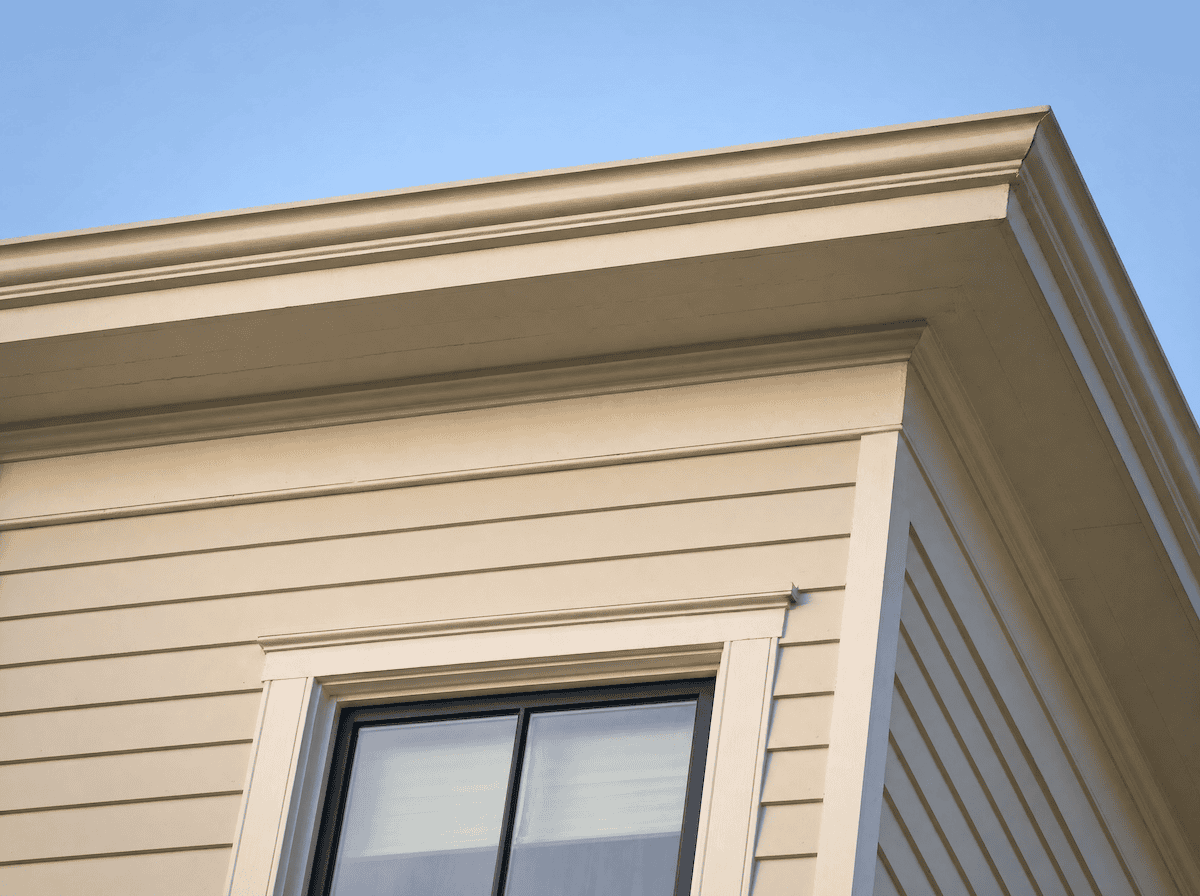
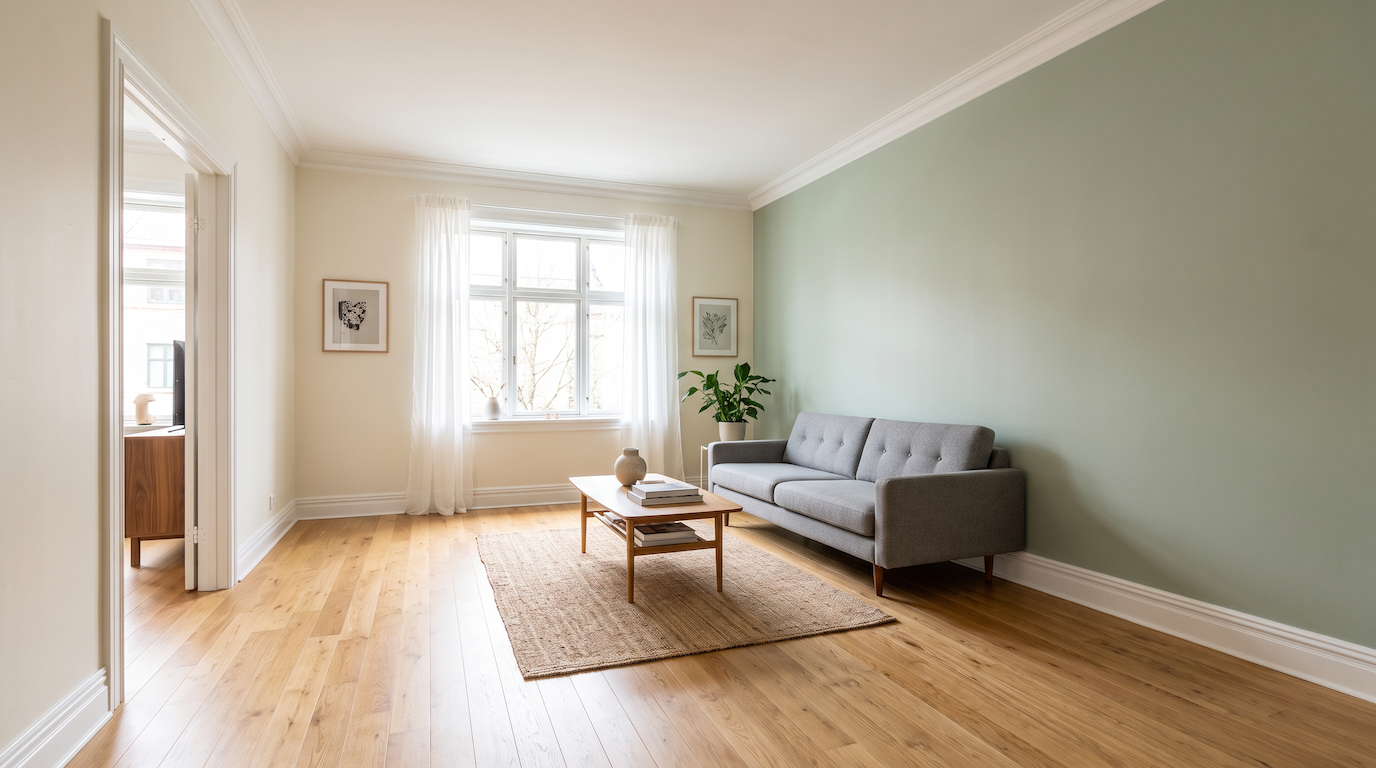
Timeless crown moulding styles usually sit somewhere in the middle. They define the ceiling line clearly without becoming overly decorative.
The goal is refinement, not excess.
Painted Trim Usually Offers More Longevity
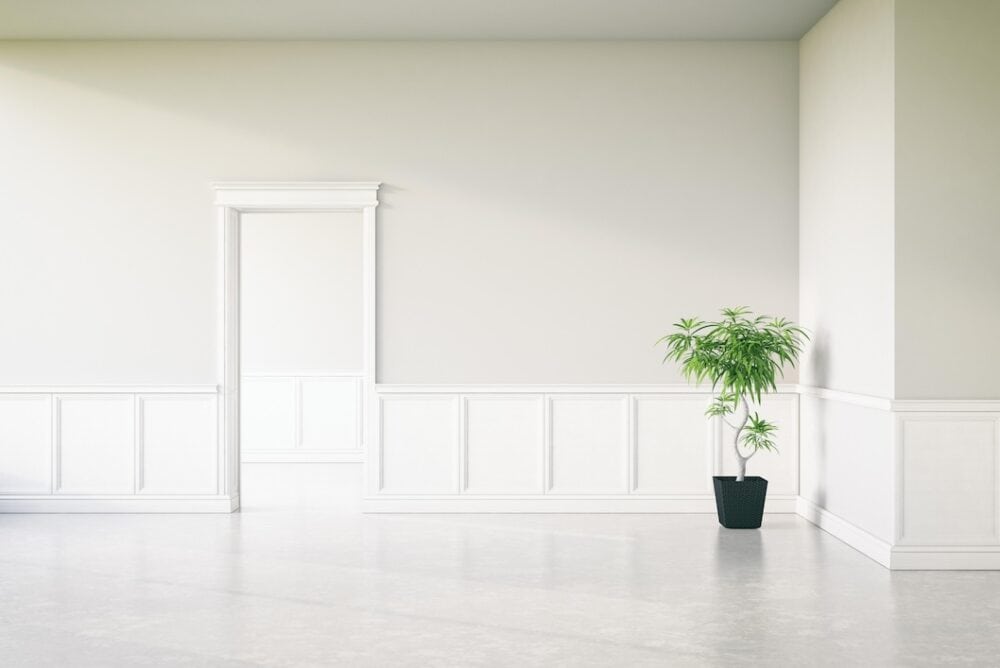
Painted trim tends to age more gracefully because it adapts more easily to changing interiors.
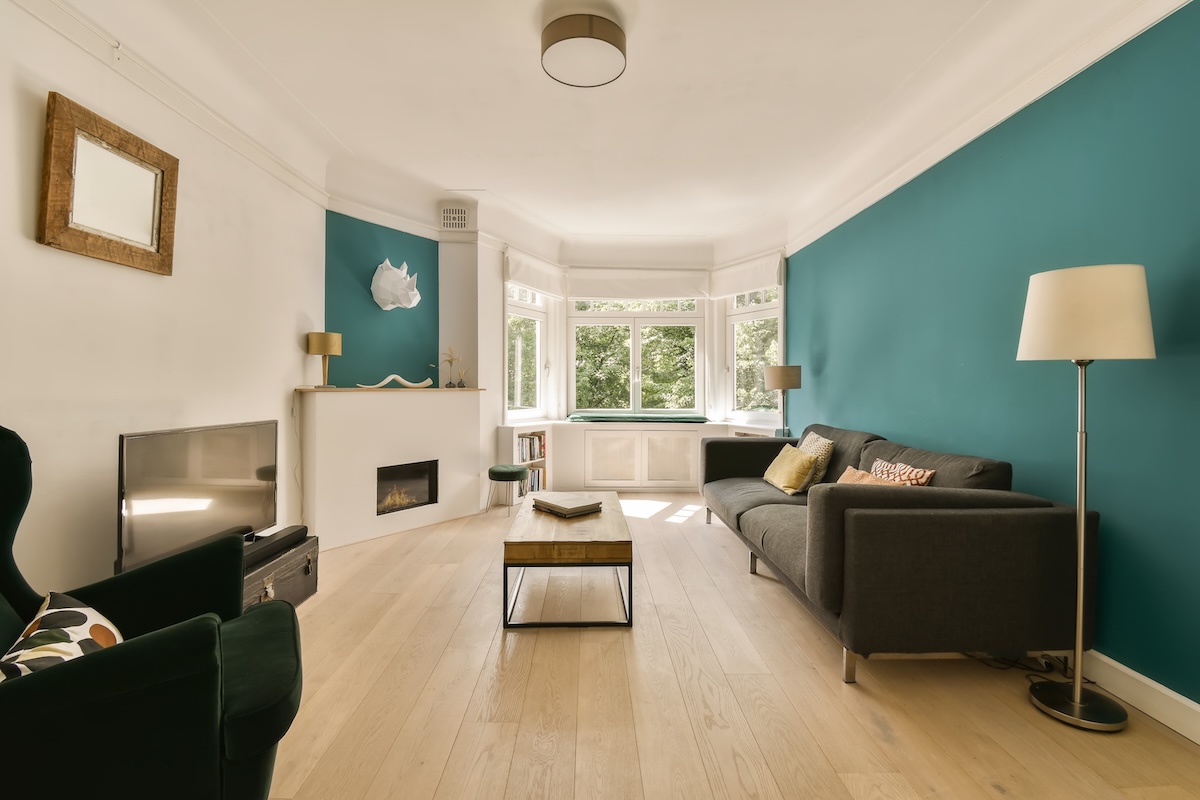
Wall colors, furniture, and flooring may evolve over time, but neutral painted trim generally continues to work with those changes. White and soft neutral trim colors remain popular because they create flexibility and visual consistency.
Many homeowners compare painted vs stained trim when aiming for a timeless look. Stained trim can absolutely feel classic, especially in traditional or craftsman homes, but painted trim usually offers broader long-term versatility.
The key is choosing finishes that feel natural within the home rather than overly trendy.
Trim is not just decoration. It is structure for the way we experience a room.
Timeless Does Not Mean Plain
A common misunderstanding is that timeless design must be extremely minimal.
Timeless trim can still include:
- Chair rail
- Panel moulding
- Crown moulding
- Decorative wall trim
The difference is how these elements are used.
For example, subtle decorative wall moulding can add architectural depth without overwhelming the room. Simple panel layouts often age much better than highly complex wall treatments.
Timeless interiors tend to focus on structure and proportion rather than dramatic visual statements.
Think Long-Term When Choosing Materials
Material selection also affects longevity.
Durable materials that hold paint and resist wear help trim continue looking good over time. In busy homes, maintenance and durability matter just as much as appearance.
Many homeowners evaluate MDF vs wood trim when planning long-term upgrades because each material affects durability, finish quality, and upkeep differently.
Timeless trim is not just about design. It is about how well the trim performs years after installation.
Avoid Overdesigning Smaller Spaces

One of the fastest ways to make trim feel dated is overloading small rooms with too much detail.
Smaller homes and lower ceilings usually benefit from restraint. Simpler trim creates openness and prevents the room from feeling visually crowded.
Timeless interiors leave room for balance. They do not rely on every surface becoming a design feature.
Trim is not just decoration. It is structure for the way we experience a room.
How We Approach Timeless Trim at The Moulding Company
At The Moulding Company, we help customers focus less on short-term trends and more on long-term balance. We look at architecture, proportion, ceiling height, and overall flow before recommending trim profiles.
The goal is not to chase trends. It is to create interiors that still feel intentional years from now.
When trim is chosen thoughtfully, it becomes part of the home’s structure rather than a temporary style statement.
Final Thoughts
Choosing trim that will not go out of style comes down to balance, consistency, and proportion.
Timeless trim supports the architecture of the home rather than overpowering it. It uses detail carefully. It stays connected from room to room. Most importantly, it avoids extremes that can quickly feel tied to a specific trend.
At The Moulding Company, we believe the best trim choices are the ones that continue feeling natural long after trends change. Great trim does not need to demand attention to make an impact. When done right, it quietly improves the entire home for years to come.
Frequently Asked Questions (FAQs)
Simple, well-proportioned trim with moderate detail is generally considered the most timeless choice.
Classic crown moulding styles remain timeless when they are proportional to the room and not overly ornate.
Painted trim tends to adapt more easily to changing interiors, but stained trim can also feel timeless in the right architectural setting.
Trim should feel consistent in style and proportion throughout the home, even if profiles vary slightly.
Extremely trendy, oversized, or overly decorative profiles are more likely to feel dated over time.