Blog
How to Mix Different Trim Styles Without Making Your Home Look Mismatched


At The Moulding Company, one of the biggest misconceptions we hear is that every trim profile in a home must match perfectly. In reality, professionally designed homes rarely use identical trim everywhere. What matters more is consistency in proportion, architectural direction, and visual balance.
Mixing trim styles can actually make a home feel more layered and custom when done correctly. The problem happens when profiles are combined without a clear relationship. That is when rooms start to feel disconnected or pieced together.
The key is understanding how to create contrast without conflict.
Trim is not just decoration. It is structure for the way we experience a room.
Why Mixing Trim Styles Can Work Beautifully
Homes naturally contain different types of spaces. A formal dining room may not need the same trim treatment as a modern kitchen. An entryway may call for more architectural detail than a simple hallway.
Using the exact same trim profile everywhere can sometimes make a home feel flat or repetitive. Carefully mixing trim styles creates variation and depth while still maintaining cohesion.
The goal is not uniformity. The goal is harmony.
When trim styles share a common visual language, subtle differences actually make the home feel more intentional and professionally designed.
Start With Your Home’s Architectural Style
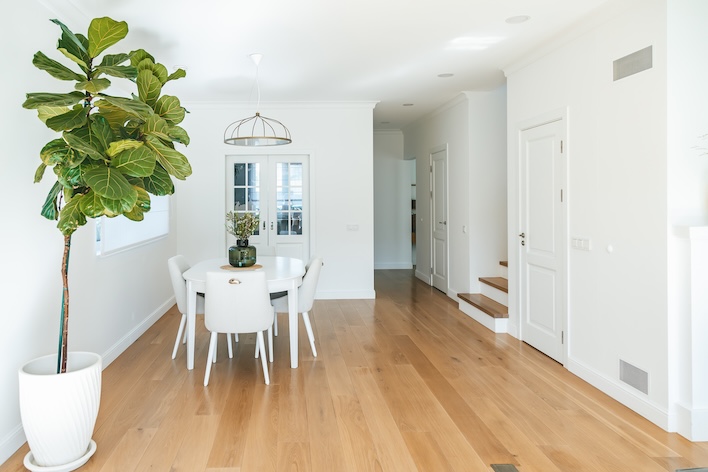
Before mixing trim styles, it helps to understand the architectural identity of the home itself.
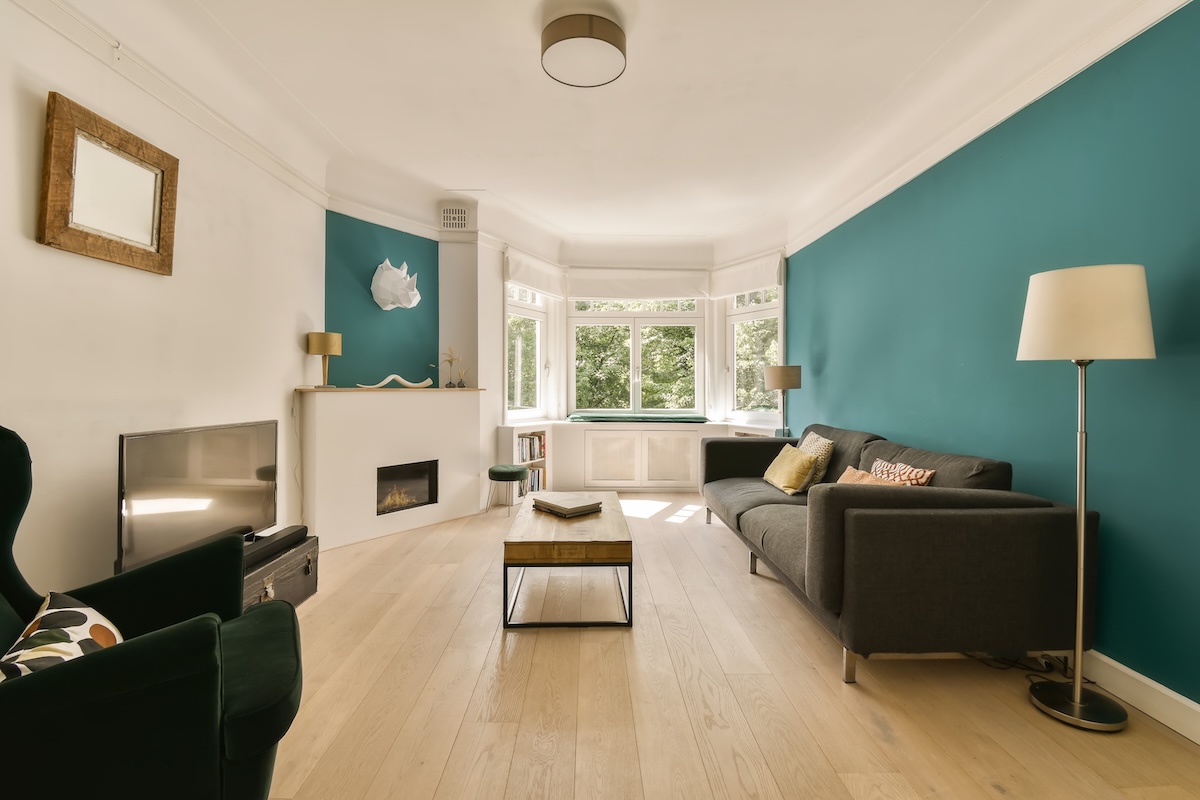
Modern homes usually support:
- Flat profiles
- Minimal detail
- Sharp edges
- Simpler transitions
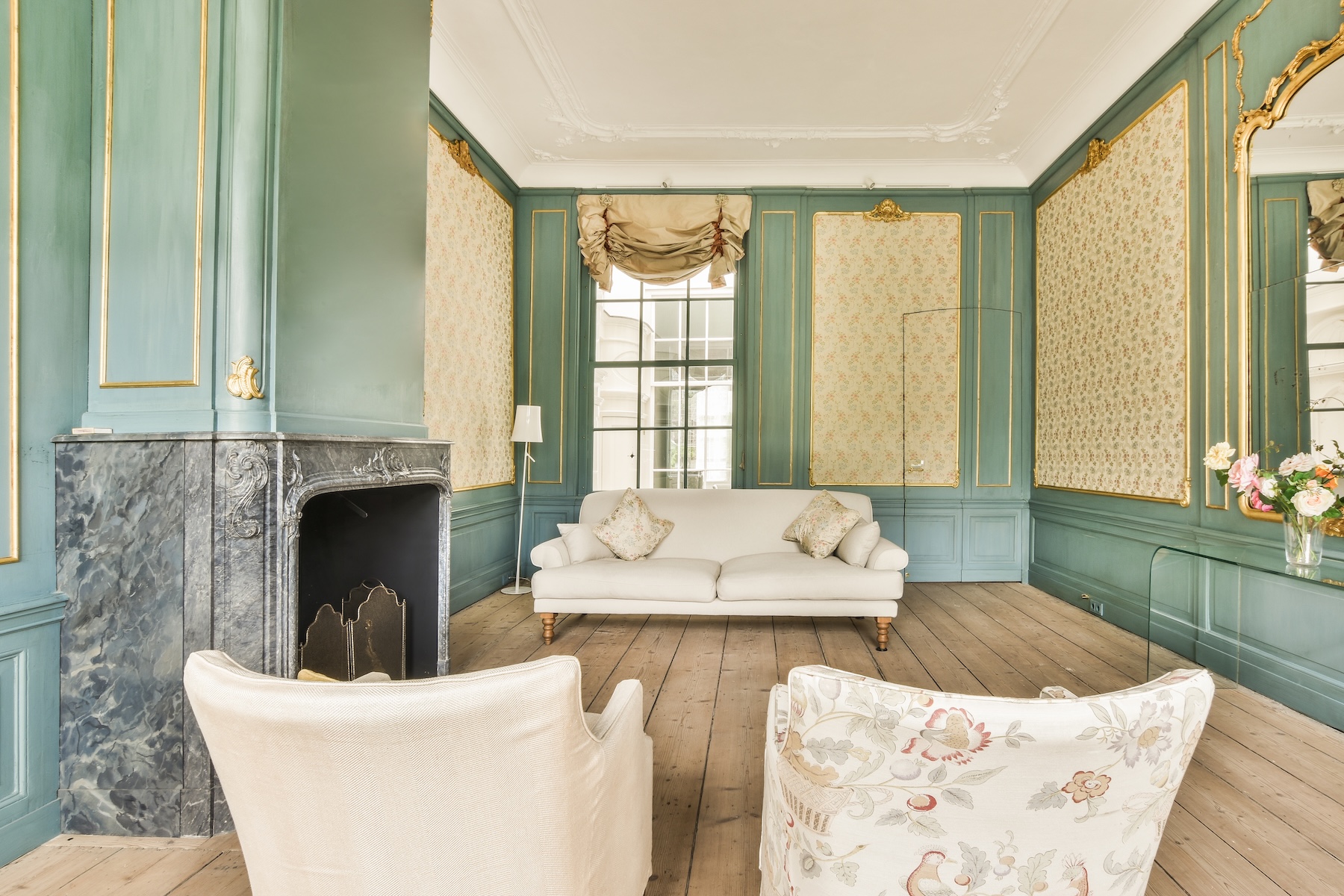
Traditional homes often work better with:
- Layered profiles
- Curves and detail
- Larger crown moulding
- More decorative casings
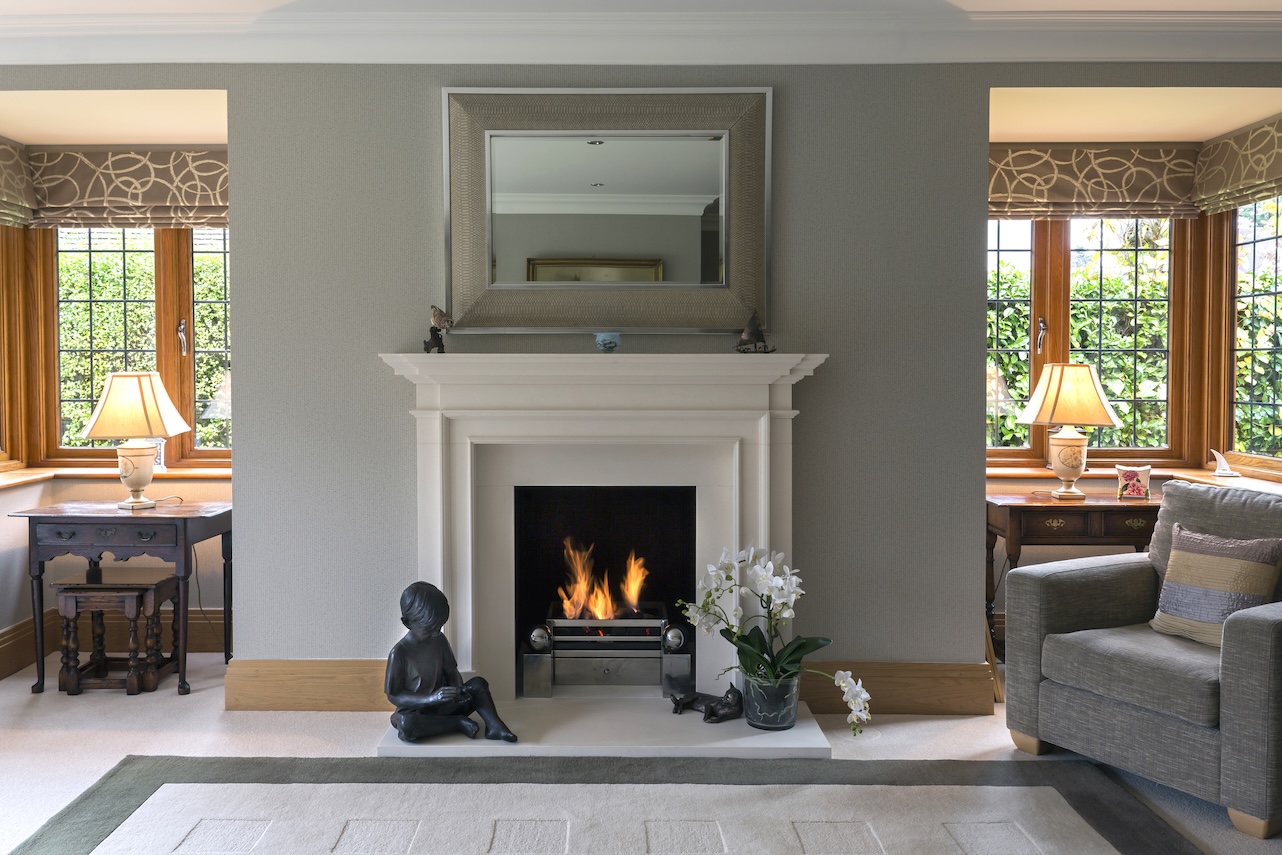
Transitional homes sit somewhere in between and usually allow the most flexibility.
When homeowners run into trouble, it is often because trim styles belong to completely different architectural families. For example, pairing ornate traditional crown moulding with ultra-modern flat baseboards can feel visually disconnected.
Even when mixing styles, the overall architectural direction should remain clear.
Trim is not just decoration. It is structure for the way we experience a room.
Choose One Trim Element to Lead the Design
One of the easiest ways to maintain consistency is to let one trim category establish the visual language for the room.
In some homes, that might be the baseboard moulding styles. In others, it may be crown moulding or casings.
Once the dominant style is established, the remaining trim elements can support it rather than compete with it.
For example:
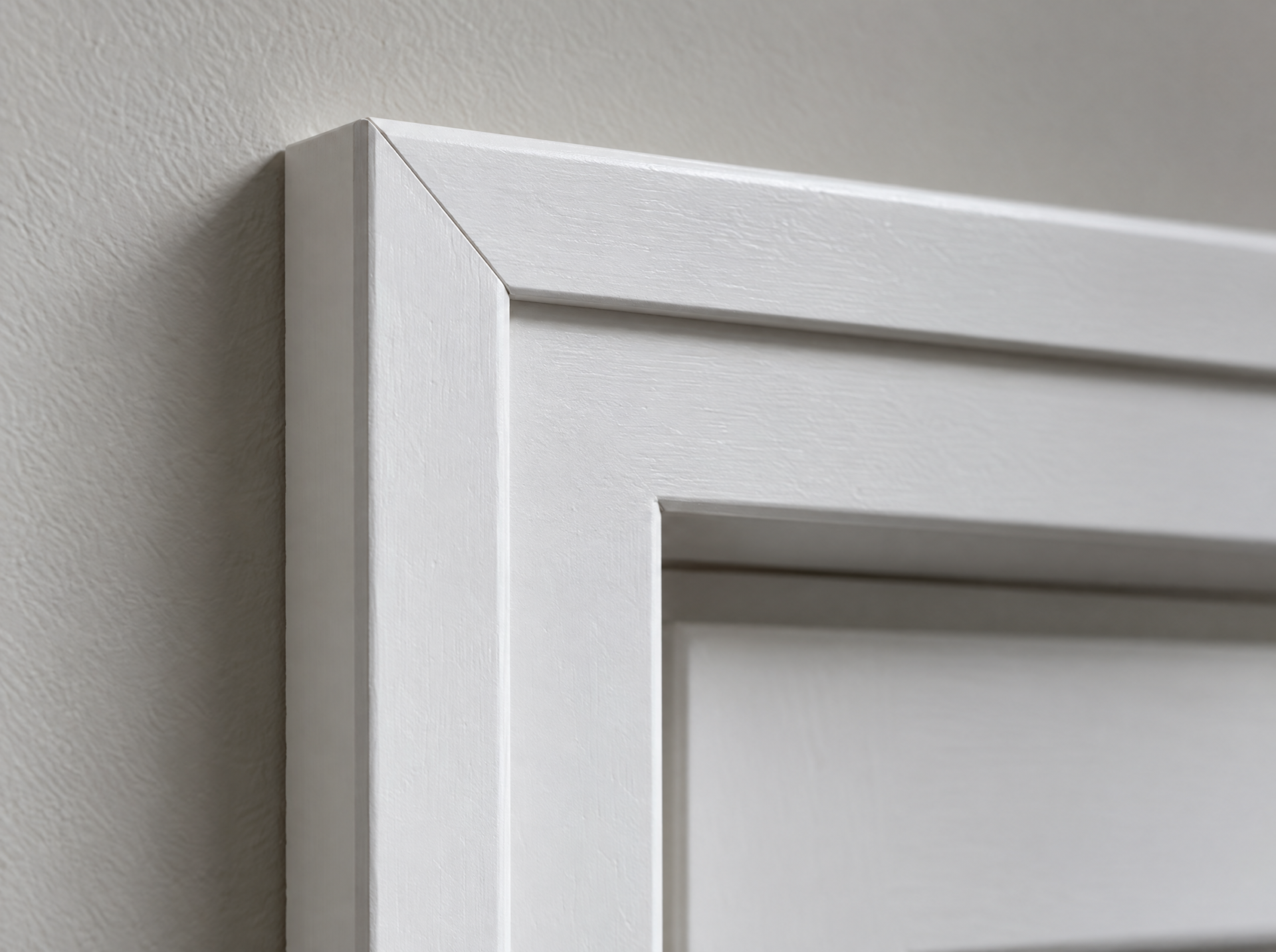
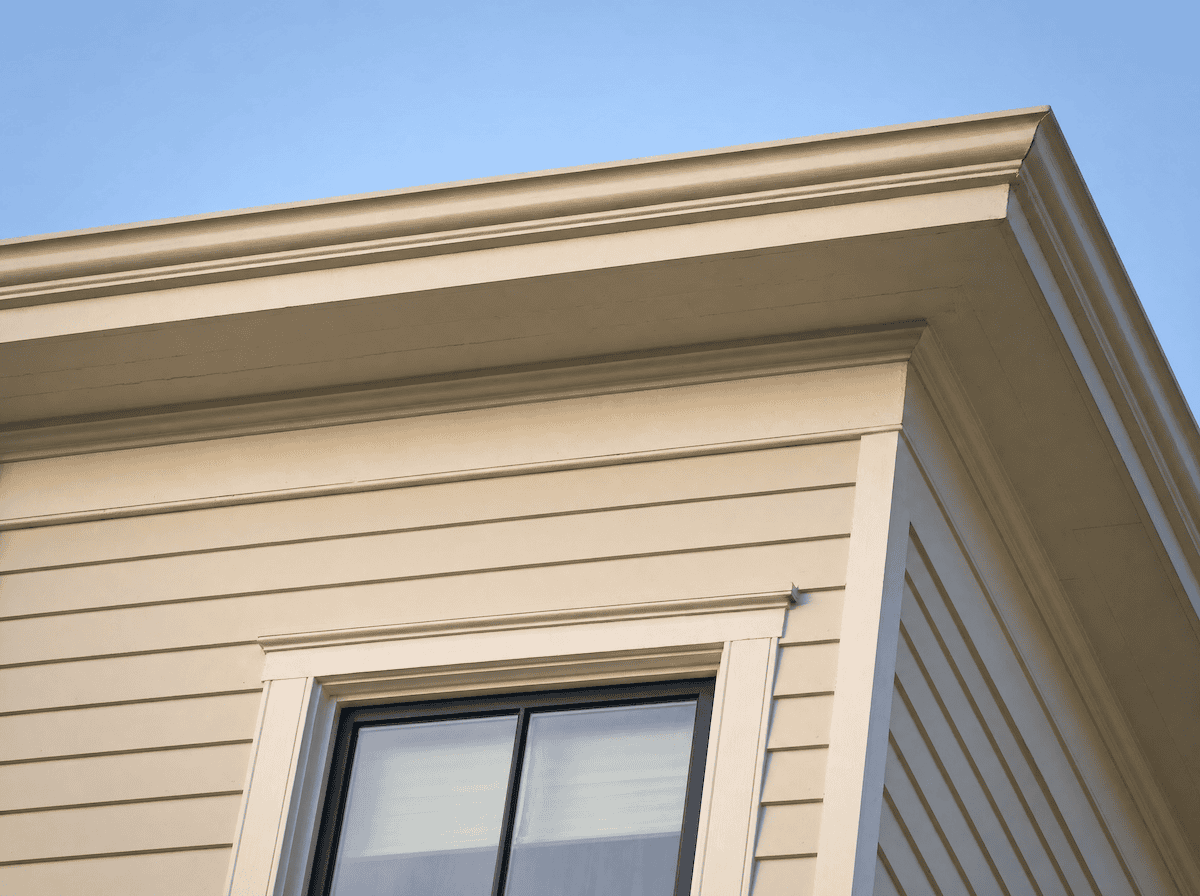
- If crown moulding is detailed and traditional, baseboards and casings should carry at least some level of softness or depth
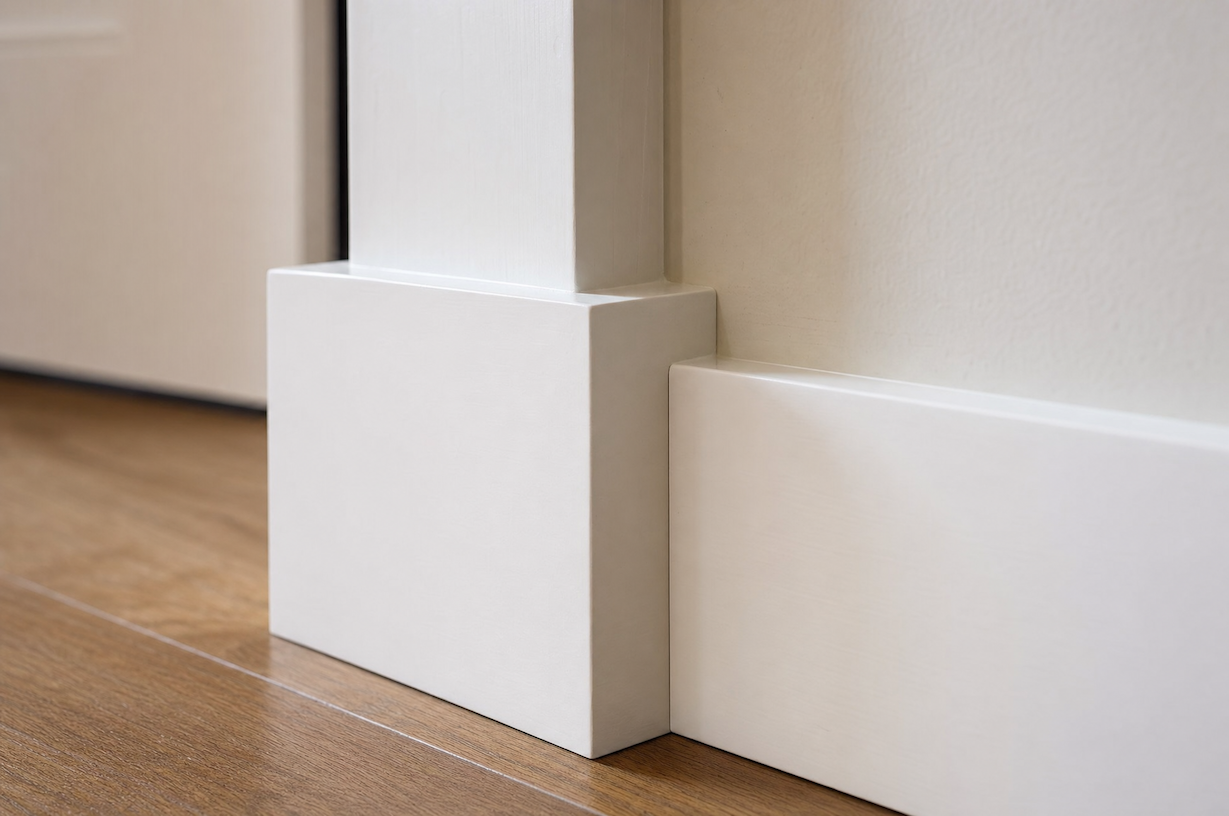
- If baseboards are flat and modern, casings and wall trim should stay relatively clean as well
This creates variation while still feeling connected.
Mix Profile Complexity Carefully
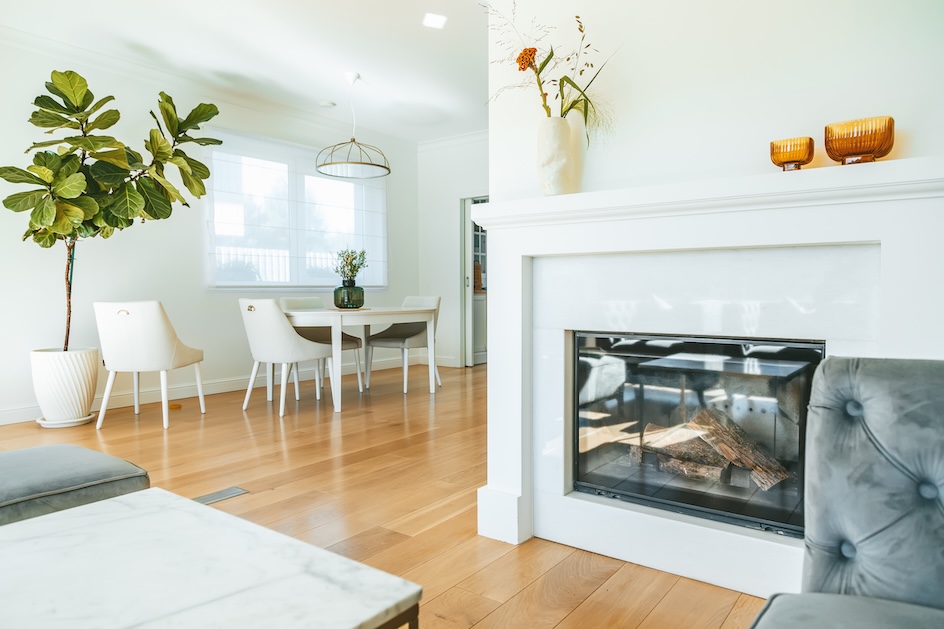
Not all trim should have the same visual weight.
One of the best ways to mix styles successfully is by varying complexity rather than changing style direction entirely.
For example:
- You can pair slightly detailed crown moulding with simpler baseboards
- Decorative wall trim can work with cleaner casings
- Wider craftsman-style trim can pair with understated crown moulding
What usually does not work is having every trim element compete equally for attention.
Rooms feel more balanced when one element leads and the others support it.
Trim is not just decoration. It is structure for the way we experience a room.
Keep Proportions Consistent
Even when trim profiles differ, proportions should still feel related.
This is where many homeowners accidentally create mismatch. A home may have:
- Thin modern baseboards
- Oversized traditional casings
- Tiny crown moulding
Individually, those pieces may look attractive. Together, they feel disconnected because the scale relationships do not align.
Proper proportion is what ties mixed trim styles together.
For example:
- Taller ceilings can support larger crown moulding and wider casings
- Smaller rooms usually benefit from more restraint
- Wider baseboards often pair better with more substantial casings
Consistency in scale is often more important than matching exact profiles.
Use Color and Finish to Create Unity
Paint color is one of the strongest tools for blending different trim styles.
Painting all trim the same color immediately creates cohesion, even when profiles vary slightly. This is one reason painted trim is so common in layered or transitional interiors.
Many homeowners comparing painted vs stained trim discover that painted finishes offer more flexibility when combining different moulding styles.
Stained trim can still work beautifully, but it requires stronger consistency in wood tone and profile selection to avoid visual fragmentation.
When mixing styles, unified color often becomes the “glue” that ties everything together.
Trim is not just decoration. It is structure for the way we experience a room.
Mixing Modern and Traditional Trim
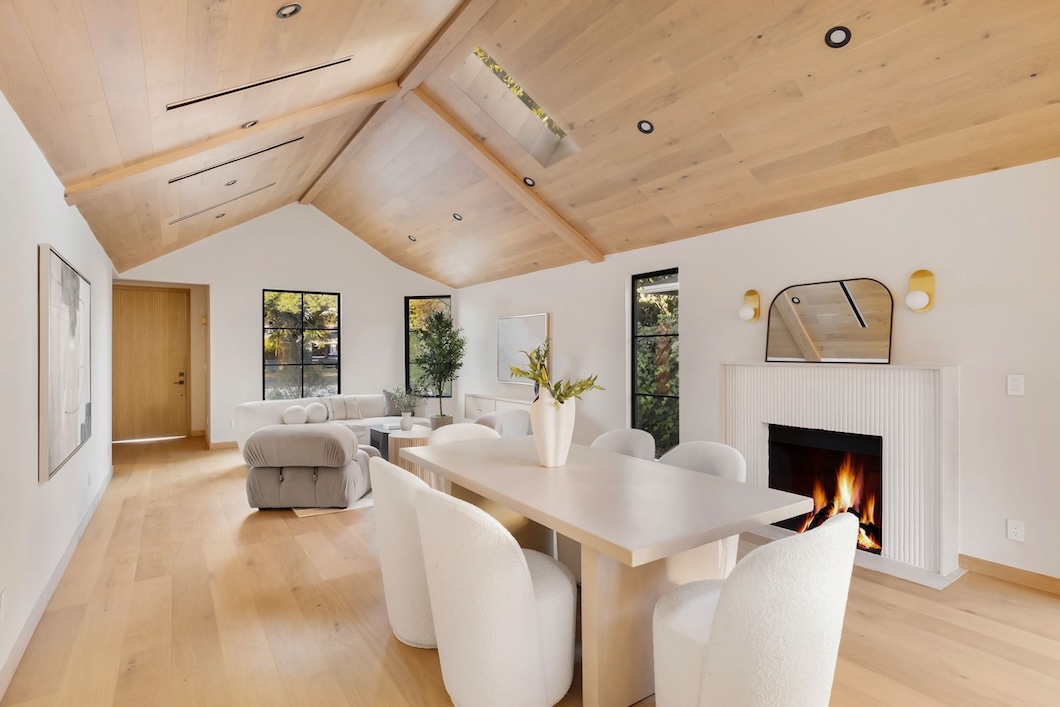
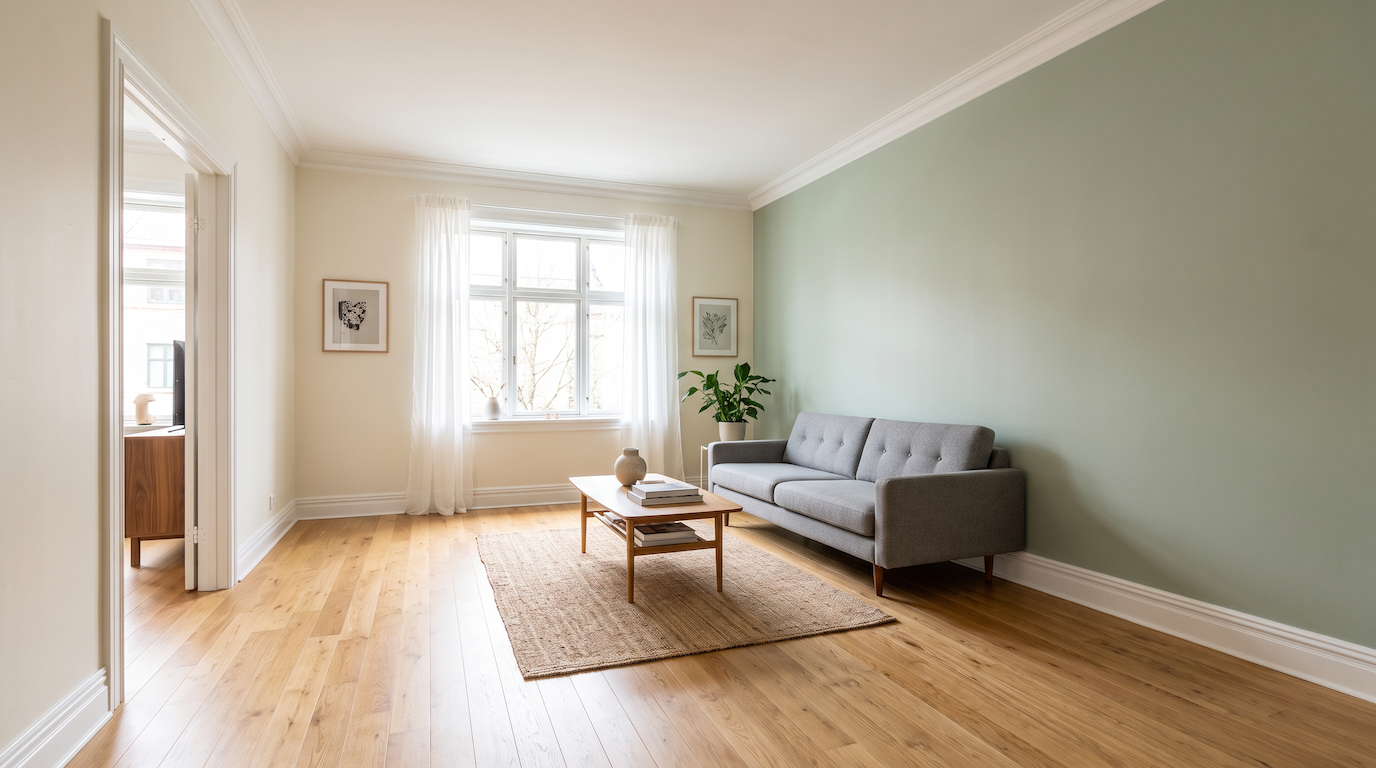
Blending modern and traditional trim is extremely popular right now, especially in transitional homes.
The trick is moderation.
A good transitional mix often includes:
- Cleaner baseboards
- Slightly softened casings
- Subtle crown moulding
- Minimal but intentional wall trim
This creates warmth without excessive ornamentation.
Problems usually happen when homeowners combine extremes instead of blending influences gradually.
A room should feel layered, not conflicted.
Wall Trim and Panels Require Extra Balance
Adding decorative wall moulding or panel trim changes the visual weight of the room significantly.
Because wall trim already adds detail, surrounding trim often benefits from being simpler. Highly ornate crown moulding combined with complex wall panels can quickly overwhelm the space.
This is especially important in hallways, dining rooms, and entryways where walls are highly visible.
Good layered design always leaves room for the eye to rest.
Transitions Between Rooms Matter
One of the biggest challenges when mixing trim styles is handling transitions between spaces.
Open-concept homes require especially careful coordination because multiple rooms are visible at once. Sudden changes in trim style can make the home feel disconnected.
Instead of abrupt shifts, transitions should feel gradual.
For example:
- Dining rooms may have slightly more decorative trim than nearby living spaces
- Hallways may simplify trim to improve flow
- Feature walls can introduce detail without changing the entire home’s trim language
This creates variety while maintaining continuity.
Trim is not just decoration. It is structure for the way we experience a room.
Casings Help Everything Feel Connected
Doorways are transition points, which means interior door and window casings play a huge role in blending trim styles.
Consistent casing proportions help unify different rooms even when other trim details vary slightly. This is especially important in hallways where multiple openings are visible together.
Casings often become the visual bridge between different trim treatments.
When Simplicity Is the Better Choice
Sometimes the best way to mix trim styles is to simplify rather than add more.
If a room already has:
- Strong flooring patterns
- Statement lighting
- Textured walls
- Decorative furniture
then cleaner trim often works better.
Trim should support the room, not compete with everything inside it.
How We Approach Mixed Trim Styles at The Moulding Company
At The Moulding Company, we help homeowners think about trim as a complete composition rather than isolated profiles. We focus on proportion, architectural consistency, and how each room connects to the next.
Mixing trim styles successfully is less about rules and more about relationships. When profiles, proportions, and finishes relate to one another, even varied trim styles can feel cohesive.
Trim is not just decoration. It is structure for the way we experience a room.
Final Thoughts
Mixing trim styles does not automatically create mismatch. In fact, some of the most beautiful interiors combine different profiles intentionally.
The key is maintaining consistency in architecture, proportion, and finish. Baseboards, casings, crown moulding, and wall trim should feel connected even when they are not identical.
At The Moulding Company, we believe the best interiors are not perfectly matched. They are thoughtfully balanced. When trim styles work together instead of competing, the entire home feels more custom, layered, and refined.
Frequently Asked Questions (FAQs)
Yes. Different trim styles can work together when they share similar proportions, finishes, and architectural direction.
No. Trim should feel cohesive, but it does not need to be identical throughout the home.
Using consistent proportions, coordinated finishes, and related profile shapes helps different trim styles feel connected.
Painted trim often makes it easier to blend different profiles because the consistent color creates visual unity.
Transitional homes usually work best with clean profiles that combine subtle traditional detail with modern simplicity.