



Blog
A Complete Guide to Crown Moulding Styles and Installation


Crown moulding has a way of transforming a room more than almost any other trim detail. It frames the top of your walls, adds architectural beauty, enhances proportions, and gives every space a polished, intentional look. Whether you love the elegance of traditional designs or the clean lines of modern interiors, Crown Moulding can redefine the atmosphere of your home with very little effort.
This guide explores everything from selecting moulding styles to installing them correctly, along with creative ways to use crown moulding on ceilings, cabinetry, built-ins, and fireplace mantels. It also includes design advice, material comparisons, and smart ideas for choosing moulding that fits your home’s architecture. As you read, you will also come across helpful links and resources from The Moulding Company, making it easy to explore products or services whenever inspiration strikes.
Understanding Crown Moulding and Why It Matters
At its most basic level, crown moulding is trim installed along the upper edge of a room where the wall meets the ceiling. While simple in concept, it dramatically enhances a room’s architectural detail. Historically, crown moulding added grandeur to formal spaces, but today it is used in every type of home, from modern apartments to traditional family homes.
What Crown Moulding Does for a Room
- Creates a smooth, elegant transition between walls and ceilings
- Adds visual height to any room
- Brings traditional or modern architectural character
- Makes a space feel finished and more intentional
- Helps disguise uneven ceiling or wall joints
Even in homes with straightforward construction, crown moulding introduces personality and sophistication without requiring a major renovation.
Choosing the Right Crown Moulding Style
There is no single type of crown moulding that fits every home. Instead, moulding styles vary by shape, size, and design intent. Below you will find a simple breakdown of the most popular options, along with where they work best.
Classic and Traditional Profiles
Traditional crown moulding remains a favorite because of its curves and layered shapes. These profiles bring elegance and warmth to living rooms, dining rooms, hallways, and primary bedrooms. If your home has paneling, wainscoting, or a wood fireplace mantel, traditional moulding fits beautifully.
Traditional styles also pair well with crown moulding corner blocks, which add decorative interest and simplify installation in detailed rooms.
Modern and Minimal Profiles
If you prefer a clean and crisp look, modern crown moulding is ideal. These profiles feature straight lines, subtle angles, and simple silhouettes. Modern moulding provides structure without drawing too much attention, which makes it perfect for contemporary homes, remodels, or open-concept layouts.
Painting these mouldings the same color as your ceiling creates a smooth visual line that feels fresh and cohesive.
Cove Crown Moulding
Cove crown moulding features a concave curve that creates a soft, gentle transition between the wall and the ceiling. It works in almost every space and is one of the most versatile profiles available. Many homeowners in South San Francisco and Santa Clara love cove moulding for its clean but classic feel.
Check out crown moulding styles now!
Cabinet Crown Moulding
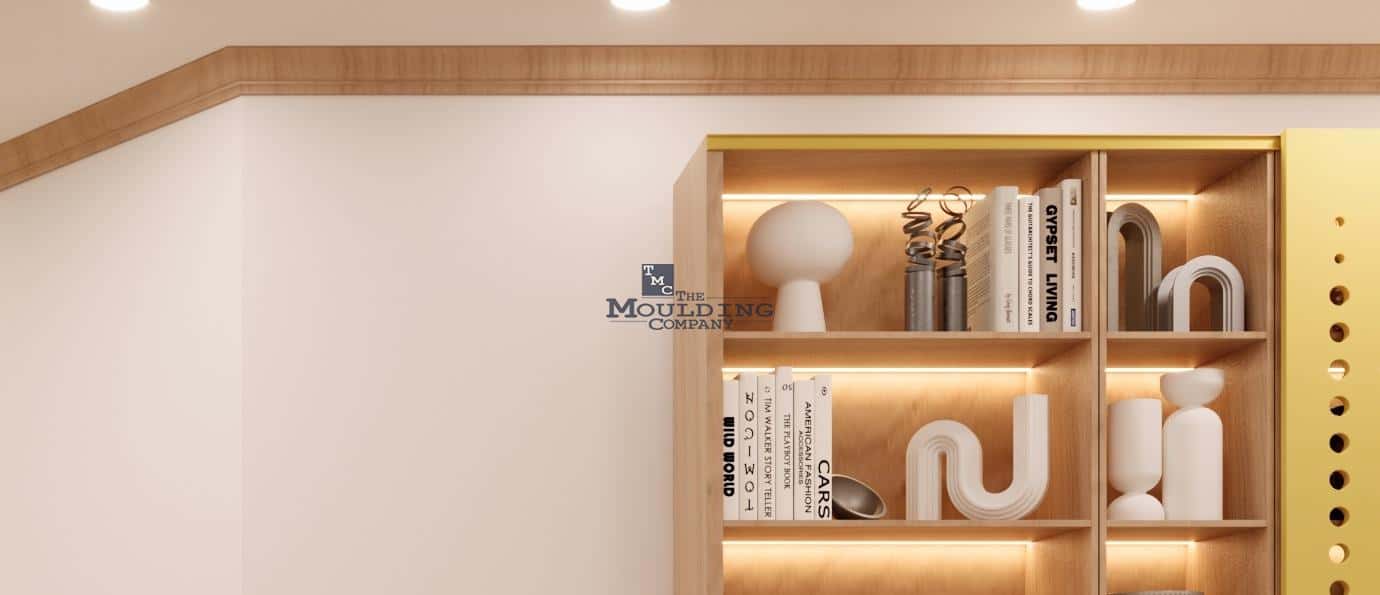
Kitchens gain enormous visual value from crown moulding for cabinets. Instead of letting cabinets end abruptly, moulding adds height and a built-in look. Cabinet moulding also hides gaps and uneven edges near the ceiling.
Cabinet crown moulding works especially well for:
- Kitchens with staggered cabinet heights
- Large or tall kitchens that need visual balance
- Built-ins around fireplaces or media walls
This style pairs beautifully with other trim crown mouldings in the room.
Where to Use Crown Moulding in Your Home
Crown moulding enhances nearly every room. Below are some of the most popular and effective places to install it.
Living Rooms
Living rooms benefit greatly from the presence of crown moulding. It brings harmony to the space and helps draw attention to architectural elements like windows, door casings, and mantels. In homes across Concord and Sacramento, crown moulding remains one of the top interior upgrades for adding character.
Kitchens
Crown moulding in kitchens does more than decorate ceilings. It completes cabinetry, highlights vent hoods, and adds structure to open shelves. When using crown moulding for cabinets, keep the style consistent with your baseboards and door casings for a cohesive look.
Bedrooms
Bedrooms instantly feel more finished with ceiling moulding. It creates a relaxing atmosphere and enhances lighting placement, especially with recessed or indirect lighting.
Hallways and Entryways
Hallways and entryways can feel plain, but a small amount of crown moulding transforms these areas into inviting, polished spaces. Even narrow hallways benefit from simple, understated profiles.
Fireplaces
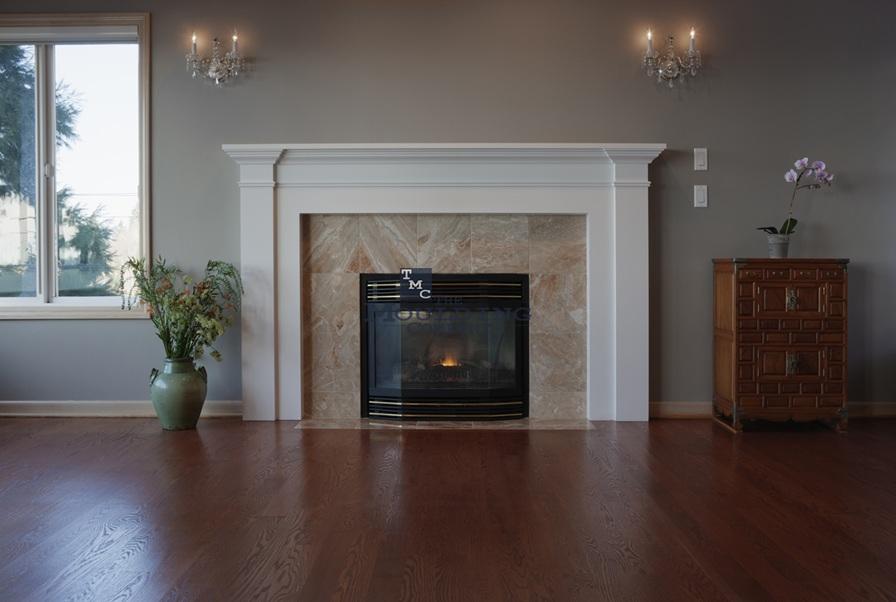
Adding moulding to a mantel or surround gives your fireplace a stronger presence.
Homes that feature wood fireplace mantel crown moulding often appear more balanced and visually rich. This detail ties into door casings, baseboards, and ceiling moulding, helping the entire room feel integrated.
Design Tips for Choosing Crown Moulding
Selecting the right moulding involves more than choosing a profile. Here are practical design considerations to help guide your decision.
Match the Moulding to Your Home’s Architecture
A craftsman home might use clean, stepped profiles. A Victorian home may use detailed curves. A modern home may prefer flat, streamlined moulding.
Aligning moulding with your architecture creates a natural flow.
Consider Ceiling Height
- Tall ceilings can support larger, more dramatic mouldings
- Standard ceilings often look best with midsized or simple profiles
- Low ceilings benefit from slimmer moulding painted the same color as the ceiling
The right scale ensures your moulding feels balanced, not overwhelming.
Think About Your Wall and Ceiling Colors
Neutral colors give crown moulding a traditional appearance. Blending moulding into your walls creates a modern effect. Using bold paint colors can highlight your trim without overpowering the room.
If you are unsure which direction to choose, our team is happy to help when you visit any of our showrooms listed on the Locations page.
Installation Overview: How to Install Crown Moulding
Many homeowners want to understand what is involved in installing crown moulding. While professionals can complete the job quickly, the steps below outline the basics of how to install crown moulding.
1. Measure Carefully
Accurate measurements ensure clean lines and tight corners. Sketching your wall lengths helps plan each cut.
2. Cut the Moulding Angles
Inside and outside corners require angled cuts. A miter saw is the best tool for this job.
If you want to avoid complex miter cuts, crown moulding corner blocks make installation much easier and add a decorative touch.
3. Secure the Moulding
Use finish nails or adhesive depending on the surface. Always secure moulding into the studs when possible.
4. Fill and Smooth Gaps
Caulk, wood filler, and sanding help blend edges and create a finished look.
5. Paint or Touch Up
Using high quality crown mould paint gives your moulding a crisp finish. Many homeowners prefer a semi-gloss sheen for easier cleaning.
If you prefer professional assistance, you can explore resources on our Contractors page.
How Crown Moulding Works With Other Trim
Crown moulding rarely stands alone. It works beautifully with other architectural trim to create a complete, cohesive look.
Baseboards and Casings
Matching or complementary profiles keep your rooms visually connected. You can explore options at our Shop page.
Picture Rail or Chair Rail
Adding additional trim layers adds sophistication to formal rooms. Crown moulding helps anchor these additional rails.
Custom Trim Combinations
If you want something unique, our Custom Services can build a profile tailored to your design.
Beautiful Crown Moulding Ideas
Here are some ways to incorporate crown moulding creatively.
Use crown moulding with built-in shelves
It frames the shelves and makes them appear custom built.
Extend the height of cabinets with moulding
A favorite in modern kitchen remodels.
Highlight unique ceiling designs
Coffered, vaulted, and tray ceilings all benefit from trim crown moulding.
Pair crown moulding with a fireplace
A classic way to highlight the heart of your home.
Install cove moulding for subtle elegance
Perfect for open-concept areas and contemporary homes.
Where to Buy Crown Moulding
If you are looking for quality moulding that suits your home’s style, The Moulding Company offers one of the largest selections in California. You can browse products online at our Shop page or learn about what makes our team unique on our Why Us page.
If you are renovating in Concord, South San Francisco, Santa Clara, or Sacramento, you can stop by one of our showrooms for hands-on help. County-specific location pages include:
Both DIYers and professionals can find support, inspiration, and resources through our Homeowners and Contractors pages.
Final Thoughts
Crown moulding is one of the simplest ways to enrich your home with architectural detail. Whether you prefer modern, minimal trim or a more traditional, layered look, crown moulding adds elegance and structure to any room. From ceiling crown moulding to cabinet applications and fireplace enhancements, its versatility allows you to shape the atmosphere of your space with just a few added lines.
If you are ready to explore styles, compare profiles, or get help choosing moulding that fits your home, the teams at The Moulding Company in Concord, South San Francisco, Santa Clara, and Sacramento are always here to help.
FAQs
1. What is crown moulding used for?
Crown moulding creates a smooth visual transition between walls and ceilings while adding architectural character. It helps define a room’s design style and makes the space feel more complete and intentional.
2. What rooms benefit most from crown moulding?
Crown moulding works beautifully in living rooms, kitchens, bedrooms, hallways, dining rooms, and entryways. It can also enhance cabinetry, built-in shelving, and fireplace mantels.
3. What is the best material for crown moulding?
Wood is ideal for a rich, natural look, while MDF is great for painted finishes. Polyurethane works well for lightweight installation, and PVC is recommended for moisture-prone areas.
4. Is crown moulding hard to install?
Installation requires careful measuring and angled cuts. Many homeowners install it themselves, but professionals can ensure perfectly aligned corners and a seamless finish. Corner blocks can also simplify installation.
5. Can crown moulding be used on kitchen cabinets?
Yes. Crown moulding for cabinets adds height, conceals gaps, and creates a custom-built appearance. It is one of the most effective ways to elevate the look of upper kitchen cabinetry.