



Blog
The Complete Guide to Moulding and Trim for Homes


At The Moulding Company, we believe moulding and trim are not finishing details. They are defining elements. While paint colors and flooring often get the spotlight, it is moulding that gives a home structure, balance, and architectural identity. Trim connects surfaces, protects walls, and turns empty spaces into thoughtfully designed rooms.
This guide is designed as a complete foundation for understanding moulding and trim in residential spaces. Whether you are planning a renovation, repairing existing trim, or designing a new home, this article explains what moulding is, why it matters, how it is used, and how to choose the right options for long-term value and style.
What Is Moulding and Why Homes Use It
Moulding refers to the trim pieces installed where architectural elements meet or transition. You will find moulding where walls meet floors, walls meet ceilings, and around doors, windows, and built-in features.
Homes use moulding for three primary reasons:
- To create clean visual transitions
- To protect vulnerable wall and surface edges
- To add architectural detail and proportion
Without moulding, rooms often feel unfinished or flat. Trim brings clarity to a space by defining boundaries and adding depth.
The Role of Trim in Interior Design
Trim is more than decoration. It is a design tool. The size, profile, and placement of molding influence how a room feels.
Well-chosen trim can:
- Make ceilings feel taller
- Balance large or open rooms
- Add rhythm to long walls
- Highlight architectural features
This is why trim appears in every design style, from traditional to modern. It adapts without losing its purpose.
Common Types of Moulding Used in Homes
Understanding the main categories of moulding helps you plan each space correctly.
Baseboards
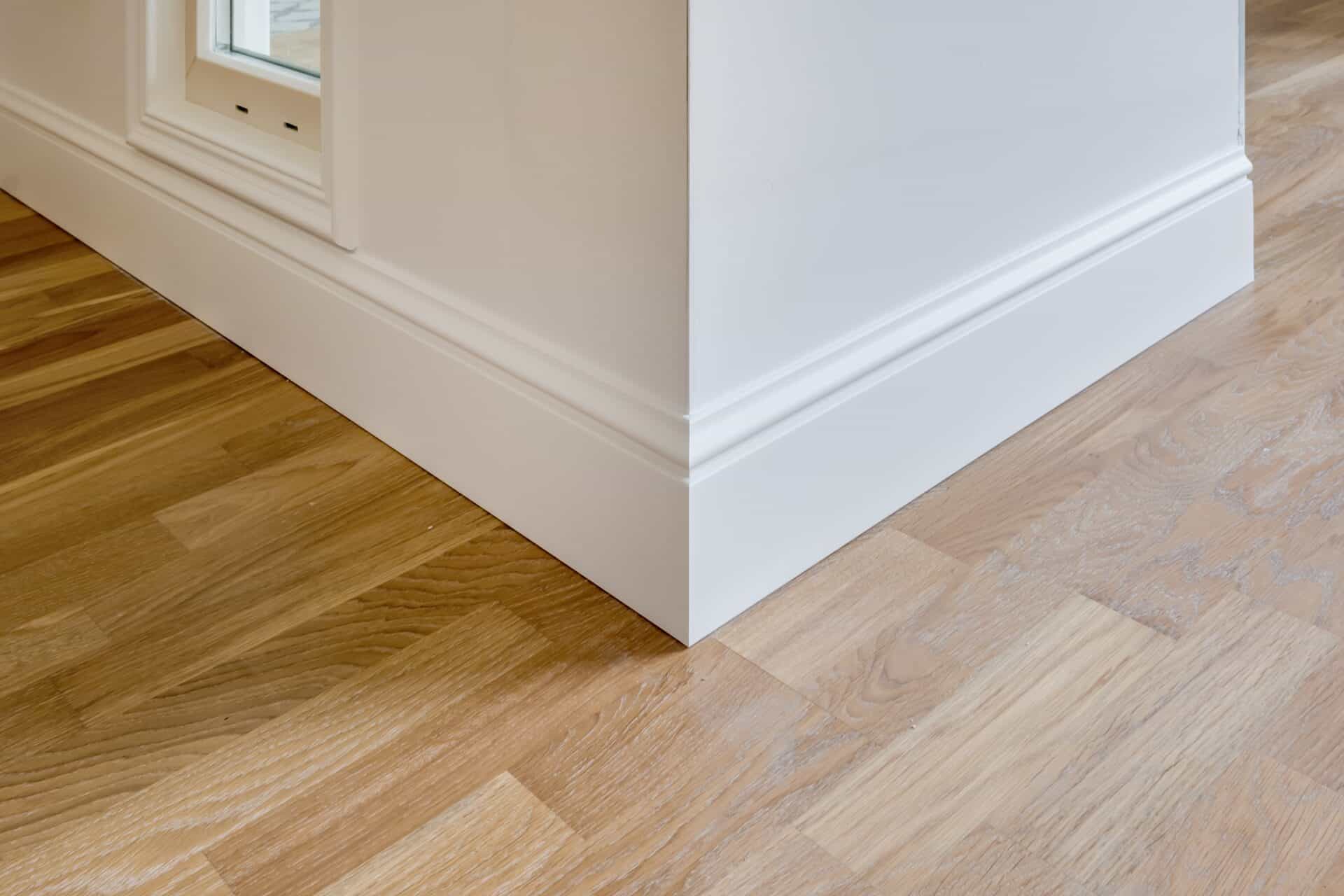
Baseboards sit where walls meet floors. They protect walls from impact and visually anchor a room. Taller baseboards often create a more refined look, while slimmer profiles suit modern interiors.
Crown Moulding
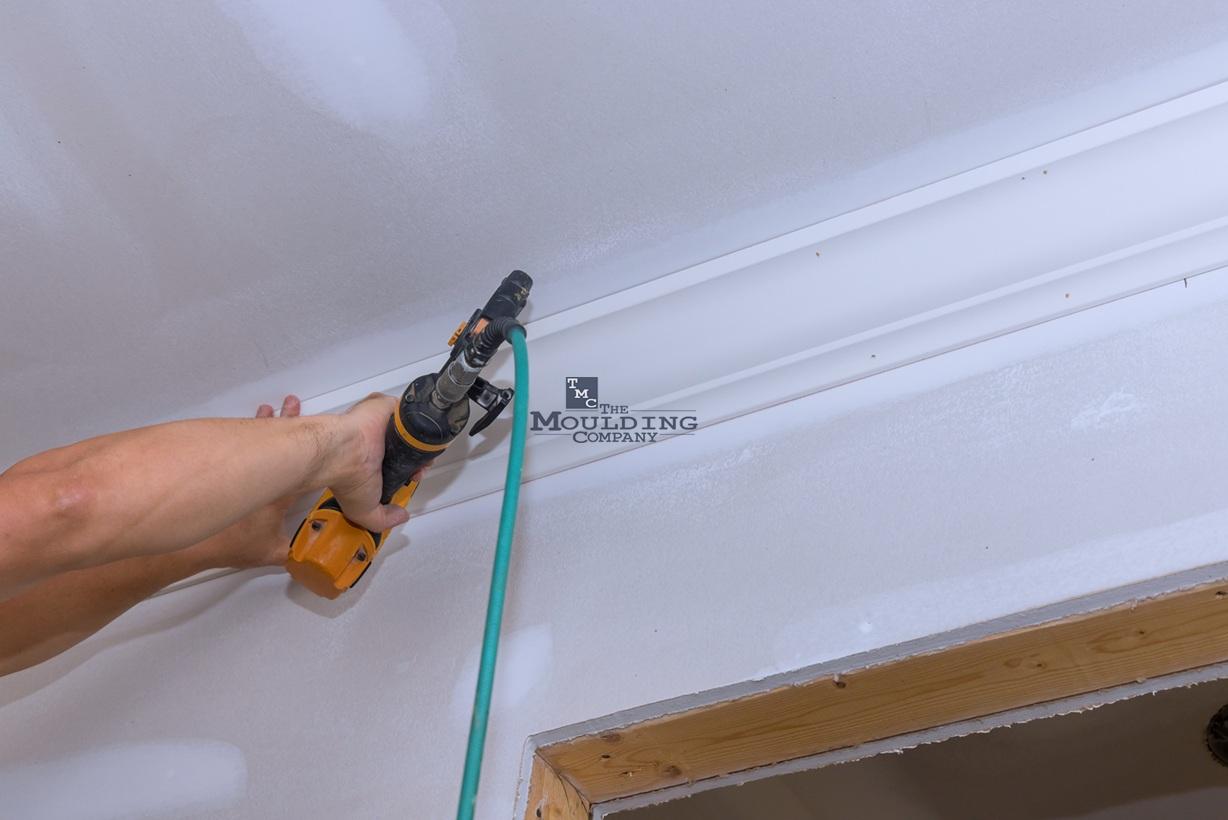
Crown moulding is installed where walls meet ceilings. It softens sharp angles and adds vertical emphasis. Crown moulding is often used in living rooms, dining rooms, bedrooms, and entryways.
Door and Window Casing
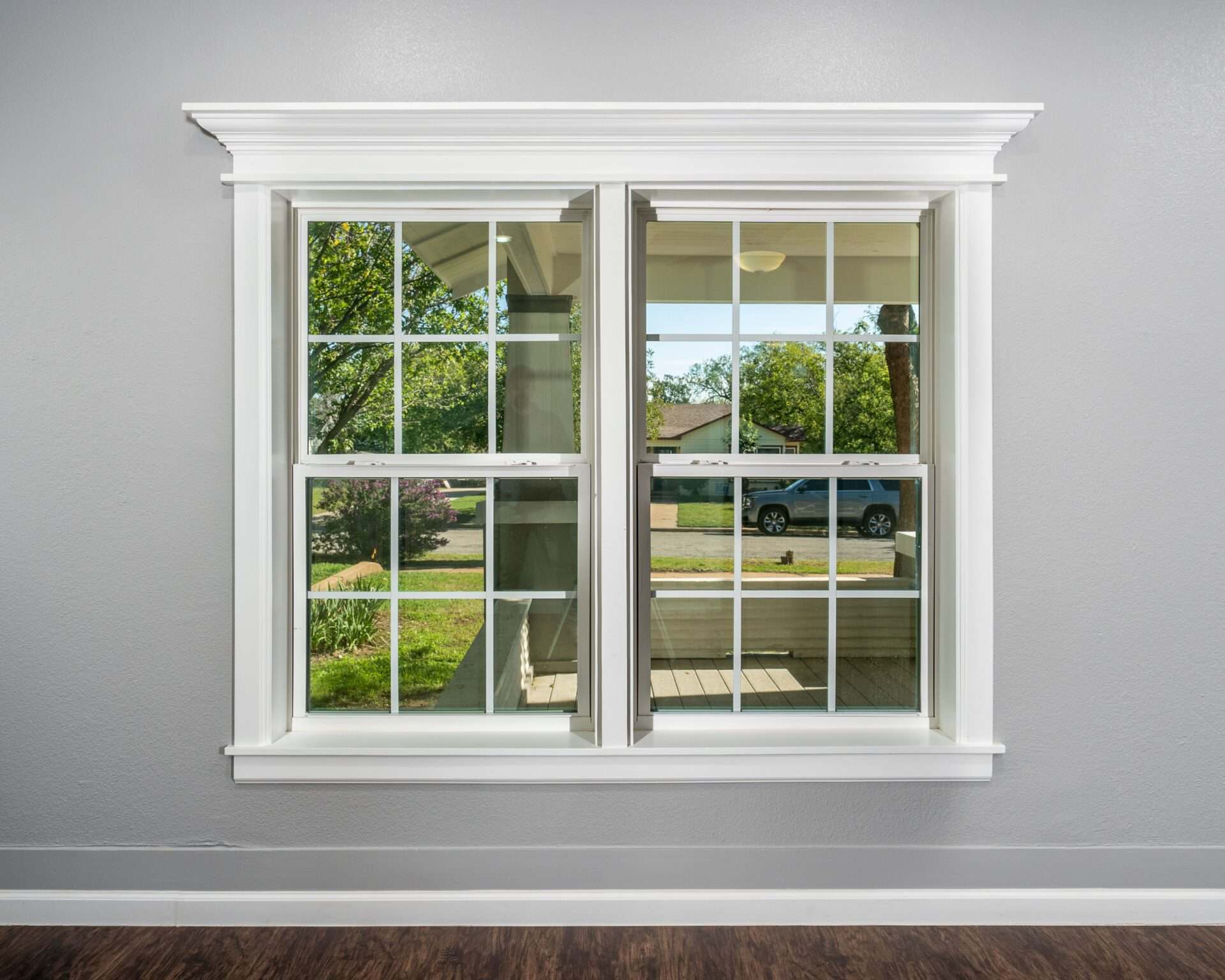
Casing frames openings and hides gaps between drywall and framing. It also creates visual continuity between rooms.
Wainscoting and Wall Trim

Wainscoting and panel moulding cover part of the wall to add protection and architectural interest. These elements are commonly used in dining rooms, hallways, staircases, and entryways.
Shoe Moulding and Floor Trim
Smaller trim pieces like shoe moulding finish the transition between baseboards and flooring. They hide expansion gaps and uneven edges.
Each of these moulding types works best when coordinated rather than chosen in isolation.
Choosing the Right Moulding for Your Home
Selecting moulding is about balance. We help customers consider several factors before making a choice.
Architectural Style
Traditional homes often support detailed profiles, while modern homes benefit from simple, clean lines. Transitional homes can blend both.
Ceiling Height
Higher ceilings allow for larger profiles. Standard ceilings usually look best with moderate trim sizes. Lower ceilings benefit from slimmer moulding to avoid visual crowding.
Room Function
Formal spaces can handle more detail. High-traffic areas benefit from durable, simpler trim that is easier to maintain.
When moulding aligns with architecture and proportions, it feels natural rather than decorative for decoration’s sake.
Moulding Materials and Where They Work Best
Material choice affects durability, appearance, and maintenance.
Wood Moulding
Wood offers warmth and authenticity. It can be stained or painted and is ideal for living spaces, dining rooms, and traditional interiors.
MDF Moulding
MDF is smooth, paint-ready, and cost-effective. It is commonly used for interior trim in dry environments.
PVC Moulding
PVC resists moisture and works well in bathrooms, kitchens, basements, and entryways.
We help customers choose materials based on room conditions and desired finish rather than trends alone.
Design vs Function: Why Moulding Does Both
Historically, moulding was installed for protection and insulation. Today, it still serves that role while adding design value.
Functionally, moulding:
- Protects walls from damage
- Covers gaps and imperfections
- Reinforces structural edges
Visually, moulding:
- Adds depth and shadow lines
- Defines room proportions
- Creates a finished look
This combination explains why moulding remains a constant in residential design.
Installation: DIY or Professional Support
Some trim projects are approachable for DIY, while others benefit from experience and precision.
Projects Often Done by Homeowners
- Baseboards
- Shoe moulding
- Small trim repairs
For planning support and inspiration, we provide dedicated resources through our homeowners page.
Projects That Benefit from Professionals
- Crown moulding installation
- Detailed or layered profiles
- Whole-home trim packages
- Profile matching in older homes
For larger or time-sensitive projects, we work closely with professionals through our contractors resources.
Repair, Maintenance, and Longevity
Trim is built to last, but wear happens. Minor dents, cracks, and separation are common and usually repairable.
Proper installation and quality materials make future repairs easier and extend the life of moulding. Regular maintenance, including repainting and caulking when needed, keeps trim looking sharp for years.
We often help customers decide whether repair or replacement is the better option based on condition and long-term goals.
Custom Moulding and Profile Matching
Not all homes use standard profiles. Older houses and custom builds often require precise matching.
We offer custom services to recreate existing profiles or design new ones. This is especially valuable when extending trim into new rooms or repairing damaged sections while maintaining consistency.
Custom moulding allows design continuity without compromise.
Does Moulding Add Value to a Home?
Moulding contributes to perceived value rather than direct price increases. Homes with well-designed trim feel higher quality, more complete, and better maintained.
Buyers notice details like:
- Crown moulding
- Wainscoting
- Clean baseboards
- Consistent casing
These elements help homes stand out and leave a strong impression.
How We Support Projects from Start to Finish
At The Moulding Company, we do more than supply trim. We help customers plan, source, customize, and receive the right moulding for their projects.
We offer dependable delivery and regional support through our shipping and location services, making it easier to keep projects on schedule.
Our approach and values are explained in more detail on our Why Us page.
If questions come up at any stage, our team is always available through our contact page.
Why Moulding Remains Timeless
Trends evolve, but moulding endures because it solves real design and functional needs. It provides structure, protects surfaces, and introduces craftsmanship into spaces that would otherwise feel flat.
From subtle modern trim to classic architectural profiles, moulding adapts without losing relevance.
Final Thoughts
Moulding and trim play a critical role in how a home looks, feels, and functions. They define transitions, protect surfaces, and bring architectural clarity to every room. Understanding the types of moulding, materials, and design considerations allows homeowners and professionals to make decisions that stand the test of time.
At The Moulding Company, we are proud to help shape homes through quality moulding solutions that combine craftsmanship, function, and lasting style.
FAQs
1. What is moulding and trim used for in homes?
Moulding and trim create clean transitions between surfaces, protect walls from damage, and add architectural detail. They help rooms feel finished, balanced, and intentionally designed.
2. What are the most common types of moulding?
Common moulding types include baseboards, crown moulding, door and window casing, wainscoting, and shoe moulding. Each serves a specific purpose and works together to create a cohesive interior.
- Which moulding material is best for a home?
The best material depends on the space. Wood offers warmth and durability, MDF works well for painted interiors, and PVC is ideal for moisture-prone areas like bathrooms and kitchens.
4. Does moulding really add value to a home?
Moulding adds perceived value by making a home feel more refined and well-maintained. While it may not directly increase price, it improves overall appeal and buyer perception.
5. Can moulding be repaired instead of replaced?
Yes. Many types of moulding damage can be repaired, including dents, cracks, and loose sections. Replacement is usually needed only when moulding is severely damaged or warped.