



Blog
Interior Trim Styles Explained: Modern, Traditional, Craftsman


At The Moulding Company, we often hear homeowners say they know they want new trim, but they are not sure what style fits their home. Interior trim does much more than cover edges. It defines character, reinforces architectural identity, and connects rooms visually. Choosing the right trim style can make a home feel intentional and cohesive, while the wrong choice can feel disconnected, even if the materials are high quality.
This guide explains the three most common interior trim styles found in homes today: modern, traditional, and craftsman. We will walk through how each style looks, how it uses baseboards, crown moulding, and casings, and how to decide which approach works best for your space.
Why Interior Trim Style Matters
Trim repeats throughout a home. Baseboards line every room. Casings frame every door and window. Crown moulding, when used, becomes a defining architectural feature. Because trim elements appear so often, style decisions are amplified.
Interior trim style affects:
- How finished a space feels
- Whether rooms feel cohesive or disconnected
- How well trim aligns with ceilings, floors, and doors
- The long-term visual appeal of the home
Understanding trim styles before selecting profiles helps avoid mismatched details and costly changes later.
Modern Interior Trim Style
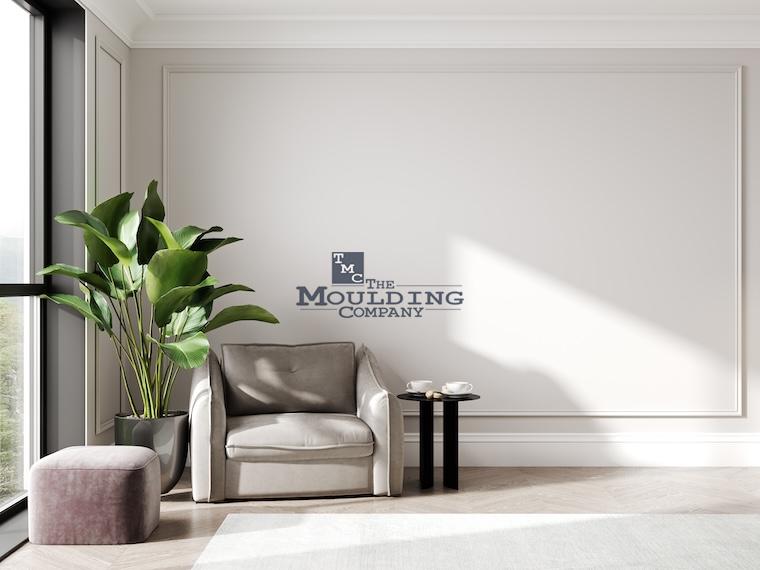
Modern trim is defined by simplicity, clean lines, and restraint. The goal is to support the architecture without drawing unnecessary attention to the trim itself.
How Modern Trim Looks
- Flat or square profiles
- Minimal detailing
- Crisp edges
- Consistent proportions
Modern trim works well in contemporary homes, new construction, and updated interiors where simplicity is a priority.
Modern Baseboards
Modern spaces typically use simple, flat baseboards with little to no ornamentation. These profiles emphasize clean transitions rather than decoration.
When planning modern spaces, choosing the right baseboard trim finish options helps maintain a streamlined look without visual clutter.
Modern Crown Moulding
Many modern homes skip crown moulding entirely. When it is used, it tends to be small, flat, and subtle. The purpose is to soften the ceiling line without adding traditional detail.
In these cases, selecting restrained crown moulding finish choices ensures the moulding enhances the room without overpowering it.
Modern Door and Window Casings
Casings in modern interiors are usually flat stock with sharp corners. The focus is on alignment and proportion rather than profile detail.
Well-chosen interior casing trim finishes help doors and windows feel integrated rather than framed as decorative features.
Traditional Interior Trim Style
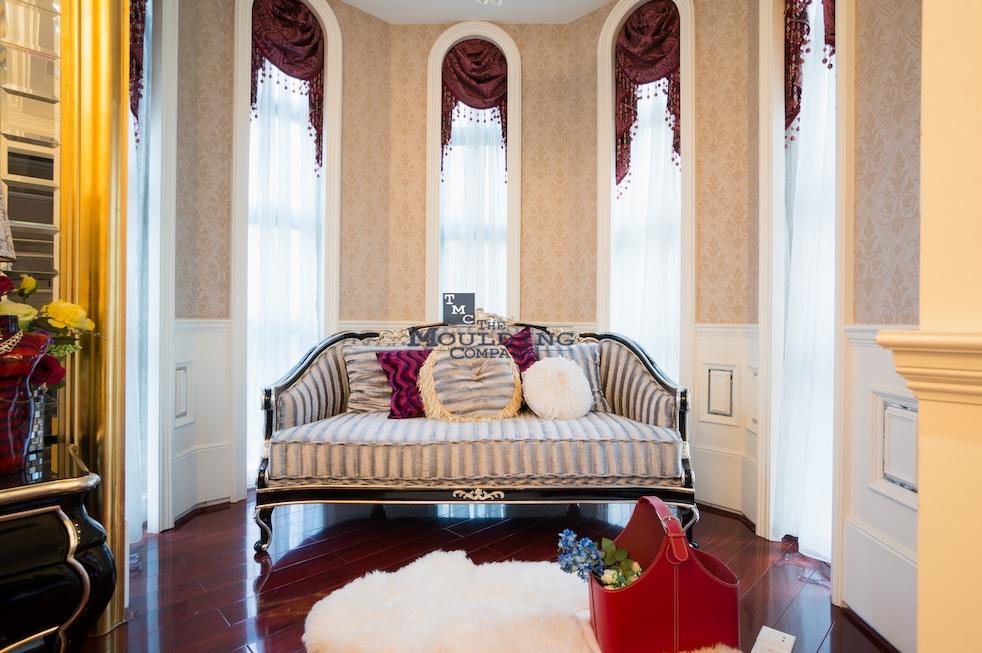
Classic orinate and traditional interior trim style and design
Traditional trim is rooted in classic architecture and decorative detail. It emphasizes depth, proportion, and craftsmanship.
How Traditional Trim Looks
- Stepped or contoured profiles
- Decorative edges
- Layered trim elements
- Strong visual presence
Traditional trim works well in older homes, formal interiors, and spaces designed to feel elegant and timeless.
Traditional Baseboards
Baseboards in traditional homes are often taller and more detailed. They anchor the room and establish a sense of structure.
Traditional interiors often benefit from carefully chosen baseboard trim finish options that balance detail with room size and ceiling height.
Traditional Crown Moulding
Crown moulding is a hallmark of traditional design. Profiles are often layered, curved, or stepped, adding visual weight near the ceiling.
Exploring classic crown moulding finish choices allows homeowners to reinforce architectural character while maintaining proportion.
Traditional Door and Window Casings
Casings in traditional homes often feature backbands, reveals, and decorative edges. Windows and doors become architectural statements rather than simple openings.
Using well-proportioned interior casing trim finishes helps maintain consistency throughout the home.
Craftsman Interior Trim Style
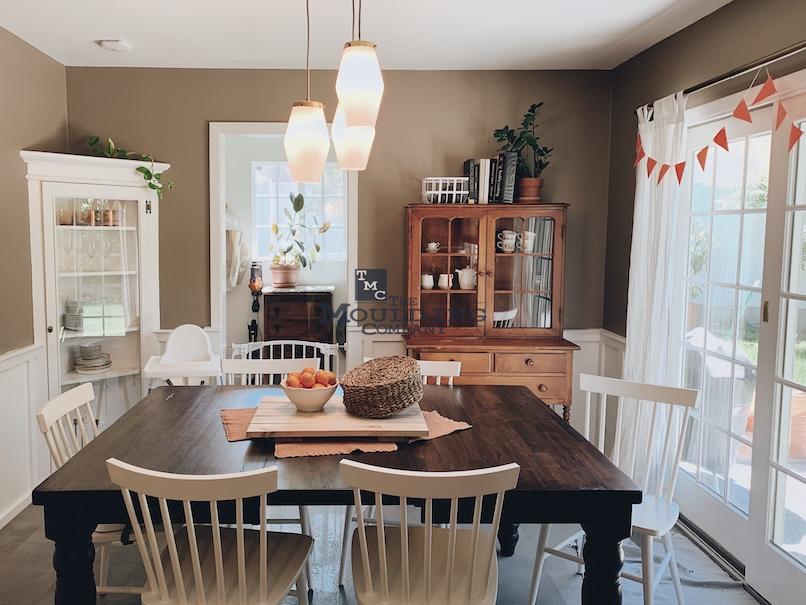
Craftsman trim sits between modern simplicity and traditional ornamentation. It emphasizes solid proportions, visible structure, and honest materials.
How Craftsman Trim Looks
- Wide, flat boards
- Minimal curves
- Strong horizontal and vertical lines
- Emphasis on craftsmanship
Craftsman trim works especially well in bungalows, historic homes, and interiors inspired by early 20th-century design.
Craftsman Baseboards
Craftsman baseboards are usually wide and flat with clean edges. The visual weight comes from size rather than profile detail.
Choosing durable baseboard trim finish options helps preserve the bold look craftsman style is known for.
Craftsman Crown Moulding
Crown moulding in craftsman homes is typically simple or omitted entirely. When used, it is subtle and rectangular, reinforcing structure rather than decoration.
Selecting understated crown moulding finish choices ensures ceilings feel complete without appearing ornate.
Craftsman Door and Window Casings
Casings are often wide and flat, sometimes paired with simple headers. Doors and windows feel grounded and substantial.
Using consistent interior casing trim finishes helps maintain the strong architectural rhythm craftsman interiors rely on.
How to Choose the Right Trim Style for Your Home
Choosing a trim style is less about trends and more about context.
Consider:
- The age and architecture of the home
- Ceiling height and room size
- Existing floors and doors
- Whether the space is formal or casual
Modern trim works best when the architecture is simple. Traditional trim supports homes with decorative roots. Craftsman trim fits homes that emphasize structure and craftsmanship.
Mixing Trim Styles Carefully
Some homes successfully blend styles, but this requires planning.
Common successful combinations include:
- Modern baseboards with simple crown moulding
- Craftsman casings with minimal crown moulding
- Traditional trim in formal spaces and simpler trim elsewhere
The key is consistency within a space and clear intention across the home.
Material and Finish Considerations
Regardless of style, trim materials and finishes matter.
- MDF is ideal for painted modern and traditional trim
- Wood is preferred for craftsman details and stained finishes
- Paint highlights profile shape
- Stain emphasizes material character
Material and finish choices should support the trim style rather than compete with it.
Why Trim Style Impacts Long-Term Value
Trim does not just affect how a home looks today. It shapes how the home is perceived over time.
Homes with cohesive trim styles feel:
- More thoughtfully designed
- Better maintained
- Architecturally intentional
Poorly mixed trim styles can quietly detract from perceived quality.
How We Help at The Moulding Company
At The Moulding Company, we help homeowners and professionals select trim that fits the home, not just the trend. We look at the full picture, including baseboards, crown moulding, and casings, to ensure every element works together.
Our goal is not to push a style, but to help you choose trim that feels right for your space and holds up over time.
Final Thoughts
Interior trim style is one of the most powerful design tools in a home. Modern trim offers simplicity and clean lines. Traditional trim adds elegance and detail. Craftsman trim emphasizes structure and craftsmanship.
When baseboards, crown moulding, and casings are chosen with a clear style direction, the entire home benefits. Trim stops being a background detail and becomes part of the architecture itself.
At The Moulding Company, we believe thoughtful trim choices create homes that feel complete, intentional, and built to last.
FAQs
1. What are the main interior trim styles?
The most common interior trim styles are modern, traditional, and craftsman. Each style uses baseboards, crown moulding, and casings differently to create a distinct look.
2. Can I mix trim styles in one home?
Yes, but mixing trim styles should be intentional. Consistency within rooms and thoughtful transitions between spaces are essential.
3. Which trim style works best for modern homes?
Modern homes typically look best with flat, simple trim profiles that emphasize clean lines and minimal detail.
4. Is crown moulding required for traditional trim?
While not required, crown moulding is a defining feature of traditional interiors and often enhances the overall look.
5. Does trim style affect home value?
Trim style affects perceived quality. Homes with cohesive, well-chosen trim styles often feel more refined and well designed.