



Blog
Door Casing vs Window Trim: What’s the Difference


At The Moulding Company, we often hear homeowners use the terms door casing and window trim interchangeably. While they are closely related and sometimes visually similar, they are not the same thing. Understanding the difference between door casing and window trim is important because each serves a specific purpose, affects how a room is finished, and plays a role in how trim elements work together throughout a home.
Choosing the right casing and trim is not just about appearance. It affects proportions, durability, installation quality, and how cohesive your interior design feels. This guide explains what door casing is, how it differs from window trim, where each is used, and why getting it right makes a noticeable difference.
What Is Door Casing?
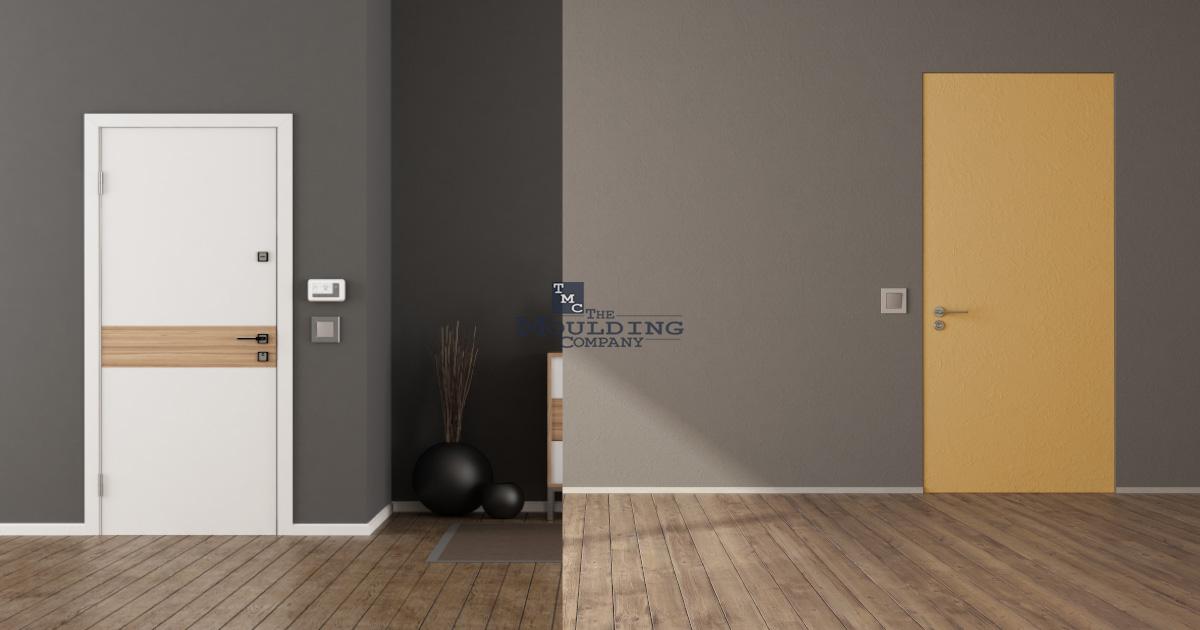
Door casing is the trim installed around a door opening. Its primary job is to cover the gap between the door frame and the wall, hiding the rough edges left during construction. Without casing, the transition from wall to door frame would look unfinished.
Door casing also adds visual weight to the doorway. It frames the opening, defines the door’s presence in the room, and helps doors feel intentional rather than simply functional.
In most homes, door casing is installed on both sides of interior doors and around exterior doors as well. The profile, width, and style of the casing influence how formal or simple a doorway feels.
What Is Window Trim?
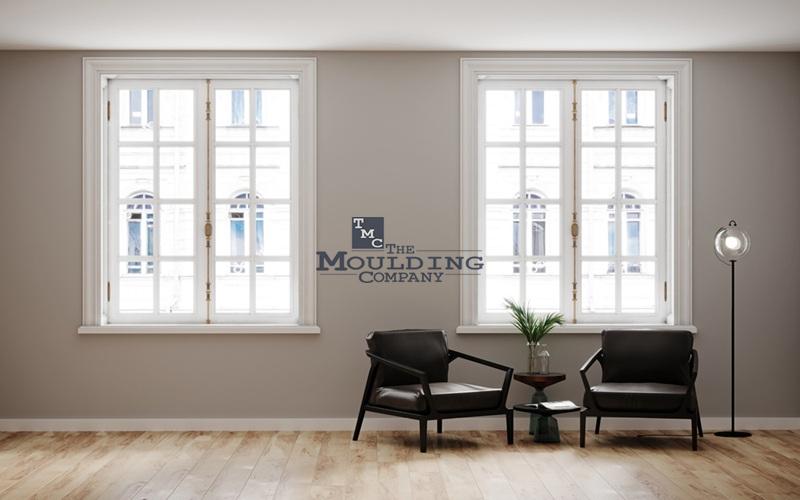
Window trim serves a similar purpose but around windows instead of doors. It covers the gap between the window frame and the wall and provides a finished edge around the opening.
While window trim and door casing often share similar profiles, window trim must account for additional considerations such as window stools, aprons, and sill depth. These extra components affect how the trim is built and installed.
Window trim also plays a major role in how light, views, and wall space are visually framed. Well-proportioned window trim enhances the architecture of a room and draws attention to natural light rather than distracting from it.
Door Casing vs Window Trim: The Core Difference
The main difference between door casing and window trim is function and configuration, not appearance alone.
Door casing:
- Frames a vertical opening used for movement
- Must align with door hardware and swing
- Usually runs from floor to header
- Often appears more frequently throughout the home
Window trim:
- Frames an opening designed for light and ventilation
- Includes horizontal elements like stools and aprons
- Must accommodate wall depth and sill projection
- Plays a stronger visual role on exterior walls
Even when the profiles match, the way each is constructed and installed differs.
Why the Difference Matters
Understanding the distinction matters for several reasons.
Design Consistency
When door casing and window trim are chosen intentionally, they work together to create a cohesive trim package. When they are treated as interchangeable without considering proportions, the result can feel off balance.
Proper Proportions
Door casings are typically sized to match door height and traffic flow, while window trim must relate to wall height, sill depth, and window size. Using the wrong scale can make openings feel too heavy or too thin.
Installation Accuracy
Window trim often requires additional parts and precise alignment. Treating it exactly like door casing can lead to awkward transitions or unfinished edges.
How Door Casing Is Typically Designed
Door casing is usually straightforward in construction.
Most interior door casings include:
- Two vertical side pieces
- One horizontal header piece
The profile can be simple and flat or more decorative depending on the style of the home. In modern interiors, flat stock casing is common. In traditional homes, casing may include stepped profiles or subtle curves.
Door casing must also align cleanly with baseboards. The intersection where casing meets baseboard is one of the most noticeable trim details in a room.
How Window Trim Is Typically Designed
Window trim often includes more components than door casing.
A typical window trim assembly may include:
- Side casings
- A top casing or header
- A window stool at the bottom
- An apron beneath the stool
These elements work together to create a finished window that feels built in rather than inserted into the wall.
Because windows draw the eye naturally, the trim around them tends to have a greater visual impact than door casing. Poorly sized window trim is easy to notice, especially in rooms with multiple windows.
Should Door Casings and Window Trim Match?
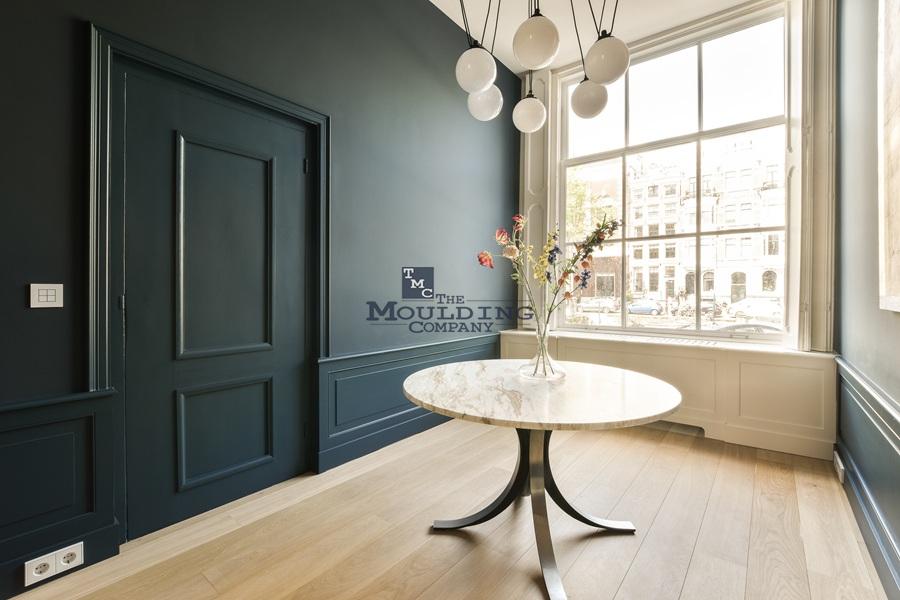
In most homes, yes, they should coordinate, but that does not mean they must be identical in every detail.
Matching profiles creates consistency, but window trim often needs slight adjustments in width or projection to accommodate stools and sills. This is normal and expected.
What matters most is that the design language stays consistent. If door casings are clean and modern, window trim should follow the same approach. If door casings are detailed and traditional, window trim should reflect that character.
Room by Room Considerations
Living Rooms
Living rooms often contain both doors and multiple windows, making trim coordination especially important. Consistent casing profiles help the space feel unified.
Bedrooms
Door casing typically plays a stronger role than window trim in bedrooms, but both should still feel balanced.
Kitchens
Window trim may be more prominent due to sinks and counters below windows. Door casing should support the same style without competing.
Bathrooms
Moisture resistance and clean lines matter here. Window trim details are often simpler, while door casing must still align with baseboards and wall finishes.
Material Choices for Casings and Trim
Both door casing and window trim are commonly made from wood, MDF, or PVC.
- Wood offers durability and warmth
- MDF provides a smooth, paint-ready surface
- PVC works best in moisture-prone areas
Material consistency helps maintain a unified look throughout the home.
Common Mistakes We See
Over the years, we have seen a few recurring issues.
- Using different profiles for doors and windows without intention
- Choosing trim that is too narrow for large openings
- Ignoring how casing meets baseboards
- Treating window trim as an afterthought
Avoiding these mistakes helps create a cleaner and more professional finish.
Why Casings Deserve Special Attention
Casings appear everywhere. Every room with a door or window includes them, which means even small design choices repeat throughout the home.
Well-chosen casings:
- Improve visual flow from room to room
- Enhance architectural character
- Help trim feel cohesive rather than piecemeal
This is why casing selection should never be rushed.
Custom Solutions and Profile Matching
Not all homes use standard casing profiles. Older homes and renovations often require matching existing trim.
At The Moulding Company, we regularly help recreate or customize casing profiles so repairs and additions blend seamlessly. Custom casing ensures that new work feels original to the home rather than added later.
Why This Difference Impacts Long-Term Value
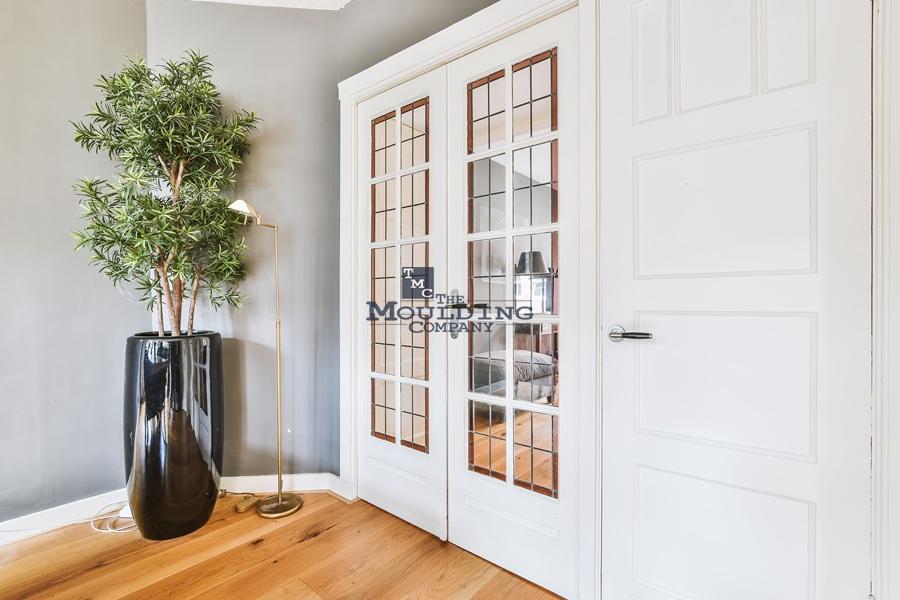
Trim details influence how finished and well-built a home feel. Buyers may not always identify casing profiles by name, but they notice when trim feels cohesive and intentional.
Door casing and window trim that work together elevate the entire interior. Mismatched or poorly scaled trim can quietly detract from perceived quality.
Final Thoughts
Door casing and window trim may seem similar, but they serve different roles and deserve thoughtful consideration. Door casing frames movement and structure, while window trim frames light and views. When chosen and coordinated correctly, they work together to define the architecture of a home.
At The Moulding Company, we believe trim details matter because they repeat throughout the space and shape how rooms feel day after day. Understanding the difference between door casing and window trim allows homeowners and professionals to make smarter decisions that lead to cleaner, more cohesive interiors.
FAQs
1. What is the difference between door casing and window trim?
Door casing frames door openings and hides gaps between the wall and door frame. Window trim frames window openings and often includes additional elements like stools and aprons.
2. Should door casing and window trim match?
They should coordinate in style and proportion. While the profiles often match, window trim may be slightly adjusted to accommodate sills and wall depth.
3. Is door casing necessary in a home?
Yes. Door casing is essential for covering construction gaps and creating a finished, intentional look around doors.
4. Does window trim affect how a room looks?
Yes. Window trim plays a major visual role by framing light and views. Well-proportioned trim enhances the overall balance of a room.
5. Can old door casing be matched in renovations?
Yes. Existing casing profiles can often be matched or recreated, especially when working with a moulding specialist.