



Blog
Baseboard vs Crown Moulding: When to Use Each in Your Home


At The Moulding Company, one of the most common questions we hear is whether a home really needs both baseboards and crown moulding. Homeowners often ask which one matters more, when to use each, and how to choose the right style without overdoing it. The truth is that baseboards and crown moulding serve different purposes, and understanding when to use each can make a significant difference in how a space looks and functions.
This guide breaks down the real differences between baseboards and crown moulding, explains when each one makes sense, and helps you decide how to use them together for a balanced, finished home. Whether you are planning a renovation, building new, or updating trim room by room, this article is designed to give you clear direction and practical insight.
What Are Baseboards and Why Do Homes Use Them?
Baseboards are the trim installed where the wall meets the floor. They are one of the most essential moulding elements in a home and are almost always installed, even in the simplest interiors.
From a functional standpoint, baseboards protect walls from everyday wear. Furniture, vacuums, shoes, and foot traffic all take a toll on walls near the floor. Baseboards absorb that impact and keep drywall from chipping or denting.
From a design perspective, baseboards visually anchor a room. They create a clear transition between the vertical wall and horizontal floor, making the space feel grounded and complete. Without baseboards, rooms often feel unfinished, regardless of how well the floors or walls are finished.
Because baseboards are both practical and visual, they are considered a foundational trim element in nearly every home.
Choosing the right interior baseboards for homes helps define the room at floor level while protecting walls from everyday wear and movement.
What Is Crown Moulding and What Does It Do?
Crown moulding is installed where the wall meets the ceiling. Unlike baseboards, crown moulding is not strictly necessary from a functional standpoint, but it plays a powerful design role.
Crown moulding softens the hard angle between wall and ceiling. It adds architectural character, draws the eye upward, and helps rooms feel more intentional and refined. In many homes, crown moulding is what separates a basic room from one that feels finished and thoughtfully designed.
Crown moulding also helps disguise small imperfections where walls and ceilings meet. Slight inconsistencies in drywall or framing are far less noticeable once crown moulding is installed.
Exploring different interior crown moulding options makes it easier to add architectural detail near the ceiling without overwhelming the space.
Baseboards vs Crown Moulding: The Core Differences
While both are trim, baseboards and crown moulding serve very different roles.
Baseboards:
- Protect walls from damage
- Hide floor expansion gaps
- Visually ground a room
- Are typically essential in all rooms
Crown moulding:
- Adds architectural detail
- Enhances ceiling transitions
- Elevates the overall design
- Is optional and style-driven
Understanding this difference is key to deciding where to invest your budget and effort.
When Baseboards Matter More Than Crown Moulding
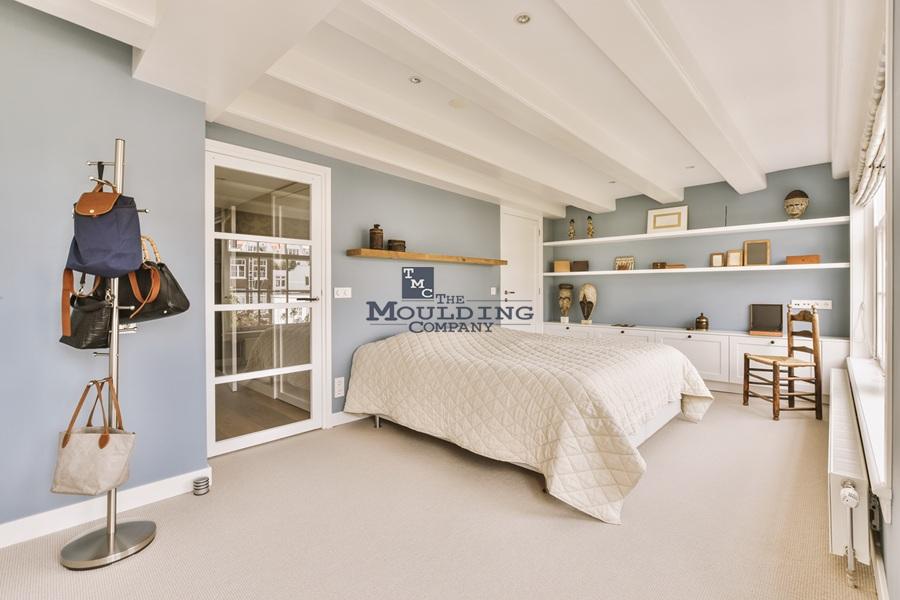
In some situations, baseboards should be the priority.
Homes With Limited Budgets
If you have to choose one, baseboards come first. They are essential for protecting walls and finishing floors. Even simple baseboards make a big impact.
Modern or Minimalist Interiors
Many modern homes skip crown moulding entirely and rely on clean baseboards to define the space. Flat, simple baseboards align well with modern design principles.
Low Ceilings
Rooms with lower ceilings often benefit more from well-scaled baseboards than crown moulding. Large crown profiles can visually lower the ceiling if not chosen carefully.
High-Traffic Areas
Hallways, entryways, and family rooms rely heavily on baseboards for durability and protection.
When Crown Moulding Makes the Bigger Impact
There are times when crown moulding truly shines.
Formal Living Spaces
Dining rooms, formal living rooms, and entryways benefit greatly from crown moulding. These are spaces where architectural detail adds value and presence.
Homes With Taller Ceilings
Crown moulding helps balance tall walls and makes ceiling height feel intentional rather than overwhelming.
Traditional and Transitional Homes
Crown moulding aligns naturally with classic architecture and transitional interiors that blend traditional and modern elements.
Rooms That Feel Incomplete
If a room feels finished at the floor but empty near the ceiling, crown moulding often provides the missing visual connection.
Do You Need Both Baseboards and Crown Moulding?
In many homes, the answer is yes, but not everywhere.
Using both baseboards and crown moulding creates a framed effect that defines the full height of the room. This approach works especially well in living rooms, dining rooms, primary bedrooms, and open-concept spaces where continuity matters.
However, not every room needs crown moulding. Secondary bedrooms, laundry rooms, and closets often look great with baseboards alone.
The key is consistency. Baseboards should typically run throughout the home, while crown moulding can be added selectively.
How to Choose the Right Styles So They Work Together
One of the biggest mistakes we see is choosing baseboards and crown moulding independently. These elements should complement each other.
Match the Design Language
If your baseboards are simple and modern, choose crown moulding with clean lines. If your baseboards are detailed, crown moulding can be slightly more expressive.
Scale Matters
Taller baseboards generally pair well with more substantial crown moulding. Slim baseboards usually work best with modest crown profiles.
Finish Consistency
Painted trim should share the same finish and sheen for a cohesive look. Stained trim should align in tone and wood species.
If you are unsure how to balance these elements, our team often helps customers plan trim packages that feel intentional rather than pieced together.
Room by Room: Practical Guidance
Living Rooms
Both baseboards and crown moulding work beautifully here. This is one of the best rooms to showcase architectural trim.
Dining Rooms
Crown moulding adds elegance and works especially well with wainscoting or wall trim.
Bedrooms

Primary bedrooms often benefit from crown moulding, while secondary bedrooms may only need baseboards.
Kitchens
Baseboards are essential. Crown moulding is often used on cabinetry instead of the ceiling, depending on ceiling height and layout.
Bathrooms
Baseboards are necessary, but crown moulding depends on moisture levels and ceiling height.
Material Considerations
Baseboards and crown moulding can be made from wood, MDF, or PVC.
- Wood offers warmth and durability
- MDF provides a smooth, paint-ready surface
- PVC is ideal for moisture-prone areas
Choosing the right material ensures longevity and easier maintenance.
Custom Solutions and Profile Matching
Not all homes fit standard profiles. Older homes or renovations often require matching existing trim.
Through our custom services, we help recreate existing baseboards or crown moulding so additions and repairs blend seamlessly.
Custom solutions are especially valuable when adding crown moulding to rooms that already have established baseboards.
Support for Homeowners and Professionals
We work with homeowners who want guidance and inspiration, as well as professionals managing complex projects.
Our homeowners resources help simplify planning and design decisions.
For trade professionals, our contractors page provides access to product support, consistency, and project coordination.
Service Areas and Availability
We support projects across Northern California, with dedicated service in:
We also provide dependable delivery through our shipping and location services to keep projects moving smoothly.
Why Choose The Moulding Company
Choosing the right trim is about more than profiles. It is about guidance, consistency, and long-term results.
Our approach is explained in detail on our Why Us page, where we share how we support projects from selection through completion.
If you have questions or want help planning your trim, our team is always available through our contact page.
Final Thoughts
Baseboards and crown moulding are not interchangeable. Each serves a distinct role, and understanding when to use each helps create homes that feel balanced, durable, and well designed.
Baseboards form the foundation of a room, protecting walls and grounding the space. Crown moulding adds refinement, architectural interest, and a sense of completion near the ceiling. When chosen thoughtfully and used in the right places, they work together to elevate the entire home.
At The Moulding Company, we help homeowners and professionals make these decisions with confidence, ensuring trim choices support both function and style for years to come.
FAQs
1. What is the difference between baseboards and crown moulding?
Baseboards are installed where the wall meets the floor and protect walls from damage. Crown moulding is installed where the wall meets the ceiling and adds architectural detail and visual interest.
2. Do I need both baseboards and crown moulding in my home?
Most homes need baseboards in every room, while crown moulding is optional. Crown moulding is often added to main living areas, dining rooms, and primary bedrooms for added elegance.
3. Which rooms benefit most from crown moulding?
Living rooms, dining rooms, entryways, and rooms with taller ceilings benefit the most from crown moulding because it enhances architectural character and balances wall height.
4. Are baseboards necessary in modern homes?
Yes. Even modern homes need baseboards to protect walls and create clean transitions between floors and walls. Modern designs often use simple, flat baseboard profiles.
5. Should baseboards and crown moulding match?
They should complement each other rather than match exactly. Similar finishes, proportions, and design styles help create a cohesive look throughout the home.