



Blog
How Do You Repair Damaged Moulding?


At The Moulding Company, we know how much moulding contributes to the overall look and feel of a home. It frames your rooms, protects your walls, and adds the architectural detail that makes a space feel finished. When moulding becomes damaged, even in small ways, it can disrupt the entire room.
The good news is that most moulding damage can be repaired. Over the years, we’ve helped countless customers restore baseboards, crown moulding, door casings, and decorative trim without needing full replacements. In this guide, we’ll walk you through how damaged moulding can be repaired, when replacement makes more sense, and how to achieve clean, long-lasting results.
Common Types of Moulding Damage We See
From everyday wear to unexpected accidents, moulding damage happens for many reasons. These are the most common issues we help customers fix.
Surface Dents and Scratches
Furniture bumps, vacuums, pets, and foot traffic often leave small dents or scratches. These are usually cosmetic and very easy to repair.
Cracks and Splits
Temperature changes, natural settling, or older installations can cause moulding to crack, especially at joints and corners.
Loose or Separating Moulding
Over time, moulding can pull away from the wall or ceiling if fasteners loosen or adhesive fails.
Water Damage
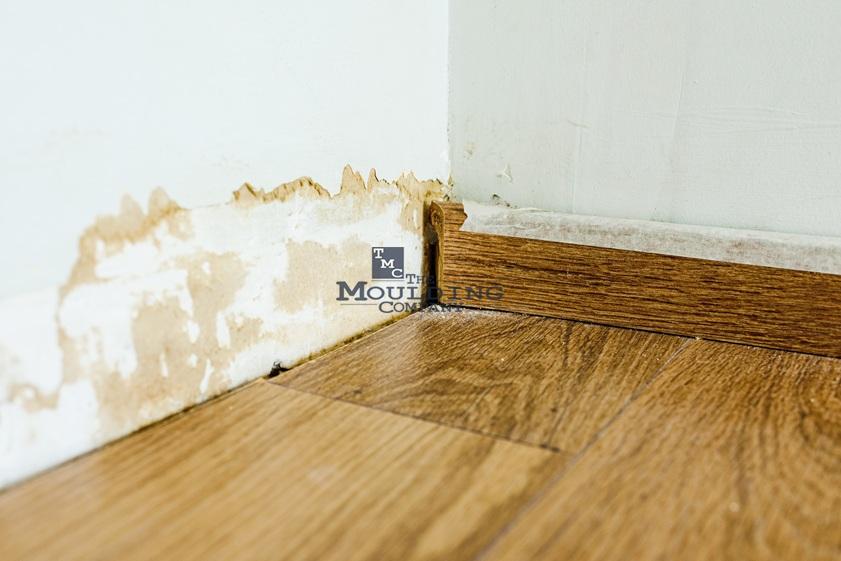
Moisture is one of the biggest threats to moulding, particularly near bathrooms, kitchens, entryways, or floors. MDF trim is especially vulnerable if exposed to water.
Broken or Missing Sections
Hard impacts or renovation work can break moulding pieces or remove sections entirely.
Can Damaged Moulding Be Repaired?
In many cases, yes. We often recommend repair when the moulding is structurally sound and the damage is limited to a specific area. Repairs work best when:
- The moulding profile is still intact
- Damage is cosmetic or localized
- The surrounding trim is in good condition
Replacement becomes the better option when moulding is severely water-damaged, warped, crumbling, or no longer matches the rest of the space.
Tools and Materials Commonly Used for Repairs
Most moulding repairs require only basic materials:
- Wood filler or spackling compound
- Putty knife
- Fine-grit sandpaper
- Paintable caulk
- Finishing nails or construction adhesive
- Matching paint or stain
For larger repairs, you may also need a pry bar, miter saw, or replacement trim.
How We Recommend Repairing Minor Moulding Damage
Fixing Small Dents, Chips, and Nail Holes
This is one of the most common repairs we see.
- Clean the damaged area to remove dust and debris.
- Apply wood filler or spackling compound.
- Smooth the surface and allow it to dry.
- Sand lightly until flush with the moulding.
- Touch up with paint or stain to match.
When done properly, these repairs blend seamlessly.
Repairing Cracks in Moulding
Cracks often appear where moulding meets walls or ceilings.
- Remove loose paint or debris from the crack.
- Apply paintable caulk or filler depending on crack size.
- Smooth the area and let it dry.
- Repaint for a clean finish.
This approach works especially well for crown moulding and chair rail.
How to Fix Loose or Separating Moulding
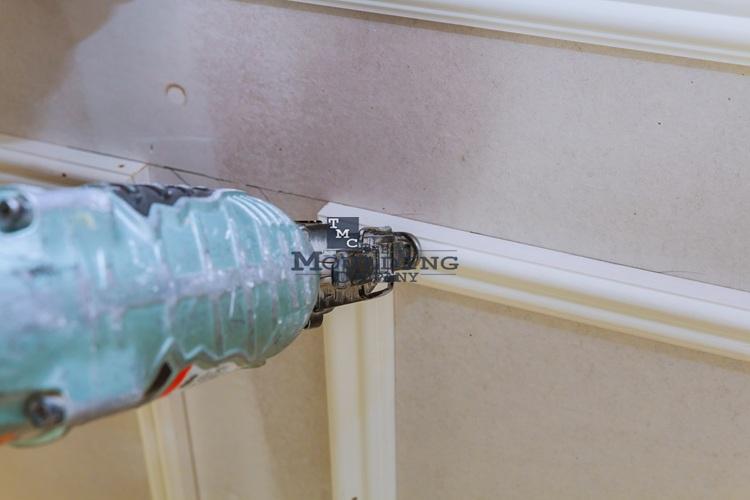
If moulding has pulled away from the wall, it usually needs to be re-secured.
- Press the moulding back into place to check alignment.
- Secure it with finishing nails into studs when possible.
- Use construction adhesive for added strength if needed.
- Fill nail holes and caulk edges.
- Touch up paint or stain.
This restores both appearance and stability.
Repairing Water-Damaged Moulding
Water damage requires careful evaluation.
When Repair Is Possible
- The moulding is solid wood
- Swelling is minimal
- The material remains firm
In these cases, drying, sanding, filling, priming, and repainting may be enough.
When Replacement Is the Better Choice
- MDF moulding has swollen or softened
- Mould or rot is present
- The trim has lost its shape
In these situations, replacing the damaged section will deliver better long-term results.
Replacing a Section of Damaged Moulding
Sometimes replacement is the cleanest solution.
- Carefully remove the damaged section.
- Measure and cut a matching replacement piece.
- Test-fit before securing.
- Install using nails or adhesive.
- Fill seams, sand smooth, and finish.
Matching the existing profile is critical, especially in older homes.
Matching Existing Moulding Profiles
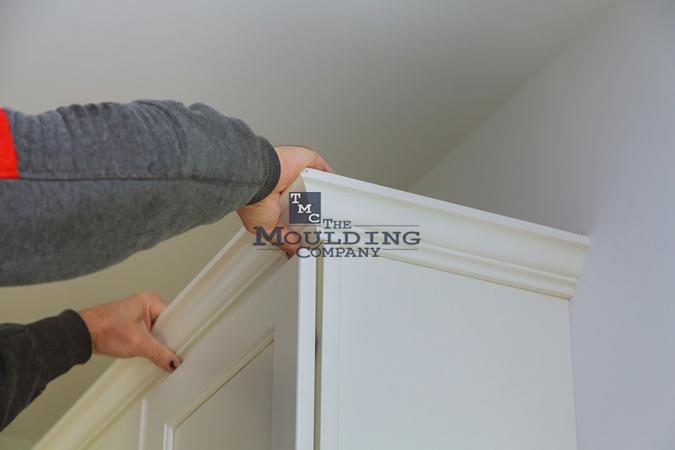
One of the biggest challenges with moulding repair is finding the right match. Many homes have older or custom profiles that aren’t readily available off the shelf.
This is where our experience comes in. At The Moulding Company, we regularly help customers identify existing profiles or recreate them through our custom moulding services. Whether it’s a single baseboard or a detailed crown profile, we can help ensure the repair blends seamlessly with the rest of your home.
Repair or Replace? How We Help You Decide
We typically recommend:
Repair when:
- Damage is minor or cosmetic
- The moulding is structurally sound
- The profile is difficult to replace
Replace when:
- Water damage is extensive
- The trim is warped or deteriorating
- Multiple sections are damaged
- You’re updating the space anyway
In many cases, repairing one section and refinishing the full run gives the best visual result.
Painting After Repair
Once repairs are complete, repainting helps unify the moulding.
- Use quality trim paint for durability
- Semi-gloss or satin finishes are easiest to maintain
- Feather paint edges for a seamless look
For stained moulding, touch-up markers or custom stain matching may be needed.
When Professional Help Makes Sense
While many repairs can be handled independently, professional installation is often the best choice for:
- Crown moulding repairs at ceiling height
- Intricate or layered profiles
- Large-scale replacement projects
- Precise profile matching
We work closely with both homeowners and trade professionals to ensure moulding repairs and replacements are done right the first time.
How We Support Your Project
At The Moulding Company, we don’t just supply trim. We help guide your project from start to finish. From choosing the right material to matching existing profiles and coordinating delivery, our team is here to support you.
We offer reliable shipping and service options so you can get the moulding you need, when you need it, whether you’re tackling a small repair or a full renovation. If you have questions or need guidance, our team is always ready to help.
Why Quality Moulding Matters
High-quality moulding is easier to repair, lasts longer, and maintains its shape over time. That’s why we focus on craftsmanship, consistency, and dependable materials. When repairs are done using quality trim, the results look better and hold up longer.
You can learn more about our approach and what sets us apart on our Why Us page, or reach out directly if you’d like help planning your next repair.
Final Thoughts
Damaged moulding doesn’t have to mean starting over. With the right approach, many issues can be repaired quickly and effectively. From small dents to loose trim and water damage, understanding your options helps you restore your space with confidence.
And when you need guidance, matching profiles, or custom solutions, we’re here to help. At The Moulding Company, our goal is to make sure your moulding looks just as polished and intentional as the rest of your home.
FAQs
1. Can damaged moulding be repaired instead of replaced?
Yes. Minor damage such as dents, cracks, or small gaps can usually be repaired. Replacement is recommended when moulding is severely water-damaged, warped, or structurally compromised.
2. What is the best way to fix cracks in moulding?
Small cracks can be repaired using paintable caulk or wood filler. Once applied, the area should be smoothed, allowed to dry, sanded lightly, and repainted for a seamless finish.
3. How do you repair water-damaged moulding?
If the moulding is solid wood and only lightly affected, it can often be dried, sanded, filled, and repainted. MDF moulding that has swollen or softened usually needs to be replaced.
4. Should moulding be repaired or replaced during a renovation?
If the moulding is in good condition and matches the rest of the home, repairing it can save time and cost. Replacement may be a better option when updating the overall design or when multiple sections are damaged.
5. Is it difficult to match existing moulding profiles?
Matching moulding profiles can be challenging, especially in older homes. Working with a moulding specialist makes it easier to identify or recreate existing profiles so repairs blend seamlessly.