



Blog
What Is Wainscoting and Why Homes Still Use It


Wainscoting has been used in homes for centuries, yet it continues to feel relevant, practical, and stylish today. You may have seen it in dining rooms, hallways, staircases, or even modern living spaces and wondered what it actually is or why so many homes still include it.
This guide explains what wainscoting is, what it’s used for, and why it remains a popular design choice in both classic and modern homes. We will also explore whether wainscoting is decorative or functional, how tall it should be, which rooms benefit most from it, and whether it adds real value to a home.
Along the way, you will also learn how The Moulding Company helps homeowners and professionals choose, customize, and install wainscoting that fits both style and function.
What Is Wainscot?
Wainscot refers to the material itself, traditionally wood, that is applied to the lower portion of a wall. Historically, wainscot was made from solid wood panels and used primarily for protection and insulation. Over time, the term evolved to describe the wall treatment, while the finished installation became known as wainscoting.
In simple terms, wainscot is the wood or paneling material, while wainscoting is how it is applied to the wall.
What Is Wainscoting?
Wainscoting is a decorative wall treatment that covers the lower section of a wall, usually paired with a cap rail or chair rail at the top. It can be simple and flat or detailed and paneled, depending on the style of the home.
Today’s wainscoting can be made from wood, MDF, or other paint-grade materials and comes in many styles, including raised panel, recessed panel, board and batten, and beadboard.
What Is Wainscoting Used For?
Wainscoting serves several important purposes, which is why it has remained popular for so long.
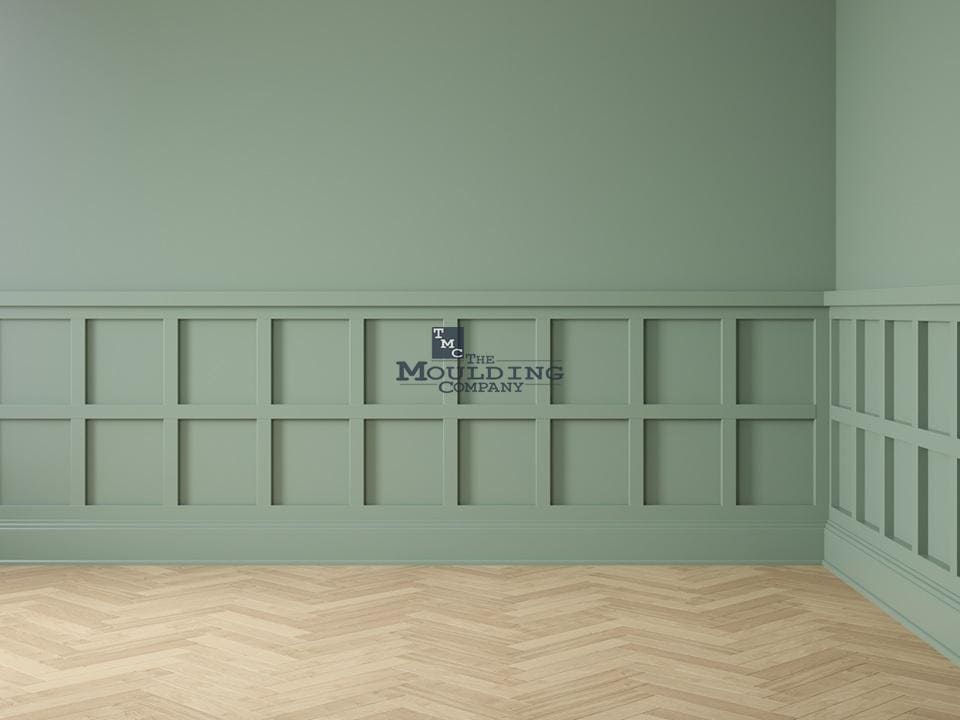
1. Wall Protection
Originally, wainscoting was installed to protect walls from furniture, chairs, and everyday wear. This is still one of its most practical benefits, especially in high-traffic areas.
2. Visual Structure
Wainscoting breaks up large wall surfaces, adding balance and proportion to a room. This is especially helpful in rooms with tall ceilings or long, uninterrupted walls.
3. Design and Character
Wainscoting adds architectural detail that makes a room feel finished and intentional. Even a simple design can elevate the overall look of a space.
Is Wainscot Decorative or Functional?
The short answer is: it’s both.
Functionally, wainscoting protects walls from scuffs, dents, and damage. It is especially useful in dining rooms, hallways, and staircases where walls are more likely to take a beating.
Decoratively, wainscoting adds texture, depth, and character. It can make a plain room feel custom and thoughtfully designed. Many homeowners choose wainscoting purely for its visual impact, even in rooms where wall protection is less critical.
This balance of form and function is one of the reasons wainscoting continues to be used in homes today.
What Rooms Should Have Wainscoting?
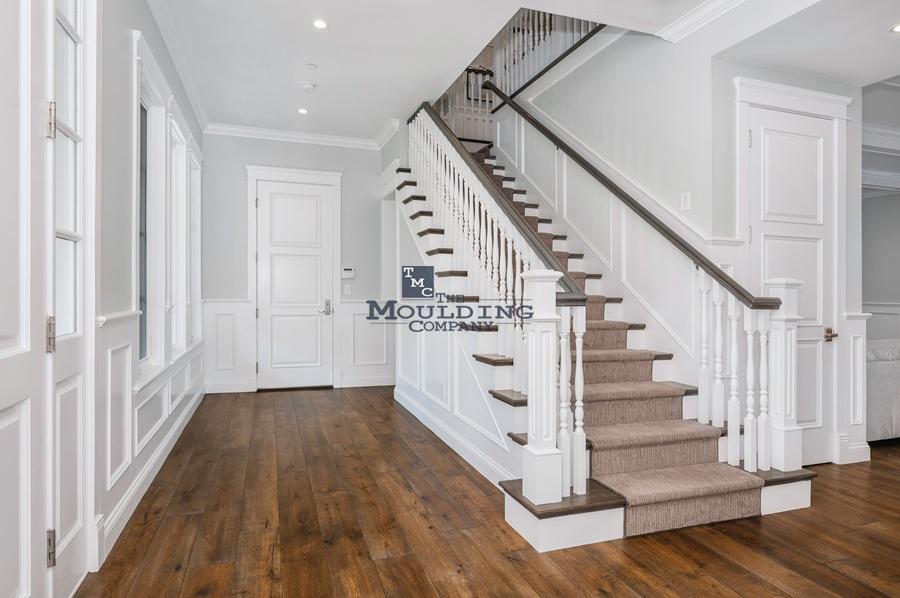
Wainscoting is versatile and can work beautifully in many areas of the home. Here are the most common rooms where it makes sense.
Dining Rooms
This is the most traditional location for wainscoting. It protects walls from chairs and adds an elegant, formal feel.
Hallways and Staircases
These areas experience frequent traffic. Wainscoting adds durability while making long or narrow spaces more visually interesting.
Living Rooms
In living rooms, wainscoting can frame seating areas and add architectural interest without overwhelming the space.
Bedrooms
Wainscoting in bedrooms creates a cozy, layered look, especially when paired with soft colors or wallpaper above.
Bathrooms
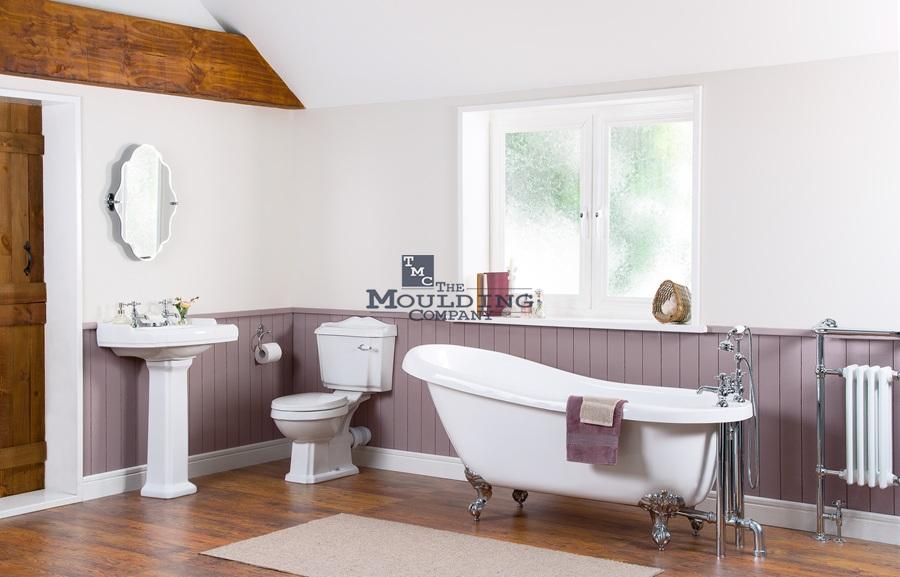
When made from moisture-resistant materials, wainscoting works well in bathrooms, adding charm and protecting walls from splashes.
Entryways
Wainscoting creates a strong first impression and helps define the entry space.
If you are planning a project and want guidance specific to your home, the team at The Moulding Company regularly helps both homeowners and professionals choose the right style for each room.
Is Wainscoting Outdated or Still in Style?
This is one of the most common questions people ask, and the answer is clear: wainscoting is still very much in style.
What has changed is how it’s used.
Older homes often featured ornate, highly detailed wainscoting. Today’s designs tend to be cleaner and more minimal, making them suitable for modern and transitional interiors.
Current trends include:
- Simple board and batten designs
- Flat panel wainscoting with clean lines
- Neutral paint colors
- Wainscoting paired with modern lighting and furniture
Because wainscoting adapts so easily to different styles, it continues to be a timeless design element rather than a dated one.
What Is the Difference Between Wainscot and Paneling?
Although the terms are sometimes used interchangeably, they are not the same.
Wainscoting typically covers only the lower portion of a wall and is finished with a rail at the top.
Paneling often covers an entire wall from floor to ceiling and can be purely decorative.
Think of wainscoting as a specific type of paneling with defined placement and proportions. It is more structured and traditionally architectural, while paneling can be more flexible and decorative.
How Tall Should Wainscoting Be?
There is no single correct height, but there are common guidelines that help wainscoting look balanced.
Traditional Height
Traditionally, wainscoting is installed at about one-third the height of the wall, usually between 30 and 36 inches.
Modern Height
Modern designs often go higher, sometimes covering half the wall or more. In rooms with tall ceilings, wainscoting can reach 42 to 48 inches or even higher.
Design Rule
A helpful rule of thumb is to consider the room’s proportions. Taller ceilings can handle taller wainscoting, while smaller rooms benefit from lower heights.
Custom designs are also common, and The Moulding Company offers custom services to help achieve the perfect proportions for your space.
Does Wainscoting Add Home Value?
Yes, wainscoting can add real value to a home when done correctly.
Here’s how:
- It improves visual appeal and perceived quality
- It makes rooms feel more finished and custom
- It protects walls, reducing long-term maintenance
- It appeals to buyers looking for character and craftsmanship
While wainscoting alone won’t dramatically increase resale value, it contributes to a higher-quality overall impression, which can influence buyer interest and offers.
Materials Used for Wainscoting
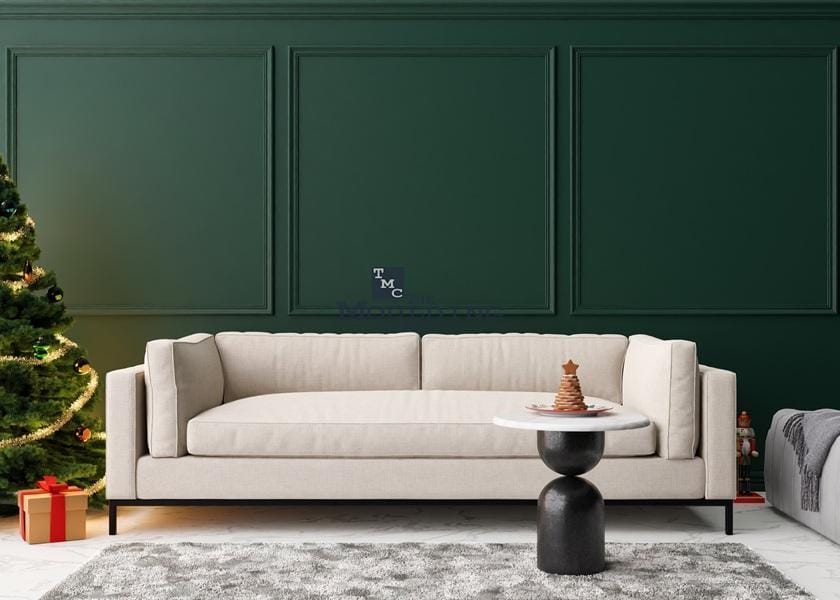
Modern wainscoting can be made from several materials:
- Wood: Offers warmth and authenticity
- MDF: Smooth, paint-ready, and cost-effective
- PVC: Best for moisture-prone areas
Choosing the right material depends on the room, budget, and desired finish.
Why People Choose The Moulding Company
When it comes to trim and architectural details, quality and expertise matter. The Moulding Company has built a reputation for helping customers find the right moulding solutions for their homes and projects.
You can learn more about what sets us apart on our Why Us page or explore delivery and service options through our shipping and location information.
Whether you are planning a single-room update or a full remodel, our team provides guidance from selection to installation.
Helpful Resources for Homeowners and Contractors
If you are a homeowner looking for inspiration or planning guidance, The Moulding Company offers dedicated resources to help you make confident decisions.
Professionals working on renovation or new-build projects can also find tailored support, product availability, and service information designed specifically for trade needs.
For questions, quotes, or project guidance, you can reach out directly through the contact page.
Final Thoughts
Wainscoting remains popular because it solves real design and functional challenges. It protects walls, adds architectural character, and helps rooms feel balanced and complete. Whether your home leans traditional, modern, or somewhere in between, wainscoting adapts beautifully to your style.
By understanding what wainscoting is, where it works best, how tall it should be, and how it differs from paneling, you can make informed decisions that add lasting value to your home.
With the right materials, thoughtful design, and expert guidance from The Moulding Company, wainscoting becomes more than a decorative feature. It becomes a lasting investment in the look and feel of your space.
FAQs
1. What is wainscoting?
Wainscoting is a decorative wall treatment that covers the lower portion of a wall. It is commonly made from wood or MDF and adds both protection and architectural detail to a room.
2. What is wainscoting used for?
Wainscoting is used to protect walls from wear, add visual structure, and enhance the overall design of a space. It helps break up large wall areas and creates a more finished look.
3. Is wainscoting outdated?
No. Wainscoting is still very much in style. Modern designs use clean lines, updated proportions, and neutral colors, making it suitable for both traditional and contemporary homes.
4. How tall should wainscoting be?
Wainscoting is traditionally installed between 30 and 36 inches high, but modern designs often go higher. The ideal height depends on ceiling height, room size, and overall design style.
5. Does wainscoting add value to a home?
Yes. While it may not drastically increase resale price on its own, wainscoting improves visual appeal, adds character, and contributes to a higher-quality impression that buyers appreciate.