



Blog
How to Match Interior Trim With Flooring and Doors


At The Moulding Company, we see it all the time. A homeowner chooses beautiful flooring, installs great doors, and then gets stuck when it comes to trim. Baseboards and casings might feel like small details, but they are the elements that visually connect floors, walls, and doors into one finished space.
When trim is chosen without considering flooring and doors, rooms can feel disjointed. When trim is chosen thoughtfully, everything suddenly makes sense. The space feels intentional, balanced, and complete.
This guide explains how to match interior trim with flooring and doors in a way that works across styles, materials, and budgets. Whether you are updating one room or planning a full interior project, these principles will help you make confident trim decisions that hold up over time.
Why Trim Is the Bridge Between Flooring and Doors
Flooring runs horizontally. Doors stand vertically. Trim is what visually connects those two planes.
Baseboards sit directly on top of the floor and define the bottom edge of the wall. Door and window casings frame openings and help doors feel anchored within the space. Together, they act as a transition layer that prevents the room from feeling fragmented.
Without well-chosen trim:
- Floors can feel disconnected from walls
- Doors can feel like separate elements instead of part of the design
- Materials can clash instead of complementing each other
Trim is not decoration. It is structure for the eye.
Start With Flooring, Not Trim
Flooring usually sets the visual tone of a room. Before choosing trim, step back and evaluate the flooring carefully.
Consider the Flooring Color
Light floors reflect light and make rooms feel open. Dark floors ground a space and draw the eye downward. Medium-toned floors often balance both effects.
Trim should respond to this, not fight it.
- Light floors pair well with both light and dark trim
- Dark floors often benefit from lighter trim to avoid heaviness
- Matching trim exactly to flooring usually looks forced
Consider Flooring Texture and Pattern
Wide-plank hardwood, herringbone patterns, tile, or textured vinyl all carry visual weight. Busy floors benefit from simpler trim profiles so the room does not feel overwhelming.
Choosing the right baseboard moulding styles helps anchor the floor without competing with it.
How Baseboards Should Relate to Flooring
Baseboards are the most important trim element when it comes to flooring coordination.
Baseboards Should Complement, Not Match
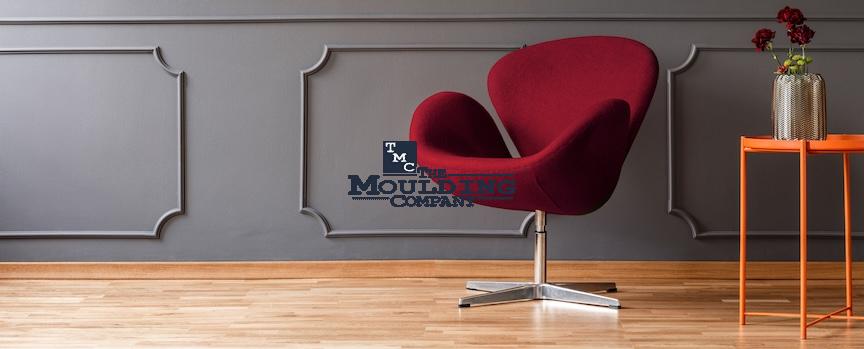
One of the biggest mistakes we see is trying to match baseboards directly to flooring color. In most cases, this creates a choppy look.
Instead, baseboards should either:
- Match other trim in the home
- Create clean contrast with the flooring
- Act as a neutral transition
Painted baseboards often work best when floors are wood or wood-look materials because they provide separation and clarity.
Proportion Matters
Wider baseboards pair better with wide-plank floors and larger rooms. Narrow baseboards often feel more appropriate in small rooms or minimalist designs.
Baseboards that are too small can look accidental. Baseboards that are too large can overpower the room.
Understanding the Relationship Between Trim and Doors
Doors are focal points, especially interior doors that repeat throughout the home. Trim helps doors feel integrated rather than stuck into the wall.
Door Color vs Trim Color
Trim does not need to match doors exactly, but the relationship should feel intentional.
Common combinations that work well:
- White doors with white trim
- Wood doors with painted trim for contrast
- Wood doors with stained trim for a traditional look
What matters most is consistency. Switching trim color room to room usually creates visual noise.
Door Style Influences Trim Choice
Simple, flat-panel doors pair best with clean, minimal trim. More decorative doors can support slightly more detailed casings.
Using consistent interior door and window casings throughout the home helps doors feel like part of a cohesive system.
How Casings Tie Doors Into the Room
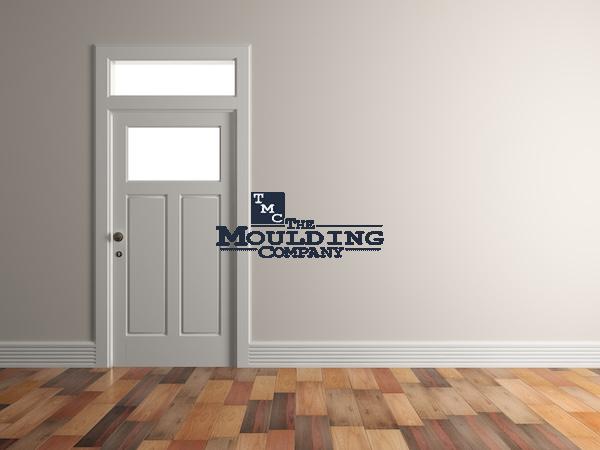
Casings are often overlooked, but they play a major role in how doors relate to floors and walls.
Width Balance Is Key
Casings should feel proportional to baseboards. Typically, baseboards are slightly wider than casings. This creates a visual hierarchy that feels natural.
If casings are wider than baseboards, doors can feel overly dominant.
Profile Consistency
Profiles do not need to match exactly, but they should share the same design language.
- Flat baseboards work best with flat casings
- Stepped baseboards pair well with stepped casings
- Traditional profiles should stay consistent across openings
When profiles clash, the eye notices immediately.
Painted vs Stained Trim When Matching Floors and Doors
Finish choice plays a major role in how trim interacts with flooring and doors.
Painted Trim
Painted trim creates separation. It allows flooring and doors to stand on their own without competing.
Painted trim works especially well when:
- Flooring and doors are different colors
- The home has mixed materials
- A clean, updated look is desired
Stained Trim
Stained trim connects directly to wood elements. It works best when flooring and doors share similar tones and wood species.
Stained trim requires careful planning, as mismatched tones are more noticeable than with paint.
Many people compare painted vs stained trim when trying to decide how unified or contrasted they want their space to feel.
Matching Trim Across Open Floor Plans
Open floor plans make trim choices even more important because transitions are more visible.
In open spaces:
- Baseboards should remain consistent
- Casings should match across all visible openings
- Trim finish should not change abruptly
Trim consistency helps visually tie large spaces together, even when flooring or wall colors vary slightly.
Room-by-Room Matching Considerations
Living Rooms
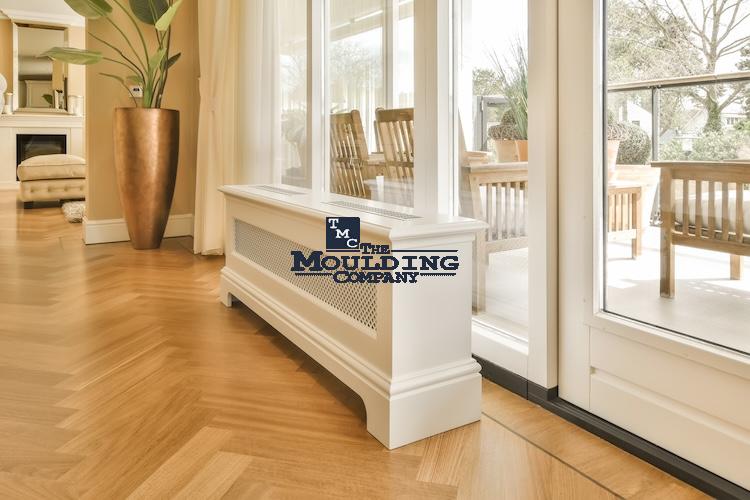
Living rooms often feature the most visible flooring and multiple doors. Trim should support the flooring while framing doors cleanly.
Hallways
Hallways connect different rooms, often with different flooring types. Consistent trim is essential for maintaining flow.
Bedrooms
Bedrooms benefit from calm, understated trim that supports rest rather than drawing attention.
Entryways
Entryways set the tone for the entire home. Trim should coordinate with both the flooring and the front door to create a strong first impression.
How Trim Helps Balance Mixed Materials
Modern homes often mix wood floors, painted doors, metal hardware, and glass elements. Trim acts as the mediator between these materials.
Neutral trim profiles and finishes allow different materials to coexist without clashing. This is especially important when flooring and doors come from different manufacturers or eras.
Common Mistakes That Break Visual Flow
We regularly see these issues:
- Trying to match trim exactly to flooring
- Mixing multiple trim profiles without a plan
- Using too many wood tones in one space
- Choosing trim as an afterthought
Most trim problems come from decisions made too late in the process.
When Custom Trim Makes the Difference
Not every home fits standard trim options. Renovations, additions, and older homes often require more flexibility.
Through our custom trim services, we help create solutions that:
- Match existing profiles
- Adjust proportions to suit the space
- Bridge old and new materials seamlessly
Custom trim is often the best way to unify flooring and doors when replacements are not an option.
Different Needs for Different Projects
Every project is different, and trim decisions should reflect that.
For those planning updates or renovations, our guidance for homeowners focuses on working with existing floors and doors while improving overall cohesion.
For larger builds or multi-room installations, our resources for contractors emphasize consistency, efficiency, and long-term performance across the entire home.
Our Approach at The Moulding Company
At The Moulding Company, we do not look at trim in isolation. We consider how baseboards meet flooring, how casings frame doors, and how everything works together across the home.
By focusing on proportion, profile, and finish, we help customers avoid mismatches and create interiors that feel complete rather than pieced together.
Final Thoughts
Matching interior trim with flooring and doors is about creating balance. Trim should connect elements, not compete with them.
When baseboards complement flooring and casings support door design, rooms feel cohesive and well thought out. The right trim choices quietly elevate a space and make it feel finished.
At The Moulding Company, we believe trim does its best work when it brings everything together naturally. With the right approach, trim becomes the detail that makes a home feel intentional, comfortable, and timeless.
Frequently Asked Questions (FAQs)
Baseboards do not need to match flooring or doors exactly. They should complement both by acting as a neutral transition between the floor and wall.
Painted trim is more flexible and works well with most wood floors. Stained trim can look great when it closely matches the tone of the flooring and doors.
Yes. Door casings and baseboards should share a similar style and finish so the trim feels consistent throughout the home.
Yes. Consistent trim profiles and finishes help create visual flow between rooms with different flooring materials.
Custom trim is helpful when matching existing profiles, working with older homes, or blending new flooring and doors with original architectural details.