



Blog
Painted vs Stained Trim: How to Choose the Right Finish


At The Moulding Company, one of the most important trim decisions we help customers make is not about profile or size, but about finish. Choosing between painted and stained trim affects how moulding looks, how it wears over time, and how well it fits into the overall design of a home.
Painted and stained trim both have clear advantages, and neither option is universally better. The right choice depends on the style of the home, the type of trim being used, the material, and how the space will be lived in. This guide explains the real differences between painted and stained trim, where each works best, and how to make a confident decision for your project.
What Is Painted Trim?
Painted trim refers to moulding that is finished with paint rather than left natural. This is the most common trim finish in modern and transitional homes.
Painted trim is often used for:
- Baseboards
- Crown moulding
- Door and window casings
- Wainscoting and wall trim
Because paint creates a uniform surface, painted trim emphasizes shape and profile rather than material grain. It allows moulding to blend seamlessly with walls or stand out through contrast, depending on color choice.
Painted trim works especially well with MDF and finger-jointed wood, which are designed to accept paint smoothly.
What Is Stained Trim?
Stained trim highlights the natural grain and color of the wood rather than covering it. Instead of creating a uniform surface, stain enhances variation and texture.
Stained trim is commonly used for:
- Traditional or craftsman-style homes
- Fireplaces and built-ins
- Doors and window frames
- Feature rooms or accent areas
Stained trim requires solid wood species such as oak, maple, or poplar. MDF cannot be stained and is not suitable for this finish.
Stained trim brings warmth and character to a space, but it also demands more careful material selection and installation.
Painted vs Stained Trim: The Core Differences
Understanding the fundamental differences helps narrow the decision.
Appearance
Painted trim creates a clean, consistent look that emphasizes form. Stained trim highlights natural grain and variation.
Style Flexibility
Painted trim works across many styles, from modern to traditional. Stained trim leans more traditional and rustic but can feel timeless when used intentionally.
Material Requirements
Painted trim can use MDF or wood. Stained trim must use solid wood.
Maintenance
Painted trim is easier to touch up. Stained trim requires more care to maintain consistency if damaged.
Where Painted Trim Works Best
Painted trim is the most versatile option and works well in many parts of a home.
Modern and Transitional Interiors
Painted trim aligns naturally with clean lines and neutral palettes. It allows trim to complement the architecture without overpowering it.
Living Rooms and Bedrooms
Painted baseboards and casings create a calm, cohesive look and are easy to maintain.
Wainscoting and Wall Treatments
Paint highlights panel profiles and creates depth through shadow rather than color variation.
Smaller or Lower-Ceiling Spaces
Light-colored painted trim can help rooms feel brighter and more open.
Painted trim also allows flexibility. Colors can be updated over time without replacing the moulding.
Where Stained Trim Makes the Most Sense
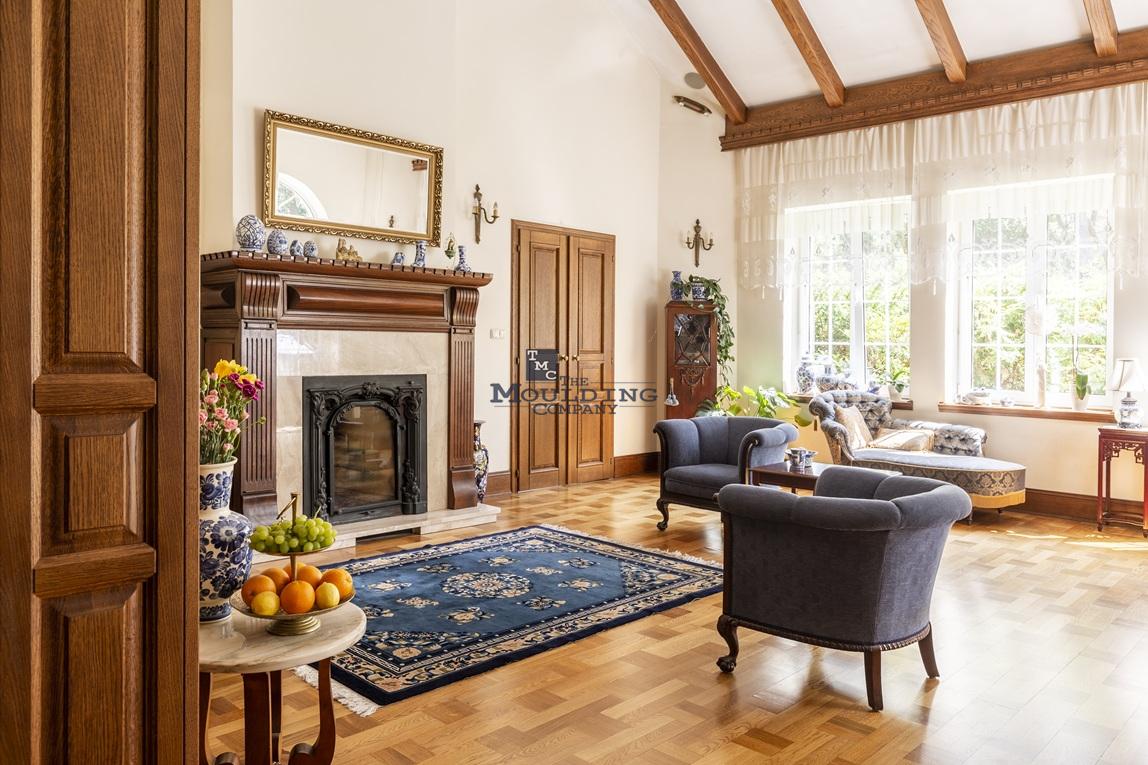
Stained trim shines when the goal is warmth and craftsmanship.
Traditional and Craftsman Homes
Stained trim reinforces architectural character and authenticity.
Open Floor Plans with Wood Flooring
Stained trim can tie into hardwood floors and create visual continuity across spaces.
Feature Areas
Fireplace surrounds, libraries, and dining rooms often benefit from stained trim that stands out as a design feature.
Homes with Natural Wood Elements
If beams, cabinetry, or floors are already stained, matching trim can unify the design.
Stained trim is less forgiving, so planning and execution matter more.
How Trim Type Influences the Finish Choice
Different trim categories respond differently to paint and stain.
Baseboards
Painted baseboards are the most common choice. They hide wear and are easy to touch up. Stained baseboards can work in traditional homes but require careful coordination with flooring.
Painted finishes are often preferred when selecting baseboard trim finish options for durability and easy maintenance.
Crown Moulding
Painted crown moulding emphasizes architectural detail. Stained crown moulding can feel heavy unless ceilings are tall and the profile is restrained.
Painted profiles tend to highlight detail, making them a popular choice among crown moulding finish choices.
Door and Window Casings
Painted casings offer consistency throughout the home. Stained casings draw attention to openings and are best used intentionally.
Wainscoting
Painted finishes are strongly preferred for wainscoting because they highlight panel shapes without visual clutter.
Decorative and Custom Trim
Stain works well when the trim itself is meant to be a focal point.
For statement pieces, exploring custom trim finish options helps ensure the moulding becomes a design feature rather than a background element.
Material Matters More Than Finish
The material you choose often determines whether paint or stain is realistic.
- MDF should always be painted
- Finger-jointed wood works best with paint
- Solid wood is required for stain
Using the wrong material for a stain finish leads to uneven color and disappointing results.
Maintenance and Long-Term Wear
Painted trim:
- Easier to clean and touch up
- Hides minor dents and wear
- Can be repainted without replacement
Stained trim:
- Shows wear more easily
- Requires careful cleaning
- Repairs must blend with existing stain
Homes with children or high traffic often benefit from painted trim for durability.
Color Considerations
Painted trim does not have to be white. Soft neutrals, warm whites, and even darker tones can add depth without overwhelming a room.
Stained trim requires careful color matching. Wood species, grain pattern, and lighting all affect how stain appears once installed.
Testing finishes before committing is always recommended.
Mixing Painted and Stained Trim in One Home
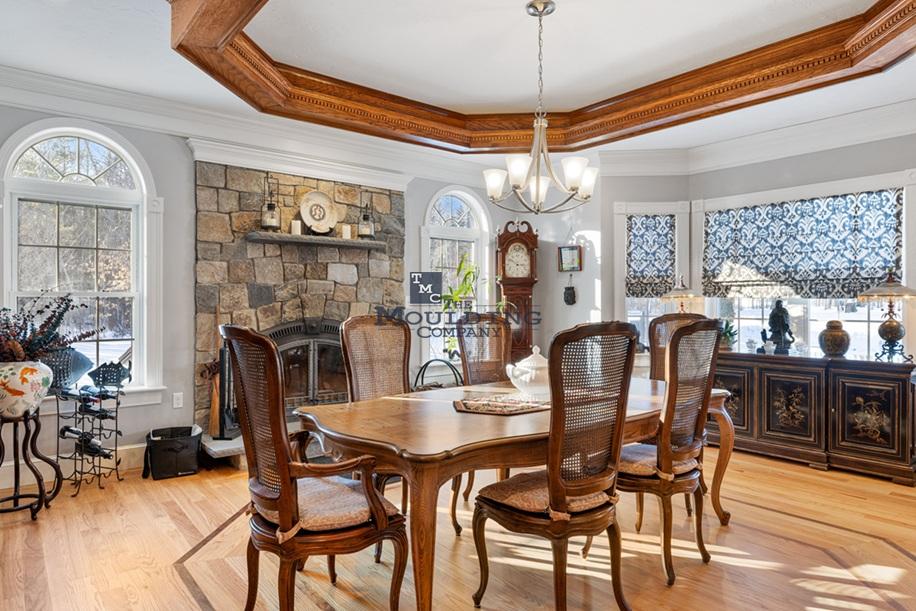
Many homes successfully use both finishes.
Common approaches include:
- Painted trim throughout with stained features
- Stained doors with painted casings
- Stained trim in public areas and painted trim in private rooms
The key is consistency and intention. Random mixing can feel disjointed, but planned contrast can be striking.
Common Mistakes We See
Over time, we have seen a few recurring issues.
- Choosing stain without considering wood species
- Using stained trim in low-ceiling rooms
- Mixing finishes without a clear plan
- Staining trim that should have been painted
Most of these mistakes come from deciding too late in the process.
How We Help Customers Choose the Right Finish
At The Moulding Company, we help customers look beyond trends. We consider:
- The style of the home
- The trim category being used
- The material
- The room conditions
- Long-term maintenance expectations
This approach ensures the finish supports both design and practicality.
Which Finish Adds More Value?
Painted trim appeals to a wider audience and is easier to update, which often benefits resale. Stained trim can add perceived value when done well, especially in higher-end or traditional homes.
Value comes from execution, not just the finish choice.
Final Thoughts
Choosing between painted and stained trim is about balance. Painted trim offers flexibility, consistency, and ease of maintenance. Stained trim provides warmth, character, and craftsmanship when used intentionally.
Neither option is right for every space, and many homes benefit from a combination of both. The best results come from understanding how finish, material, and trim type work together.
At The Moulding Company, we believe trim finishes should enhance the home rather than compete with it. When the right finish is paired with the right moulding, the result feels timeless, intentional, and built to last.
FAQs
1. Is painted or stained trim better for most homes?
Painted trim works best for most homes because it is versatile, easy to maintain, and fits a wide range of interior styles. Stained trim is best when natural wood character is a design priority.
2. Can the same home have both painted and stained trim?
Yes. Many homes use painted trim throughout with stained trim in feature areas like fireplaces or doors, as long as the mix is intentional and consistent.
3. Does stained trim require more maintenance than painted trim?
Yes. Stained trim shows wear more easily and repairs must blend with the existing stain, while painted trim is easier to touch up over time.
4. Can MDF trim be stained?
No. MDF trim must be painted. Only solid wood trim can be stained successfully.
5. Which trim finish adds more resale value?
Painted trim generally appeals to a wider range of buyers. Stained trim can add value in traditional or high-end homes when done correctly.