



Blog
How Trim Profiles Change the Look of a Room


At The Moulding Company, we often see homeowners focus on trim size or finish while overlooking one of the most influential details of all: the trim profile. A trim profile refers to the shape and contour of the moulding, whether it is flat, stepped, curved, or layered. This subtle design choice has a powerful effect on how a room feels.
Trim profiles influence proportion, visual weight, and architectural character. Two rooms with the same paint color and flooring can feel completely different depending on the trim profile used. Understanding how profiles work allows you to choose moulding that enhances your space rather than competing with it.
This guide explains how trim profiles affect a room’s appearance, how different profiles behave in different spaces, and how to select the right profile across baseboards, crown moulding, casings, and other trim elements.
What Is a Trim Profile?
A trim profile is the cross-sectional shape of a moulding. Profiles can be flat and simple or detailed and decorative. They determine how light hits the trim, how shadows are created, and how much visual presence the trim has in a room.
Common profile characteristics include:
- Flat or square edges
- Beveled or stepped details
- Curves and contours
- Layered or built-up designs
Even small changes in profile depth or shape can significantly change how trim is perceived.
Why Trim Profiles Matter More Than You Think
Trim profiles repeat throughout a home. A baseboard profile appears in every room. Door casings frame every opening. Crown moulding, when used, defines the ceiling line across an entire space.
Because of this repetition, trim profiles influence:
- Whether a room feels modern or traditional
- How tall or grounded walls appear
- How busy or calm a space feels
- How light and shadow move around the room
Choosing a profile without considering the room’s proportions often leads to trim that feels either overwhelming or underwhelming.
Flat Profiles: Clean and Modern
Flat trim profiles are defined by straight lines and minimal detail. These profiles are commonly used in modern and transitional interiors.
How Flat Profiles Affect a Room
Flat profiles create a calm, streamlined look. They do not compete with furniture, artwork, or architectural features. Instead, they support the overall design quietly.
Flat profiles tend to:
- Make rooms feel more open
- Reduce visual clutter
- Emphasize clean geometry
Flat profiles are especially effective in homes with lower ceilings or minimalist design goals.
Where Flat Profiles Work Best
Flat profiles are commonly used for baseboard moulding styles in modern homes, where simplicity and consistency are key. They are also popular for door and window trim because they frame openings without drawing excessive attention.
Stepped Profiles: Balance and Structure
Stepped profiles include one or more subtle transitions or ledges. They add interest without heavy ornamentation.
How Stepped Profiles Affect a Room
Stepped profiles add depth and structure. They catch light gently and create soft shadow lines that give walls dimension.
These profiles:
- Feel intentional without being ornate
- Work well in transitional interiors
- Add architectural interest without heaviness
Stepped profiles are a common choice when homeowners want trim to feel substantial but not decorative.
Where Stepped Profiles Work Best
Stepped profiles are often used in interior door and window casings to give openings presence while maintaining a clean aesthetic. They also work well for baseboards in medium-sized rooms.
Curved Profiles: Traditional and Decorative
Curved profiles feature rounded edges, ogees, or detailed contours. These are most often associated with traditional or classic interiors.
How Curved Profiles Affect a Room
Curved profiles introduce softness and ornamentation. They add visual richness and are more noticeable than flat or stepped designs.
These profiles tend to:
- Make spaces feel formal or elegant
- Add character to plain walls
- Increase visual weight
Curved profiles should be used thoughtfully, as too much detail can overwhelm smaller rooms.
Where Curved Profiles Work Best
Curved profiles are often seen in crown moulding designs, where decorative detail enhances the ceiling line and adds a sense of refinement to living rooms and dining rooms.
Layered Profiles: Architectural Impact
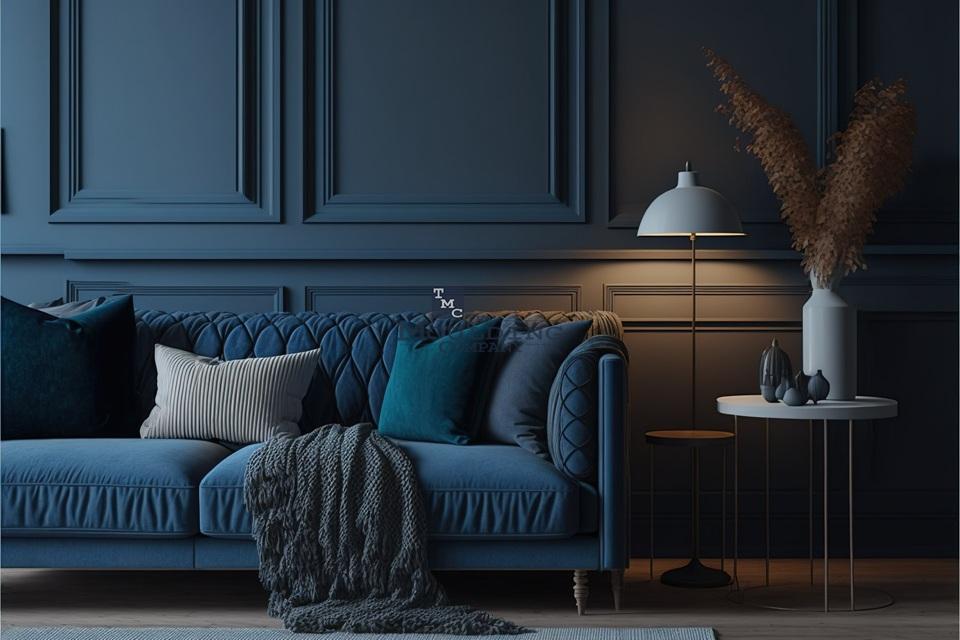
Layered profiles are created by combining multiple mouldings to form a built-up look. These profiles are bold and architectural.
How Layered Profiles Affect a Room
Layered profiles create drama and presence. They draw the eye and establish strong visual boundaries.
These profiles:
- Work best in large or formal spaces
- Add a custom, high-end feel
- Require careful proportion planning
Layered trim should be scaled to the room. In smaller spaces, it can feel heavy if not designed carefully.
Where Layered Profiles Work Best
Layered profiles are often used for custom trim profiles, especially in traditional homes, entryways, and feature rooms where architectural detail is desired.
How Trim Profiles Affect Ceiling Height
Trim profiles directly influence how tall or short a room feels.
- Simple, flat profiles tend to make ceilings feel higher
- Tall or detailed crown moulding can lower the perceived ceiling height
- Narrow profiles keep the eye moving upward
- Heavy profiles draw attention to transitions
Choosing the wrong profile for ceiling height is one of the most common trim mistakes we see.
How Trim Profiles Affect Room Size
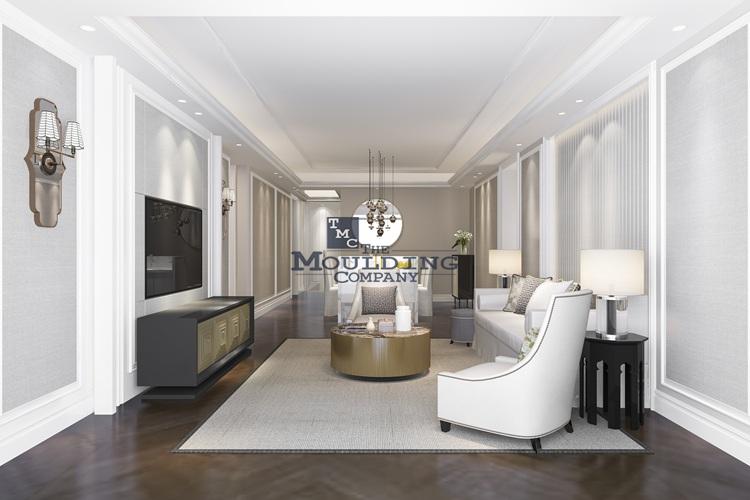
In smaller rooms, minimal profiles prevent visual overload. Large profiles in small spaces can make walls feel crowded.
In larger rooms, trim with more depth helps balance open wall areas and prevents the space from feeling empty or unfinished.
The goal is always proportional balance.
Consistency Across Trim Categories
One of the most important principles in trim design is consistency. Profiles do not need to match exactly, but they should belong to the same design family.
For example:
- Flat baseboards pair well with flat casings
- Stepped casings work best with simple crown moulding
- Curved crown moulding should not be paired with ultra-modern baseboards
Maintaining consistency across crown moulding finish choices, baseboards, and casings helps the home feel cohesive rather than pieced together.
Profiles and Finish Work Together
Trim profile and finish are closely connected.
Painted trim emphasizes shape and shadow. This makes profiles more noticeable. Stained trim highlights material grain and texture, which can soften profile details.
When considering finishes, many homeowners compare painted vs stained trim to determine how visible they want the profile to be.
Profiles by Trim Category
Baseboards
Profile depth affects how grounded a room feels. Taller or stepped profiles add presence, while flat profiles keep things minimal.
Crown Moulding
Profile shape determines whether crown moulding feels subtle or decorative. This is where profile choice has the most dramatic visual impact.
Door and Window Casings
Casing profiles frame movement and light. Their profile should complement baseboards and crown moulding without overpowering openings.
Wall Trim and Wainscoting
Panel moulding profiles influence how textured or calm a wall appears. Simpler profiles highlight structure, while detailed ones add ornamentation.
Common Profile Mistakes to Avoid
Over time, we see a few recurring issues:
- Mixing unrelated profile styles
- Choosing profiles too large for the space
- Ignoring ceiling height
- Selecting profiles without considering finish
Most trim regrets come from profile decisions made without a full-room perspective.
How We Help at The Moulding Company
At The Moulding Company, we help customers look beyond individual pieces and focus on how profiles work together across the home. Whether selecting standard moulding or designing custom trim profiles, we consider proportion, repetition, and long-term visual balance.
Our goal is to help trim and enhance a space quietly and confidently.
Final Thoughts
Trim profiles shape how a room feels more than most people realize. Flat profiles bring calm and simplicity. Stepped profiles add structure. Curved profiles introduce elegance. Layered profiles create architectural presence.
When trim profiles are chosen with intention and consistency, they elevate the entire home. When they are overlooked, even high-quality trim can feel out of place.
At The Moulding Company, we believe great trim design starts with understanding profiles. When profile, proportion, and placement work together, the result is a space that feels finished, balanced, and timeless.
FAQs
1. What is a trim profile?
A trim profile is the shape and contour of a moulding. It determines how the trim looks, how light and shadow interact with it, and how much visual presence it has in a room.
2. Do trim profiles affect how big a room feels?
Yes. Large or detailed profiles can make rooms feel smaller, while simple profiles help spaces feel more open and balanced.
3. Should all trim profiles match in a home?
They do not need to be identical, but they should be consistent in style so the home feels cohesive.
4. Which trim profiles work best for modern homes?
Flat and simple profiles work best for modern homes because they support clean lines and minimal design.
5. Can trim profiles add value to a home?
Well-chosen trim profiles improve perceived quality and craftsmanship, which can positively influence how a home is viewed by buyers.