



Blog
How Interior Trim Improves Home Value and Visual Balance


At The Moulding Company, we often tell customers that trim is one of the few design elements that works on two levels at once. It improves how a home looks, and it influences how that home is perceived in terms of quality and value. While flooring, cabinetry, and paint colors usually get the most attention during a renovation, interior trim quietly shapes the final result.
Well-chosen trim creates structure. It defines edges, frames transitions, and gives each room a sense of completion. Without it, even a well-designed space can feel slightly unfinished. With it, everything feels intentional.
Understanding how trim affects both visual balance and home value can help you make smarter decisions when updating or building your space.
Why Trim Has Such a Strong Visual Impact
Interior trim is repeated throughout the home. Baseboards run along every wall. Casings frame every door and window. Crown moulding, when used, defines the ceiling line. Because of this repetition, trim becomes one of the most consistent visual elements in a space.
This consistency is what gives trim its power.
When trim is properly scaled and coordinated, it creates rhythm. The eye moves smoothly from one room to another without interruption. Walls feel grounded. Openings feel defined. The entire home feels connected.
When trim is inconsistent or poorly proportioned, the opposite happens. The eye catches small mismatches. Transitions feel abrupt. Even if the materials are high quality, the space can feel less refined.
Trim is not just decoration. It is structure for the way we experience a room.
The Role of Trim in Visual Balance
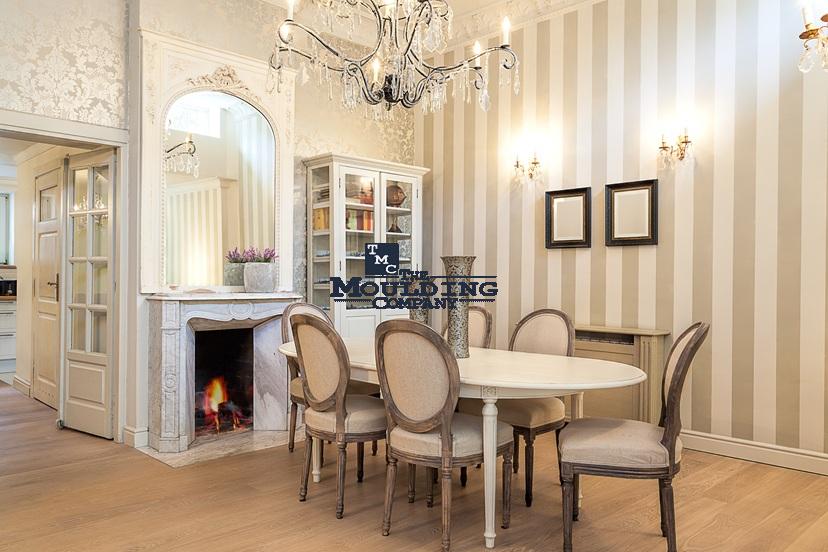
Visual balance is about how elements in a room relate to one another. Trim plays a central role in that relationship because it sits at key transition points.
Baseboards connect walls to floors. Casings connect walls to openings. Crown moulding connects walls to ceilings. These transitions are where imbalance is most noticeable.
When trim is chosen correctly, it balances these relationships in a subtle but powerful way.
Baseboards Ground the Room
Baseboards provide a visual foundation. They anchor the wall and prevent it from feeling like it simply stops at the floor. The height and profile of baseboards influence how heavy or light a room feels.
In rooms with higher ceilings, slightly taller baseboards help maintain proportion. In smaller spaces, simpler and moderately sized baseboards keep the room feeling open.
Selecting the right baseboard trim profiles ensures the room feels grounded without becoming visually heavy.
Casings Frame and Define Openings
Doors and windows are interruptions in the wall. Casings give those openings structure and clarity. Without proper casing, doors can feel disconnected from the rest of the room.
Well-proportioned interior door and window casings help maintain consistency across openings, making the space feel more organized and intentional. They also help doors and windows feel integrated rather than added on.
Crown Moulding Completes the Ceiling Line
Crown moulding softens the transition between wall and ceiling. It can be subtle or decorative, depending on the style of the home.
When properly scaled, crown moulding styles can make ceilings feel more finished and help unify the room vertically. When poorly sized, it can either disappear or feel overwhelming.
Balance is everything.
How Trim Influences Perceived Home Value
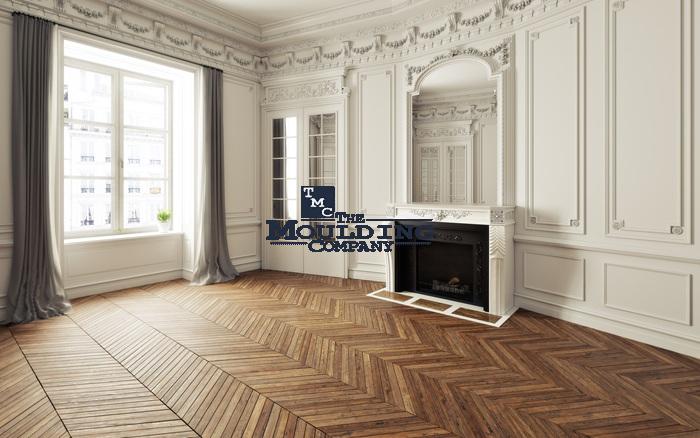
Home value is not just about square footage or materials. It is also about perception. Buyers and visitors form impressions quickly, often without realizing why.
Trim plays a key role in those impressions.
Trim Signals Craftsmanship
Consistent, well-installed trim suggests attention to detail. It signals that the home has been thoughtfully finished. Even simple trim, when properly proportioned and installed cleanly, can elevate how a home is perceived.
On the other hand, mismatched or poorly installed trim can quietly lower perceived quality, even if the rest of the home is well updated.
Trim Creates a Finished Look
Homes without cohesive trim often feel incomplete. Walls may look bare. Transitions may feel abrupt. Buyers may not be able to explain what is missing, but they feel it.
Trim provides that finishing layer. It ties together flooring, walls, and ceilings, creating a sense of completeness that is essential for strong visual appeal.
Trim Supports Architectural Style
Trim helps define whether a home feels modern, traditional, or somewhere in between. Flat profiles support clean, contemporary spaces. More detailed profiles reinforce classic architecture.
When trim aligns with the overall style of the home, the result feels intentional. When it does not, the home can feel confused or inconsistent.
Where Trim Adds the Most Value
While trim improves every room, certain areas have a stronger impact on perception.
Entryways
The entryway sets expectations. Well-proportioned baseboards and clean casings create a strong first impression. If trim feels intentional here, the rest of the home benefits.
Living Areas
Living rooms are where people spend the most time. Consistent trim in these spaces reinforces quality and cohesion.
Hallways
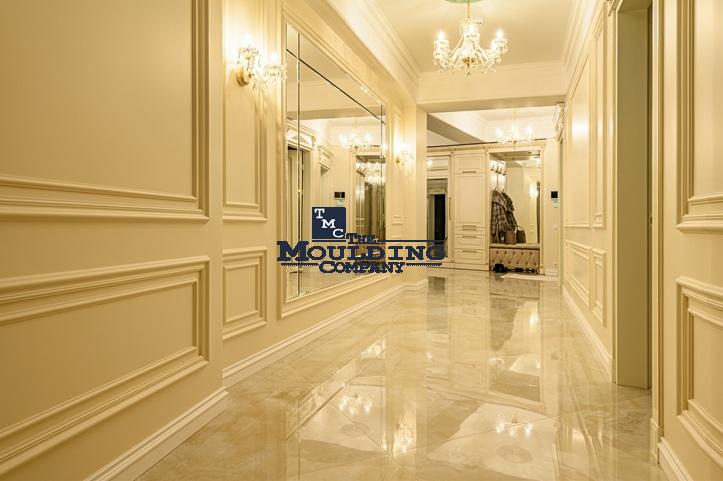
Hallways connect everything. Trim consistency here ensures smooth transitions and prevents the home from feeling disjointed.
Feature Rooms
Dining rooms, offices, and spaces with architectural detail benefit from trim that reinforces structure and proportion. In these rooms, trim can move from background detail to design feature.
The Importance of Consistency
One of the most important aspects of trim design is consistency. This does not mean every piece must be identical, but the overall language should remain the same.
Profiles should relate to one another. Heights should feel aligned. Finishes should be coordinated.
When trim changes randomly from room to room, the home can feel pieced together. When trim is consistent, the home feels cohesive and well planned.
Material and Finish Matter More Than You Think
Trim material and finish also influence both visual balance and value.
Painted trim creates clean lines and works well in a wide range of interiors. Stained trim highlights natural wood and adds warmth, especially in more traditional settings.
Material choice should match the environment. For example, moisture-prone areas may benefit from different materials than dry living spaces.
Many homeowners evaluate MDF vs wood trim when deciding how to balance durability, cost, and appearance.
When Trim Makes the Biggest Difference
Trim has the greatest impact in situations where something feels slightly off but cannot be easily identified.
If a room feels unfinished, disconnected, or lacking structure, trim is often the missing piece.
Updating trim can:
- Improve proportion without changing layout
- Unify mismatched materials
- Elevate simple spaces
- Reinforce architectural style
It is one of the most efficient ways to improve both appearance and perceived value.
How We Approach Trim at The Moulding Company
At The Moulding Company, we look at trim as part of a complete system. Baseboards, casings, crown moulding, and other elements should work together, not compete.
We help customers consider proportion, consistency, and long-term design rather than focusing on individual pieces. The goal is not just to install trim, but to create a space that feels balanced and intentional.
Final Thoughts
Interior trim is one of the most overlooked ways to improve a home, yet it has a lasting impact on both design and value. It shapes how rooms feel, how spaces connect, and how the home is perceived as a whole.
When trim is chosen with care, it creates balance. It adds structure. It makes everything else in the room look better.
At The Moulding Company, we believe great trim does not need to stand out to make a difference. When it is done right, it quietly elevates the entire home.
Frequently Asked Questions (FAQs)
Yes. Well-proportioned and consistent trim improves perceived craftsmanship and overall finish, which can positively influence how buyers view a home.
Baseboards, crown moulding, and door casings add the most value when they are properly scaled and consistent throughout the home.
Not always, but in many homes, crown moulding helps complete the transition between walls and ceilings and adds a refined feel.
Trim should be consistent in style and proportion, even if profiles vary slightly. Cohesion is more important than exact matching.
Yes. Updating trim can modernize a space, improve balance, and make the home feel more intentional without major structural changes.