



Blog
How to Match New Trim to Old Trim When Profiles Don’t Exist Anymore


At The Moulding Company, one of the challenges homeowners and contractors often face is matching new trim to old trim when the original profiles are no longer available. Whether you’re renovating a historic home, repairing damaged sections, or expanding into new spaces, trim continuity is key to keeping the design cohesive.
Why Matching Trim Matters
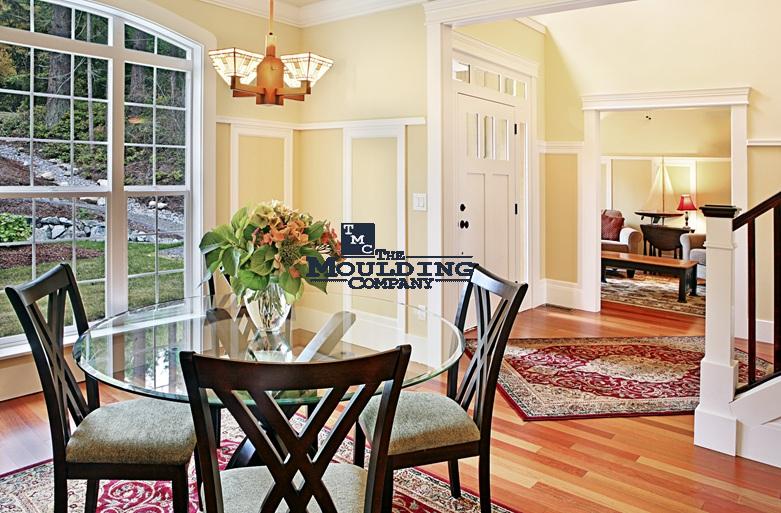
Trim frames the architecture of a home. When profiles don’t align, transitions can feel jarring and unfinished. Matching trim isn’t just about aesthetics; it’s about preserving the integrity of the space.
• Consistency: Trim continuity helps rooms flow together.
• Proportion: Even if the profile changes, keeping scale consistent maintains balance.
• Value: Cohesive trim elevates the overall design and resale appeal of a home.
Step 1: Identify the Key Features of the Old Trim
Look closely at the existing trim:
• Height and thickness
• Profile shape (simple vs. ornate)
• Material and finish
Often, the overall impression matters more than replicating every groove.
Step 2: Choose a Close Alternative
When the exact profile isn’t available, select trim that shares the same scale and style family.
• Colonial profiles → substitute with similar colonial moulding.
• Match height range (e.g., 4½–5½ inches if the old trim was 5 inches).
Step 3: Modify with Add-Ons or Layering
Sometimes, layering pieces is the best solution:
• Baseboard + cap moulding for taller trim.
• Backband moulding for deeper casing.
• Stacking profiles to recreate ornate designs.
Step 4: Blend with Finishing Techniques
Paint, stain, and caulking unify old and new trim:
• Painted trim: Consistent color hides differences.
• Stained trim: Match wood species and stain tone.
• Caulking/sanding: Smooth transitions between stacked pieces.
Step 5: Keep Consistency Across Connected Spaces
Even if profiles differ slightly, maintain height and finish consistency across hallways, entryways, and adjoining rooms for cohesion.
Special Order Options at The Moulding Company
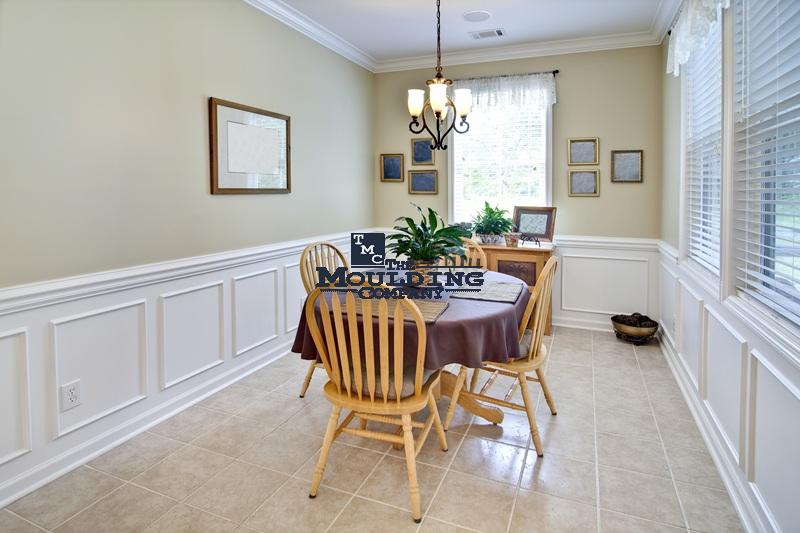
Sometimes, even the closest alternatives aren’t enough. That’s where our special order service comes in.
• We can source unique or discontinued-style mouldings through special orders.
• Custom solutions ensure your new trim blends seamlessly with existing profiles.
• This option is ideal for historic homes or projects where detail accuracy is essential.
How We Approach Trim Matching at The Moulding Company
At The Moulding Company, we help homeowners and contractors find the closest matches, suggest layering solutions, and ensure proportions stay balanced. Our special order service gives you even more flexibility, so your trim always feels intentional and complete.
Final Thoughts
Matching new trim to old trim when profiles don’t exist anymore is less about finding a perfect duplicate and more about creating harmony. By focusing on proportion, style, finish, and leveraging special order options, you can achieve a seamless look that respects the original design while working with what’s available today.
At The Moulding Company, we believe trim continuity is one of the simplest ways to elevate a renovation. Even when exact matches aren’t possible, thoughtful choices can make your home feel cohesive, intentional, and beautifully finished.
Frequently Asked Questions (FAQs)
Choose a trim with similar height and style, or request a special order for a closer match.
Yes. Combining baseboards, caps, or backbands can mimic discontinued profiles effectively.
Absolutely. Height and proportion matter more than exact detailing for visual continuity.
Use caulking, sanding, and consistent finishing to smooth differences.
Not always. If the old trim is in good condition, blending new pieces thoughtfully—or using special orders—can save time and cost while maintaining cohesion.