



Blog
Chair Rail vs. Picture Rail: Where Each Actually Belongs


When it comes to interior trim, few features are as charming and architectural as chair rails and picture rails. They add structure, visual interest, and personality to a room without requiring a major renovation. However, many people confuse the two or assume they serve the same purpose. In reality, Chair Rail Moulding and Picture Rail Moulding each have their own distinct roles, ideal placements, and design benefits.
If you have ever wondered what separates these two moulding types, where they should actually go, or how they can elevate your home, this guide breaks it all down in a simple, friendly, and easy-to-understand way.
What Is Chair Rail Moulding?

Chair Rail Moulding is a horizontal trim piece installed partway up a wall. Traditionally, its purpose was to prevent chairs from bumping into and damaging plaster walls. Over time, chair rails became just as decorative as they are functional, adding a clear line and sense of proportion to a room.
Chair rails also help visually divide a wall. Many homeowners use paint or wallpaper below the rail and a different finish above it. This contrast adds depth and interest without overwhelming the space.
Chair rails are available in many chair rail moulding profiles, ranging from clean modern designs to ornate classical shapes. They offer one of the easiest ways to bring dimension, texture, and structure into nearly any interior.
What Is Picture Rail Moulding?
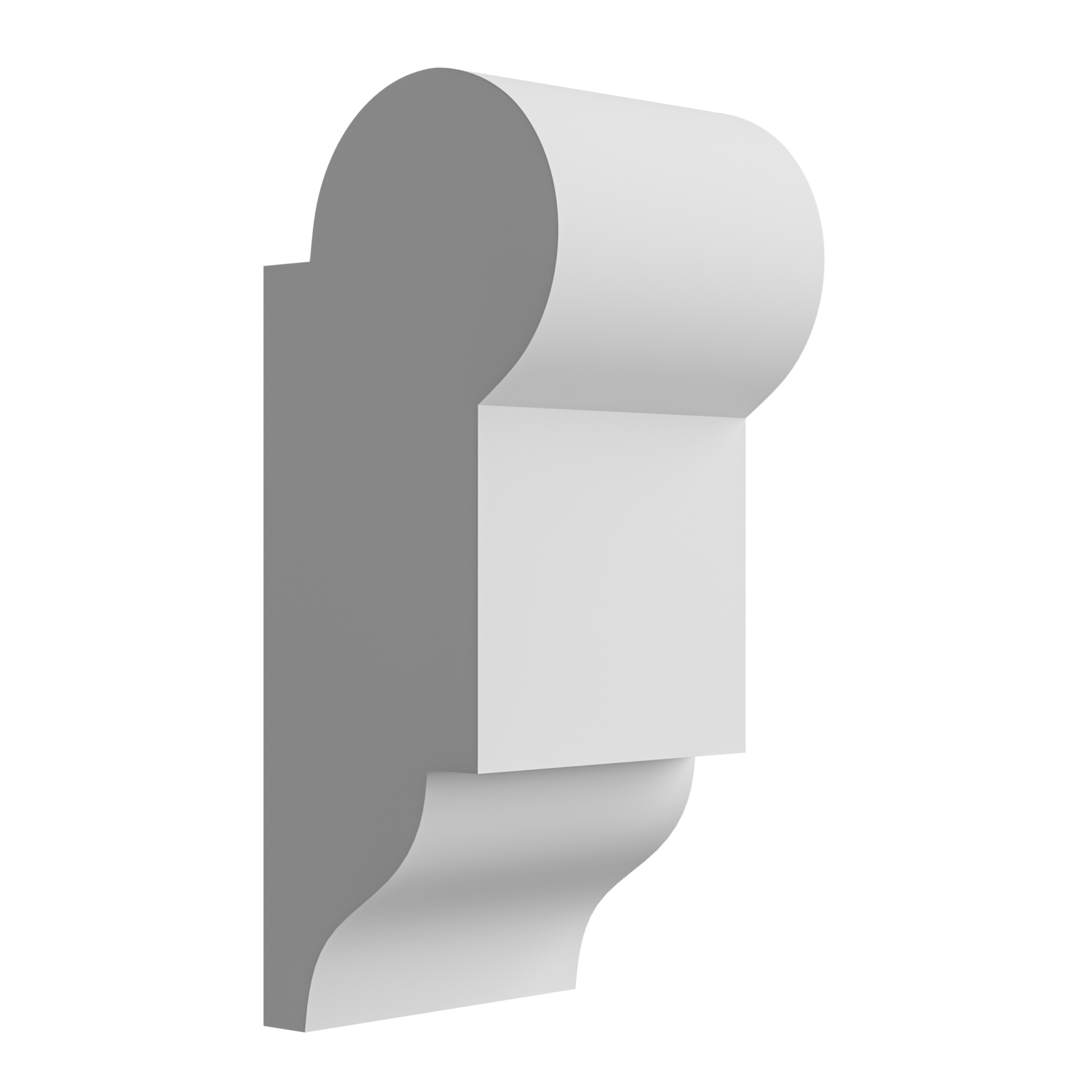
Picture Rail Moulding is a thin trim piece installed high on a wall, typically a few inches below the ceiling. Unlike chair rails, picture rails are not meant to protect walls. Instead, they were invented to hang artwork without using nails that could damage plaster walls.
Picture rails allow you to hang art using hooks and cords that latch onto the trim. Even today, picture rails remain a stylish way to display art while protecting walls from holes and wear. They are often found in vintage homes, bungalows, and traditional interiors, but they also look beautiful in contemporary spaces when used thoughtfully.
A moulded picture rail can be subtle or decorative depending on the room. Many picture rails blend into the wall color for a soft look, while others are highlighted as a design feature.
Chair Rail vs. Picture Rail: What Sets Them Apart?
Although both are horizontal mouldings, chair rails and picture rails have different purposes, placements, and design effects. Understanding these differences helps you avoid common design mistakes and makes your interiors look more intentional.
1. Height and Placement
Chair rails belong mid-wall, usually around one third of the way up from the floor. The standard height ranges from 30 to 36 inches depending on the room’s ceiling height.
Picture rails sit much higher, usually 12 to 20 inches below the ceiling. Their purpose is to create an art hanging line rather than divide wall color or protect surfaces.
2. Function
Chair rails originally protected walls from furniture damage and still serve that purpose today. In modern homes, a decorative chair rail is mostly used for style and proportion.
Picture rails allow artwork to be hung without damaging the wall. They turn artwork arrangements into a flexible feature that can be easily updated.
3. Visual Impact
A chair rail creates a strong horizontal line that can make a room feel grounded. It adds structure and visual weight at eye level.
A picture rail draws the eye upward. It elongates the wall visually and adds height to a room, especially when paired with tall ceilings or crown moulding.
4. Trim Style and Size
Chair rails are thicker and more prominent. You will find many chair rail modern designs that use square edges or simple curves.
Picture rails are thinner and more delicate. A picture rail moulding should complement but not overpower crown moulding or the upper wall.
Where Chair Rail Molding Actually Belongs
Chair rail moulding is most commonly used in:
Dining Rooms
This is the classic location for a chair rail. It adds elegance and can protect walls from dining chairs. Many designers use contrasting paint colors or wainscoting below the rail.
Hallways
Hallways benefit from the structure that chair rails provide. They keep the space visually interesting without crowding the walls.
Living Rooms
Chair rails add a subtle layer of detail, especially in traditional or transitional homes. They help break up large wall surfaces in open spaces.
Bedrooms
Chair rails can create a cozy, sophisticated feel, especially when paired with wallpaper or accent paint below the trim.
Offices or Studies
A decorative chair rail adds a classic touch and helps divide wall treatments such as wood paneling or textured wallpaper.
Staircases
Chair rails follow the slope of the stairs, creating a beautiful flow from one level to the next.
When choosing a height for chair rail moulding, a good rule is to install it around one third the height of the wall. This keeps the proportions balanced and avoids making the room feel short.
Where Picture Rail Moulding Belongs
Picture rail moulding is best used in:
Living Rooms
A picture rail placed near the ceiling adds vintage charm and allows artwork to be displayed effortlessly.
Bedrooms
If you love switching up your wall art, picture rails make it easy to refresh your decor without patching holes.
Dining Rooms
Many early twentieth century homes used picture rails to hang formal artwork or family photos without damaging expensive plaster.
Hallways
Hallways often lack dimension, and a picture rail introduces a visual line and an opportunity to display photos or art along the length of the space.
Entryways
Picture rails can be both functional and decorative in entryways, creating a soft transition between rooms.
Tall Ceilings
Rooms with high ceilings especially benefit from picture rails because they create a pleasing visual break and a sense of proportion.
Historic Homes
Victorian, Craftsman, and Colonial homes often include picture rails as an integral part of their interior architecture.
When planning a picture rail, place it several inches below the ceiling. The exact height depends on your ceiling height, crown moulding, and personal preference.
Using Both Chair Rail and Picture Rail in the Same Room
Some spaces can benefit from having both types of moulding. When used thoughtfully, they create rich architectural layers.
How to make both work together
- Use a simple chair rail moulding profile if you plan to add a picture rail above it.
- Keep the picture rail thinner and less prominent.
- Align the picture rail with crown moulding or existing lines in the room.
- Paint the picture rail the same color as the crown or ceiling for harmony.
- Use the chair rail to divide the wall with contrasting colors or wainscoting.
This combination works beautifully in dining rooms, living rooms, and historic homes.
Choosing the Right Profiles for Each Moulding
Because chair rails are installed at eye level, they usually have more detail. Common profiles include:
- Round edge
- Step profiles
- Beaded edge
- Square and modern profiles
- Oversized profiles for traditional homes
Picture rails are more understated. Popular picture rail moulding options include:
- Slim rounded profiles
- Small cove shapes
- Flat, narrow strips
- Minimalistic moulded picture rail designs
The key is to choose trim that aligns with the architectural style of your home.
Materials to Consider
Chair rails and picture rails are available in several materials:
Wood
Ideal for staining or painting. Wood adds warmth and timeless character.
MDF
Smooth, consistent, and perfect for painted finishes. Excellent for modern interiors.
PVC
Best for moisture-prone areas. Lightweight and easy to install.
Finger Jointed Pine
Affordable and great for painting. Offers a high-quality look without the higher price of solid wood.
Each material works well depending on the location, style, and finish you want to achieve.
Final Thoughts
Both Chair Rail Molding and Picture Rail Molding play important roles in interior design, but they belong in different places and serve different purposes. Chair rails define space, protect walls, and add proportion. Picture rails make it easy to hang artwork while adding a subtle architectural line near the ceiling. Understanding these differences helps you make confident design choices that enhance the style and flow of your home.
When you are ready to explore moulding styles, profiles, and materials, The Moulding Company offers an extensive selection to help you bring your vision to life. With convenient locations in Concord, South San Francisco, Santa Clara, and Sacramento, you can count on our team to guide you toward the perfect moulding choices for any room.
FAQs
1. What is the main difference between Chair Rail Molding and Picture Rail Molding?
Chair Rail Molding sits partway up the wall and helps divide or protect the surface. Picture Rail Molding is installed high on the wall and is designed for hanging artwork without damaging the wall.
2. How high should a chair rail be installed?
A chair rail is typically installed one third of the way up the wall, usually between 30 and 36 inches from the floor. The right height depends on your ceiling height and room proportions.
3. Where should picture rails be placed in a room?
Picture rails are usually installed 12 to 20 inches below the ceiling. This placement gives the wall height and allows you to hang artwork without nails or screws.
4. Can I use both chair rail and picture rail in the same room?
Yes. When used together, they create a layered architectural look. Keep the picture rail thinner and higher, and choose a simple chair rail profile below to balance the room.
5. Which styles work best for modern interiors?
For modern interiors, choose chair rail modern profiles with clean lines and simple shapes. For picture rails, use subtle, minimal profiles that blend into the wall or ceiling color. This keeps the look fresh and contemporary.