



Blog
Best Trim Ideas for Low Ceilings and Small Rooms


At The Moulding Company, one of the most common concerns we hear from homeowners is how trim will affect a space with low ceilings or smaller rooms. Many people worry that adding moulding will make a room feel shorter, tighter, or visually crowded. In reality, the right trim choices can do the opposite. When selected carefully, trim can make ceilings appear higher, rooms feel more open, and spaces look more intentional.
The key is understanding how scale, profile, and placement influence perception. This guide shares practical trim ideas that work especially well in low-ceiling rooms and compact spaces, helping you enhance your home without overwhelming it.
Why Trim Matters More in Small Spaces
In large rooms, trim can fade into the background. In small rooms and low-ceiling spaces, trim is noticed immediately. Every line, shadow, and proportion affects how the room feels.
Trim influences:
- How tall ceilings appear
- How wide walls feel
- How light moves around the room
- Whether the space feels calm or busy
The goal is not to eliminate trim, but to use it intelligently so it supports the room rather than shrinking it.
Start with the Right Baseboards
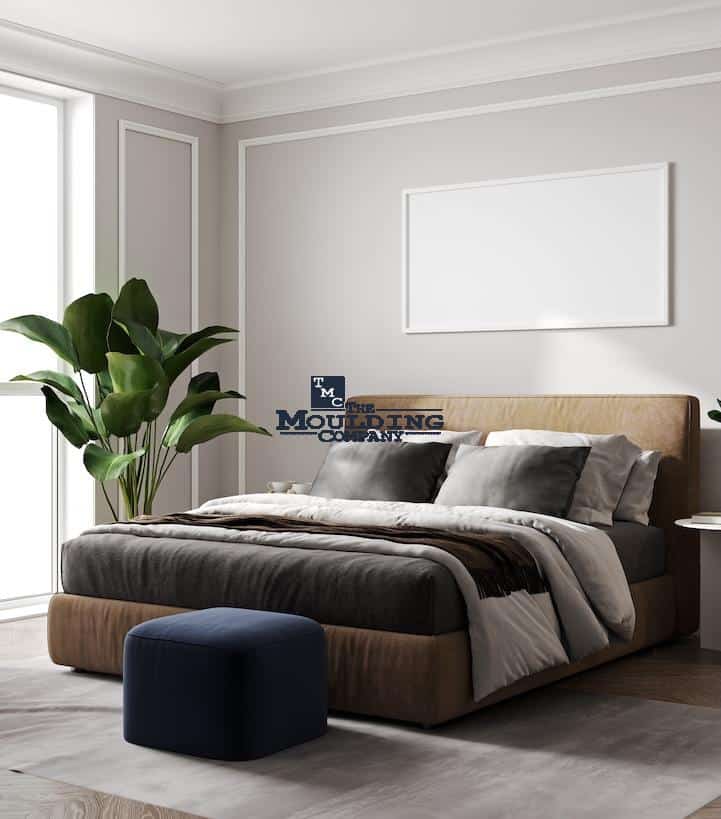
Baseboards play a major role in grounding a room, even when ceilings are low.
Choose Simpler Baseboard Profiles
Flat or lightly detailed baseboards work best in small rooms. Heavy ornamentation draws attention downward and can visually compress the wall height.
Slim, clean baseboard moulding styles help define the floor line while keeping the walls feeling tall and uncluttered.
Moderate Height Is Better Than Tall
In small rooms, very tall baseboards can dominate the wall. A moderate height baseboard often creates better balance, especially when paired with light wall colors.
Using Crown Moulding in Low Ceilings Without Overwhelming the Room
Crown moulding is often misunderstood in low-ceiling spaces. Many homeowners assume it should be avoided entirely. The truth is that crown moulding can work beautifully if the profile is chosen carefully.
Keep Crown Moulding Simple
Small, flat, or subtly stepped profiles are ideal. These profiles soften the wall-to-ceiling transition without drawing heavy attention to the ceiling height.
When selected thoughtfully, subtle crown moulding designs can actually help create a cleaner ceiling line rather than lowering it visually.
Avoid Large or Ornate Profiles
Deep curves and layered details can make ceilings feel lower. In compact rooms, restraint is key.
Paint Crown Moulding to Match the Ceiling
Painting crown moulding the same color as the ceiling minimizes contrast. This helps the eye move upward smoothly, making the ceiling feel taller.
Door and Window Trim That Keeps Rooms Feeling Open
Casings frame every opening, which means they repeat often in small rooms.
Use Narrow or Flat Casings
Wide or decorative casings can crowd openings in tight spaces. Flat, streamlined interior door and window casings keep doors and windows feeling proportional without dominating the wall.
Align Casings with Baseboards
Consistent trim widths help maintain visual flow. When baseboards and casings feel related, the room feels calmer and more organized.
Vertical Emphasis Is Your Best Friend
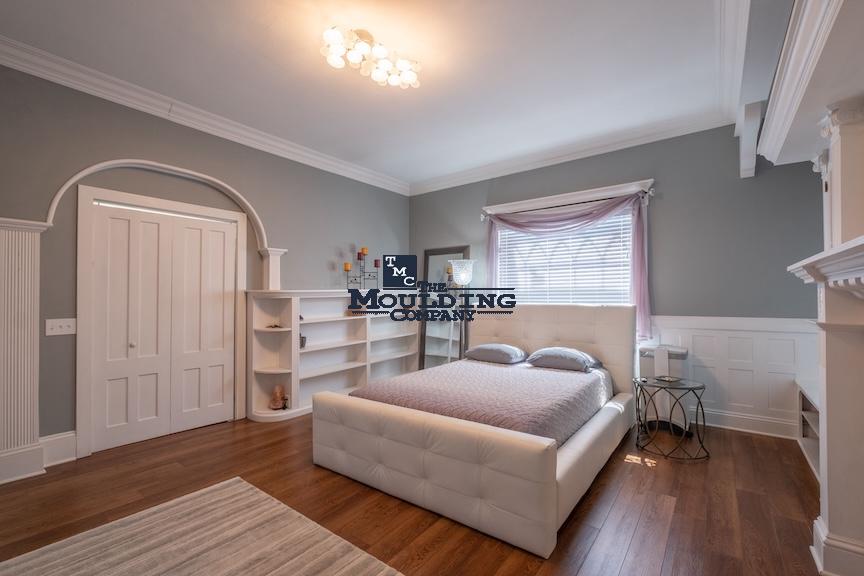
One of the most effective ways to make low ceilings feel higher is to emphasize vertical lines.
Tall, Simple Casings
Casings that extend cleanly upward draw the eye vertically, subtly stretching the perceived height of the room.
Wall Trim Used Sparingly
Vertical panel moulding or board-style wall trim can add height if spacing is generous and profiles remain simple.
Avoid busy patterns that break up the wall too frequently.
Color Choices That Enhance Trim in Small Rooms
Color plays a huge role in how trim affects space.
Light Colors Expand Space
Light-colored trim reflects more light and reduces contrast. This helps walls and ceilings feel more open.
Low Contrast Is Key
High contrast between trim and walls can visually chop up a room. In small spaces, using similar tones keeps the eye moving smoothly.
This is why many homeowners weigh painted vs stained trim carefully when working with low ceilings. Painted trim usually offers more flexibility in compact spaces.
Trim Profiles Matter More Than Size
In small rooms, profile shape often matters more than trim size.
- Flat profiles feel lighter and cleaner
- Stepped profiles add structure without heaviness
- Curved or ornate profiles add visual weight
Even modest trim can feel heavy if the profile is too decorative.
Wall Trim and Wainscoting in Small Rooms
Wall trim can work in small rooms, but only when used carefully.
Keep Heights Low
If using wainscoting, keep it below one-third of the wall height. Taller installations can crowd the wall and reduce perceived height.
Use Simple Panel Profiles
Flat or lightly stepped panels maintain texture without visual overload.
Trim Placement That Makes Ceilings Look Higher
Placement is just as important as profile.
Mount Trim Closer to the Ceiling
Installing crown moulding tightly to the ceiling, rather than dropped lower, helps maintain height.
Avoid Breaking the Wall Line
Interruptions like chair rail or heavy horizontal trim can cut the wall visually, making ceilings feel lower.
Rooms Where These Ideas Matter Most

Bedrooms
Low ceilings are common in bedrooms. Simple baseboards, minimal crown moulding, and light colors help keep the space restful and open.
Hallways
Hallways often feel narrow and enclosed. Streamlined trim prevents visual clutter and improves flow.
Bathrooms
Small bathrooms benefit from moisture-resistant materials and minimal profiles that do not crowd the space.
Basements
Basements typically have lower ceilings. Trim should be subtle, functional, and light in color.
Material Choices for Low-Ceiling Rooms
Material selection supports performance and appearance.
- MDF works well for painted trim in dry spaces
- Wood may be better in moisture-prone rooms
- Smooth finishes reflect light more evenly
Material choice should support the finish and profile rather than compete with it.
Common Mistakes to Avoid
We often see these issues in low-ceiling spaces:
- Oversized crown moulding
- High-contrast trim colors
- Mixing too many profile styles
- Using ornate trim in tight rooms
Avoiding these mistakes can dramatically improve how a room feels.
How We Help at The Moulding Company
At The Moulding Company, we help customers select trim that fits the space, not just the style. When ceilings are low or rooms are small, we focus on proportion, profile simplicity, and placement to ensure trim enhances the room rather than shrinking it.
We often recommend subtle profiles and thoughtful combinations that work quietly in the background while improving overall balance.
Final Thoughts
Low ceilings and small rooms do not mean you have to skip trim. With the right profiles, finishes, and placement, trim can make spaces feel taller, brighter, and more intentional.
Simple baseboards, restrained crown moulding, streamlined casings, and light colors work together to create rooms that feel open and comfortable.
At The Moulding Company, we believe great trim design is about understanding space. When trim is chosen with proportion and purpose, even the smallest rooms can feel thoughtfully finished and visually balanced.
FAQs
1. Should I avoid crown moulding in low-ceiling rooms?
No. Crown moulding can work in low-ceiling rooms when the profile is simple and the color blends with the ceiling.
2. What baseboards work best for small rooms?
Flat or lightly detailed baseboards with moderate height work best because they define the space without overwhelming it.
3. Do light trim colors really make rooms feel bigger?
Yes. Light colors reduce contrast and reflect light, helping rooms feel more open and less confined.
4. Can trim make ceilings look higher?
Yes. Vertical emphasis, simple profiles, and careful placement can all help increase the perceived height of a room.
5. What trim styles should be avoided in small spaces?
Large, ornate, or heavily layered trim styles should generally be avoided in small rooms and low-ceiling spaces.