



Blog
Trim Ideas That Elevate Entryways and Hallways


At The Moulding Company, we often say that entryways and hallways set the tone for the entire home. These spaces may not always be the largest, but they are some of the most important. They create first impressions, connect rooms, and guide how people move through the house.
Because of that, trim plays a much bigger role here than many homeowners expect. In entryways and hallways, trim is not just a finishing detail. It is part of the structure that makes the space feel intentional, polished, and complete.
When trim is chosen carefully, these areas feel welcoming and cohesive. When it is overlooked, they can feel plain, disconnected, or unfinished, even if the rest of the home is well designed.
Why Trim Matters More in Entryways and Hallways
Unlike living rooms or bedrooms, entryways and hallways are transitional spaces. You are not sitting in them for long periods, but you experience them constantly. That repeated exposure makes small design details more noticeable.
Trim helps define these transitions. It frames the movement from one room to another and provides visual continuity throughout the home. Because these spaces often have fewer furniture pieces, trim becomes one of the main design elements.
In many homes, upgrading trim in hallways and entryways alone can noticeably improve how the entire house feels.
Trim is not just decoration. It is structure for the way we experience a room.
Baseboards That Create a Strong First Impression
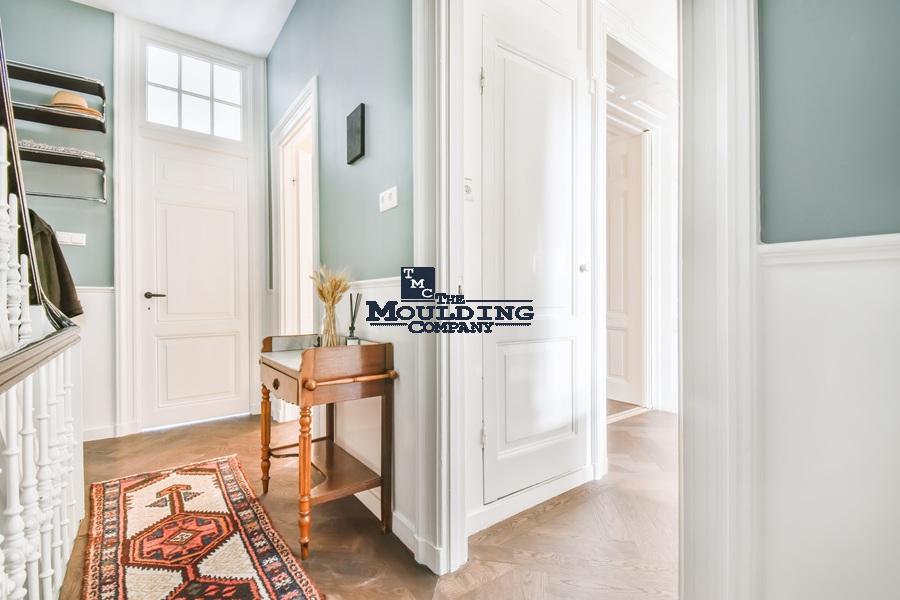
Baseboards are often the first trim element people notice when they enter a home, even if they do not realize it.
In entryways, slightly taller baseboards can create a stronger sense of structure and make the space feel more intentional. They help anchor the walls and provide a clean transition from flooring to wall.
Choosing the right baseboard moulding styles is especially important here because entryways often connect directly to multiple rooms. Consistent, well-proportioned baseboards help unify those transitions.
In narrower hallways, the approach shifts slightly. While you still want presence, overly heavy profiles can make the space feel tighter. Clean, streamlined baseboards tend to work best, especially when paired with lighter wall colors.
Casings That Define Movement and Flow
Doorways are everywhere in hallways, which means casings play a central role in how these spaces feel.
Without proper trim, openings can feel abrupt or disconnected. With well-chosen casings, each doorway feels intentional and aligned with the rest of the home.
Using consistent interior door and window casings ensures that transitions from room to room feel smooth rather than fragmented. This becomes especially important in hallways where multiple doors are visible at once.
Casings do not need to be overly decorative to be effective. Even simple profiles can create a strong sense of order when they are consistent.
Crown Moulding for Subtle Refinement
Crown moulding in entryways and hallways can be incredibly effective when used with restraint.
In homes with standard ceiling heights, smaller and simpler crown moulding styles work best. They soften the transition between wall and ceiling without making the space feel crowded.
In homes with higher ceilings or larger entryways, slightly more defined crown moulding can add a sense of refinement and help complete the vertical space.
The key is proportion. Crown moulding should enhance the space, not compete with it.
Using Wall Trim to Add Character Without Clutter
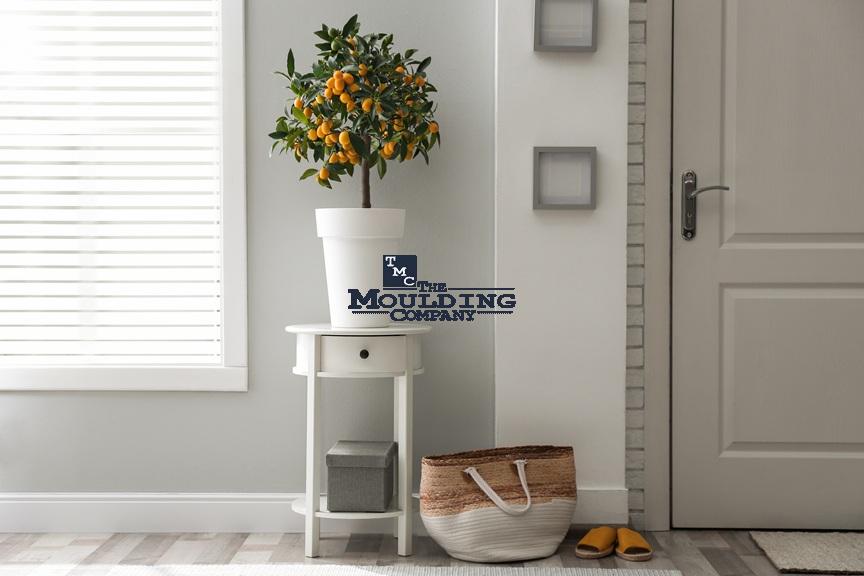
Entryways are one of the best places to introduce wall trim because they are often more open and less crowded with furniture.
Subtle decorative wall moulding or panel-style trim can add depth and interest without overwhelming the space. In hallways, this works best when kept simple and evenly spaced.
The goal is to create texture and structure while maintaining a clean, open feel. Overly complex patterns can make narrow hallways feel busier than they already are.
Trim as a Tool for Visual Continuity
One of the biggest challenges in entryways and hallways is maintaining flow between different rooms.
Trim helps solve this by acting as a consistent element that ties everything together. Even if flooring or wall colors change slightly from room to room, consistent trim keeps the home feeling unified.
This is especially important in open layouts where sightlines extend across multiple spaces. Matching trim height, style, and finish helps prevent visual breaks.
Trim is not just decoration. It is structure for the way we experience a room.
Choosing the Right Finish for These Spaces
Finish plays a major role in how trim is perceived in entryways and hallways.
Painted trim is often the most effective choice because it reflects light and keeps these spaces feeling open. This is particularly helpful in hallways that may not receive as much natural light.
Stained trim can work beautifully in more traditional homes, but it requires careful coordination with flooring and doors to avoid mismatched tones.
Many homeowners consider painted vs stained trim when deciding how to balance brightness and warmth in these areas.
Lighting and Trim Work Together
Entryways and hallways often rely heavily on artificial lighting. This makes trim even more important because it interacts with light and shadow.
Profiles with subtle depth can create soft shadow lines that add dimension to the space. Flat trim creates a cleaner, more minimal look with less visual contrast.
Choosing trim with this in mind helps ensure the space feels intentional both during the day and at night.
Common Mistakes to Avoid
There are a few mistakes we see repeatedly in entryways and hallways.
One is using trim that is too small, especially in larger entryways. This can make the space feel underdesigned.
Another is inconsistency. Changing trim styles between rooms that connect through a hallway can break visual flow.
Overly decorative trim in narrow hallways can also make the space feel cramped rather than refined.
Finally, treating these areas as secondary spaces often leads to missed opportunities. Entryways and hallways may not be where you spend the most time, but they shape how the entire home is experienced.
How We Approach Entryways and Hallways at The Moulding Company
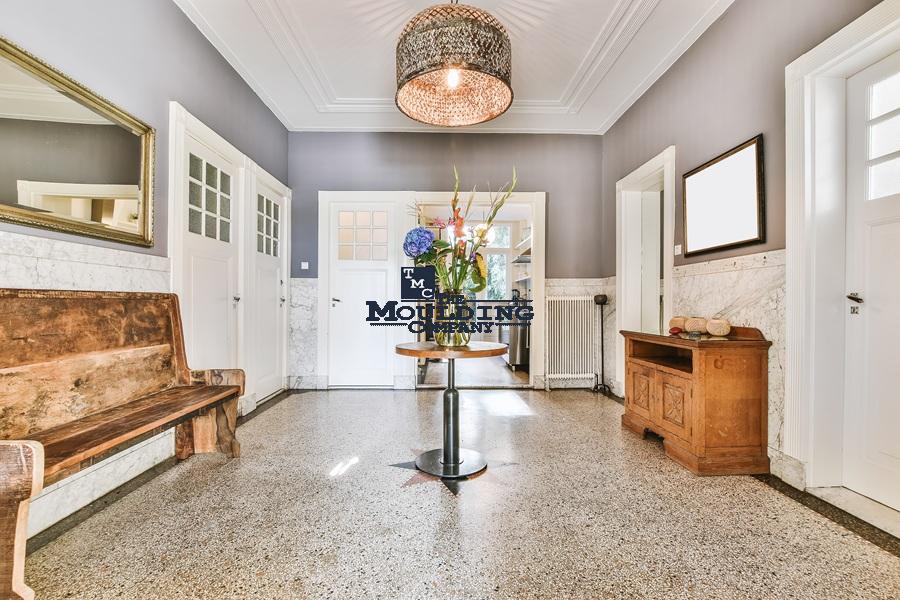
At The Moulding Company, we view entryways and hallways as the connective tissue of the home. These spaces should feel just as intentional as the rooms they lead to.
We help customers choose trim that supports flow, proportion, and consistency. Whether the goal is subtle refinement or added architectural detail, the focus is always on balance.
Trim is not just decoration. It is structure for the way we experience a room.
Final Thoughts
Trim has the power to transform entryways and hallways from simple passageways into cohesive, well-designed spaces.
Baseboards ground the room. Casings define movement. Crown moulding refines the ceiling line. Wall trim adds character when used thoughtfully.
When these elements work together, they create a sense of continuity that carries throughout the home.
At The Moulding Company, we believe great trim design starts with understanding how people move through a space. Entryways and hallways may be transitional, but with the right trim, they become an essential part of the home’s overall design.
Frequently Asked Questions (FAQs)
Entryways benefit from slightly taller baseboards and clean, well-proportioned trim that creates a strong first impression without overwhelming the space.
Yes. Hallways connect multiple rooms, so consistent trim helps maintain flow and prevents the home from feeling disconnected.
Not always, but simple crown moulding can help define the ceiling line and make hallways feel more finished.
Yes, but it should be simple and evenly spaced. Overly decorative wall trim can make narrow hallways feel crowded.
Light, neutral painted trim works best in most cases because it reflects light and keeps these spaces feeling open and bright.