



Blog
MDF vs Wood Trim: Which Material Is Right for Your Project?


At The Moulding Company, one of the most common questions we hear when customers are choosing trim is whether MDF or wood is the better material. Both options are widely used across baseboards, crown moulding, casings, wainscoting, and decorative trim, yet they behave very differently once installed.
Choosing between MDF and wood trim is not about which material is better overall. It is about which material is right for your specific space, budget, and long-term expectations. The wrong choice can lead to swelling, cracking, or premature wear. The right choice can last for decades and elevate the entire home.
This guide explains the real differences between MDF and wood trim, where each performs best, and how to make a confident decision for your project.
What Is MDF Trim?
MDF stands for medium-density fiberboard. It is an engineered material made from wood fibers bonded together under heat and pressure. MDF trim is manufactured in precise profiles and comes with a smooth, uniform surface that is ideal for paint.
Because MDF is engineered, it does not have natural grain patterns, knots, or variations. This consistency is one of its biggest advantages for interior trim.
MDF trim is commonly used for:
- Baseboards
- Crown moulding
- Door and window casing
- Wainscoting
- Wall panel moulding
It is especially popular in homes where trim will be painted rather than stained.
Choosing between MDF and wood often depends on the room, and understanding different wood trim species options helps ensure long-term durability.
What Is Wood Trim?
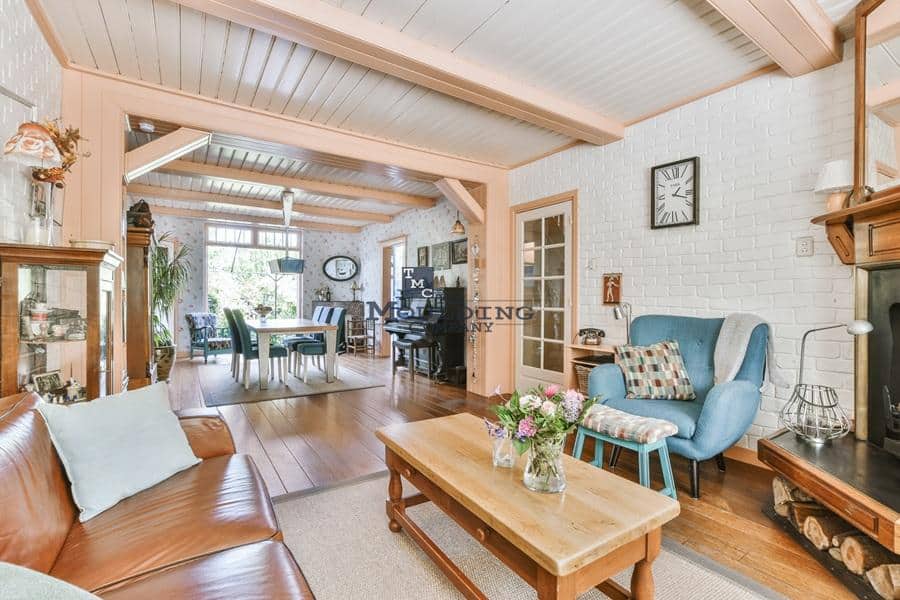
Wood trim is made from solid or finger-jointed wood species such as pine, poplar, oak, maple, or other hardwoods. Unlike MDF, wood trim has natural grain, texture, and variation.
Wood trim has been used in homes for centuries and remains a preferred option for many traditional and high-end interiors. It can be painted or stained, depending on the species and desired look.
Wood trim is commonly used for:
- Baseboards and crown moulding
- Casings and frames
- Fireplace surrounds
- Architectural details
- Stained trim applications
Wood offers authenticity and durability that engineered materials cannot fully replicate.
MDF vs Wood Trim: The Core Differences
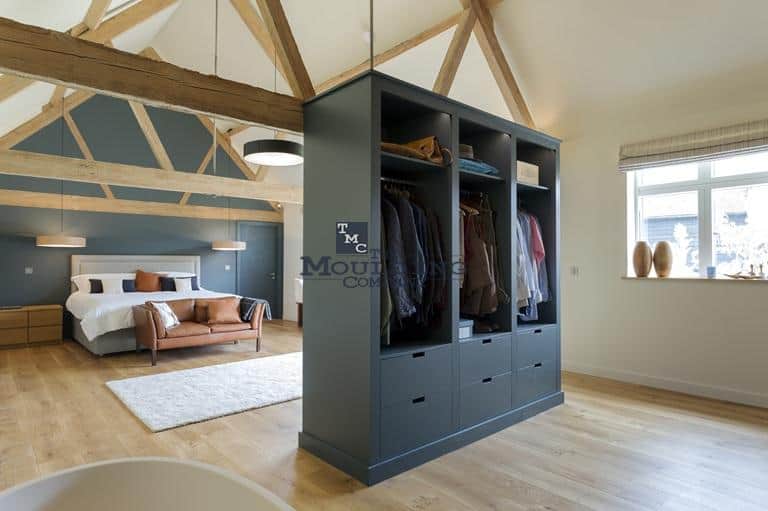
While MDF and wood trim may look similar once installed and painted, they differ significantly in performance.
Appearance
MDF has a smooth, flawless surface that takes paint extremely well. Wood has visible grain and character, which can be an advantage or a challenge depending on the finish.
Durability
Wood is stronger and more impact-resistant. MDF is more prone to denting and damage from hard contact.
Moisture Resistance
Wood tolerates small amounts of moisture better than MDF. MDF can swell or soften if exposed to water.
Consistency
MDF is very consistent from piece to piece. Wood varies naturally, which may require sorting and selection.
Cost
MDF is generally more affordable. Wood trim costs more, especially in hardwood species.
Where MDF Trim Works Best
MDF trim performs very well in controlled interior environments where moisture is not a concern.
Living Rooms and Bedrooms
These dry, low-impact spaces are ideal for MDF trim. Painted baseboards, crown moulding, and casings made from MDF hold up well and maintain a clean appearance.
Both MDF and wood are commonly used in crown moulding material options, depending on ceiling height and moisture levels.
Dining Rooms
MDF is commonly used for painted wainscoting and panel moulding, where smooth surfaces and sharp profiles are desired.
Hallways
As long as impact risk is moderate, MDF works well and keeps costs manageable in long runs of trim.
Modern and Transitional Homes
MDF suits modern interiors where clean lines and uniform finishes are preferred over visible grain.
Where Wood Trim Is the Better Choice
There are many situations where wood trim clearly outperforms MDF.
Moisture-Prone Areas
Bathrooms, kitchens, entryways, and laundry rooms often experience humidity or occasional water exposure. Wood trim handles these conditions better than MDF.
High-Traffic Areas
In areas where trim is likely to be bumped or kicked, wood’s durability helps prevent dents and damage.
Stained Trim Applications
If the trim will be stained rather than painted, wood is the only appropriate option. MDF cannot be stained.
Historic or Traditional Homes
Older homes often require wood trim to match existing profiles, grain patterns, and construction methods.
How Material Choice Affects Different Trim Categories
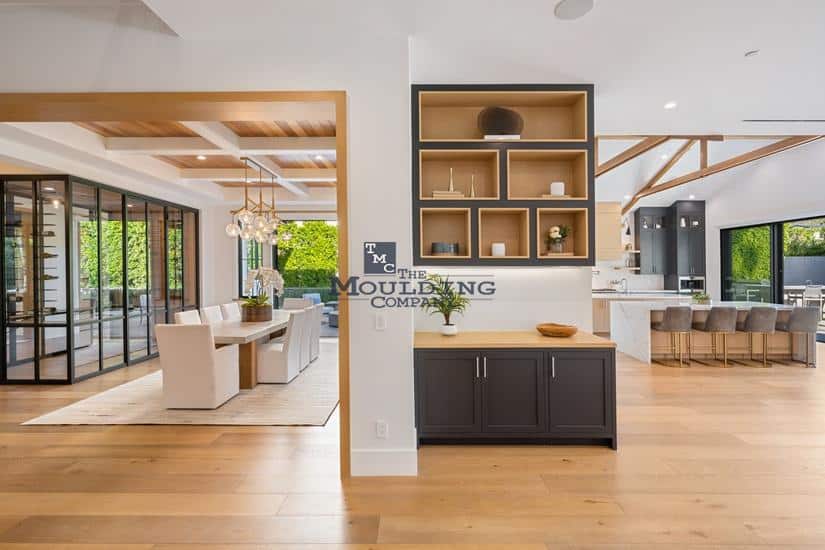
Baseboards
MDF baseboards work well in most dry interior rooms. Wood baseboards are better in areas with moisture or heavy traffic.
Crown Moulding
Both MDF and wood are commonly used. MDF is popular for painted crown moulding in living spaces. Wood is preferred for taller or more detailed profiles and in rooms with humidity.
Door and Window Casings
MDF is suitable for standard interior doors and windows. Wood is often chosen for entry doors, bathrooms, and areas where trim may be exposed to moisture.
Wainscoting and Wall Trim
MDF is widely used for painted wall treatments due to its smooth finish. Wood is chosen when durability or staining is required.
Decorative and Custom Trim
Wood is often preferred for custom profiles, curved details, or applications requiring strength and longevity.
Material choice plays a big role in performance, especially when selecting baseboard trim materials for high-traffic areas.
Installation Differences Between MDF and Wood
MDF is easier to cut cleanly because it does not splinter. This makes it forgiving for detailed profiles and tight joints.
Wood requires sharper blades and more careful handling, but it holds fasteners better and is less likely to crack over time.
Both materials require proper fastening, caulking, and finishing to perform well long term.
Maintenance and Long-Term Performance
Painted MDF trim holds paint very well and resists visible grain movement. However, once damaged by moisture, it cannot be easily repaired.
Wood trim may show minor seasonal movement, but it is more forgiving when repaired. Dents, chips, and small cracks can often be fixed without replacement.
Choosing the right material reduces maintenance issues over time.
Cost Considerations
MDF trim is typically more budget-friendly, especially for large projects or whole-house trim packages.
Wood trim costs more due to material and labor, particularly in hardwood species. However, the added durability and authenticity can justify the investment in many homes.
The best value comes from using the right material in the right location, not from choosing one exclusively.
Mixing MDF and Wood Trim in One Home
Many homes successfully use both MDF and wood trim.
For example:
- MDF in bedrooms and living areas
- Wood in bathrooms, kitchens, and entryways
- Wood for stained features
- MDF for painted wall treatments
Custom Profiles and Species Matching
Not all trim projects fit standard profiles or materials. Older homes, additions, and renovations often require matching existing trim exactly.
At The Moulding Company, we help customers select the right species or recreate profiles through custom solutions. This ensures new trim blends seamlessly with what is already in place.
Understanding species characteristics is especially important when selecting wood trim, as different woods behave differently over time.
How We Help You Choose the Right Material
We guide customers by asking the right questions:
- Where will the trim be installed?
- Will it be painted or stained?
- Is moisture a concern?
- How much wear will it see?
By considering these factors, we help ensure the material chosen performs well and looks right for years to come.
Final Thoughts
There is no universal winner between MDF and wood trim. Each material has clear strengths and limitations, and the best choice depends on how and where the trim will be used.
MDF offers consistency, affordability, and a flawless painted finish in dry interior spaces. Wood provides durability, moisture resistance, and natural character that engineered materials cannot replace.
At The Moulding Company, we believe the right trim material supports both design and performance. When MDF and wood are used thoughtfully, they work together to create interiors that are beautiful, functional, and built to last.
FAQs
1. What is the main difference between MDF and wood trim?
MDF trim is engineered with a smooth, paint-ready surface, while wood trim is made from natural wood and offers greater durability and moisture resistance.
2. Is MDF or wood trim better for bathrooms and kitchens?
Wood trim is usually the better choice for bathrooms and kitchens because it handles moisture better than MDF, which can swell if exposed to water.
3. Can MDF trim be used for all trim types?
MDF can be used for many interior trim types like baseboards, crown moulding, casings, and wainscoting, as long as the area is dry and low impact.
4. Can wood trim be painted or stained?
Yes. Wood trim can be painted or stained, making it the only option when a natural wood or stained finish is desired.
5. Is it okay to mix MDF and wood trim in the same home?
Yes. Many homes use MDF in dry interior rooms and wood trim in moisture-prone or high-traffic areas while keeping profiles and finishes consistent.