



Baseboards
Filter by Wood Species / Material
 Interior Radiata Primed PineInterior Radiata Primed Pine 4
 MDFMDF 47
 AlderAlder 10
 Douglas FirDouglas Fir 3
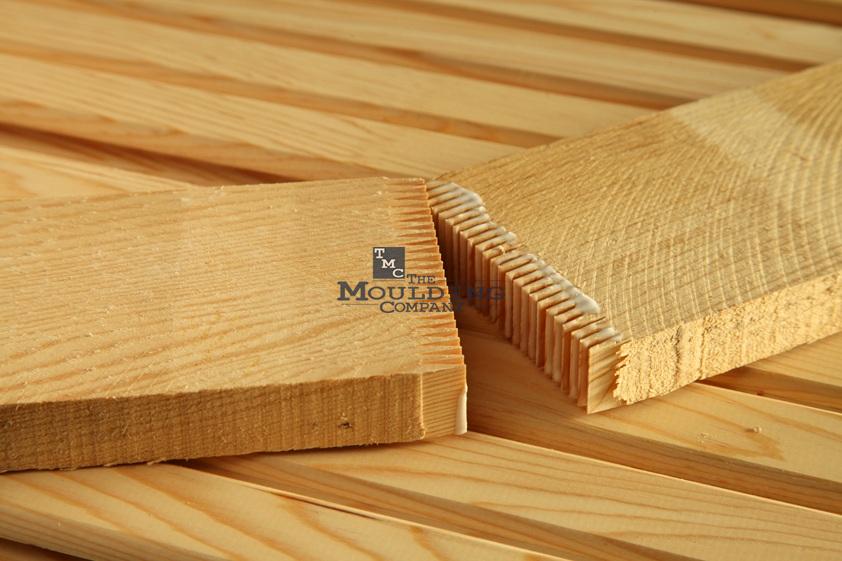 Finger Joint Pine(FJP)Finger Joint Pine(FJP) 33
 Finger‑Joint Poplar (Primed)Finger‑Joint Poplar (Primed) 3
- Knotty AlderKnotty Alder 1
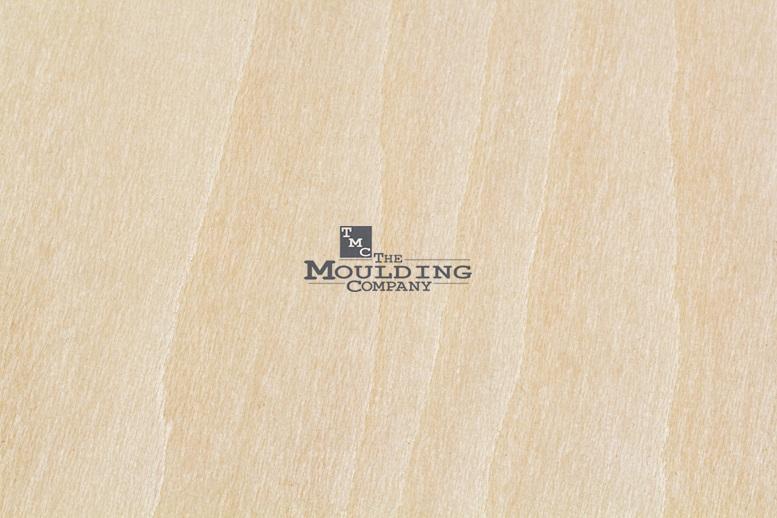 MapleMaple 10
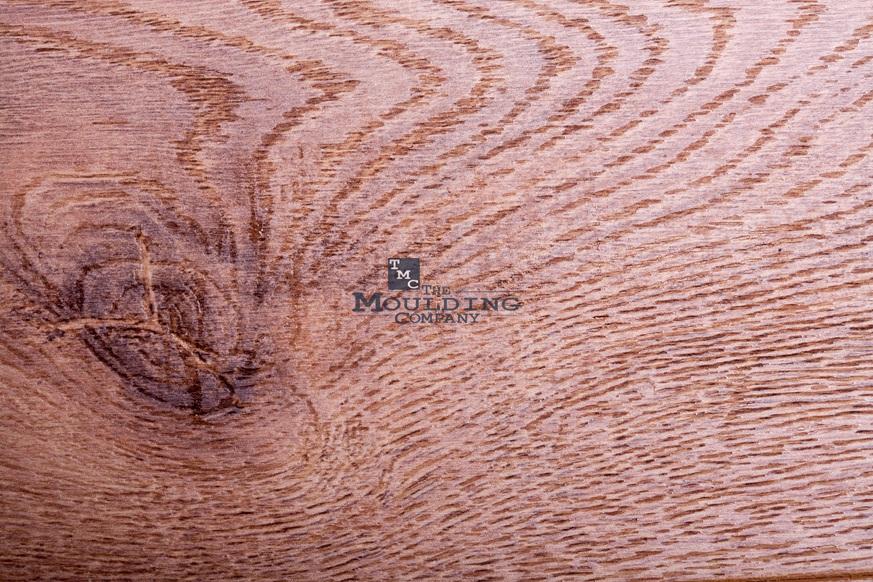 Northern Red OakNorthern Red Oak 10
 Painted MDFPainted MDF 5
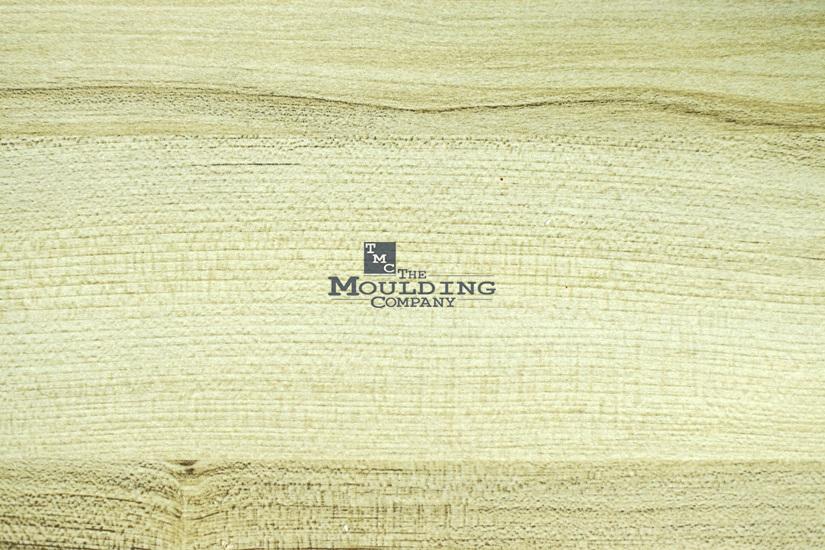 PoplarPoplar 16
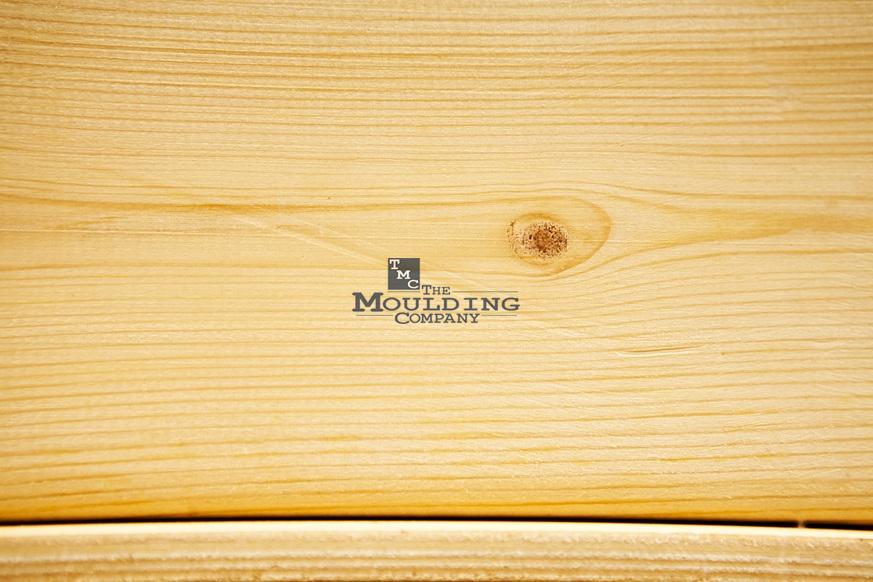 Solid PineSolid Pine 6

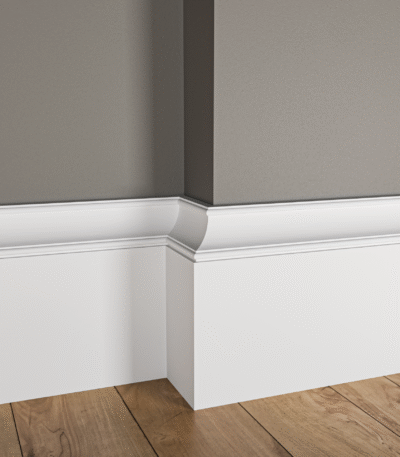
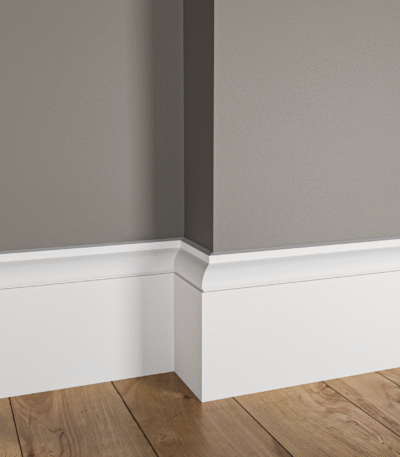
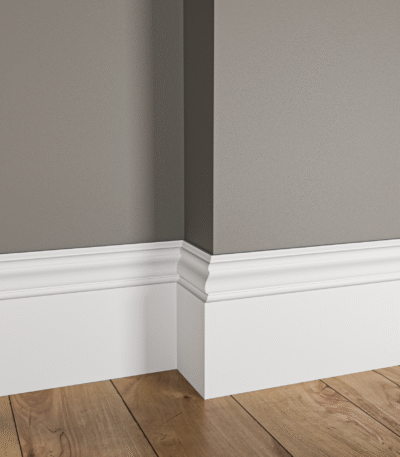
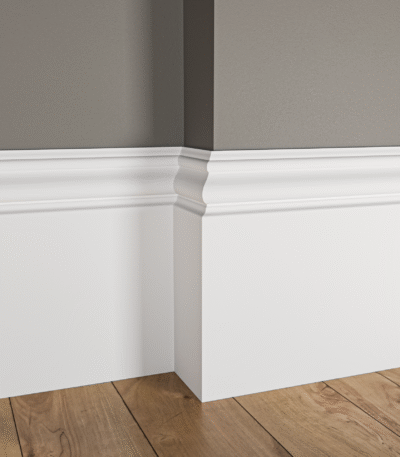
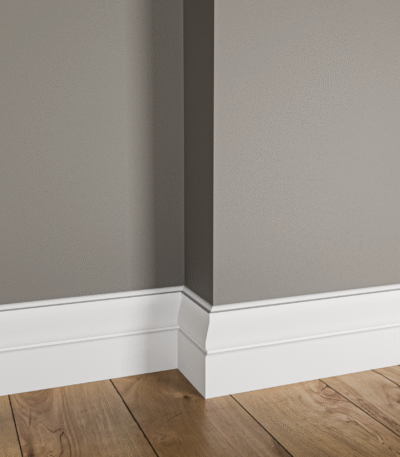
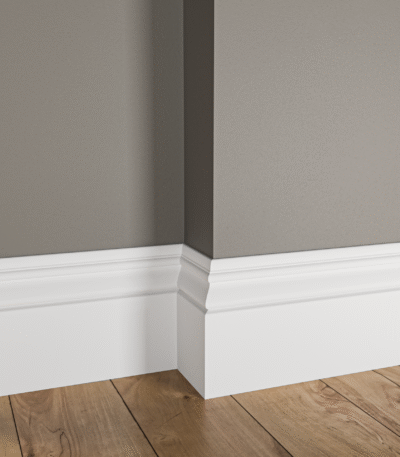
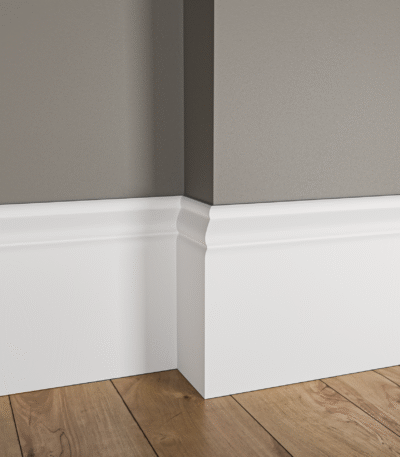
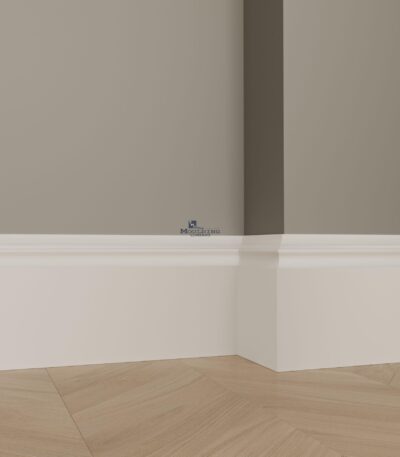
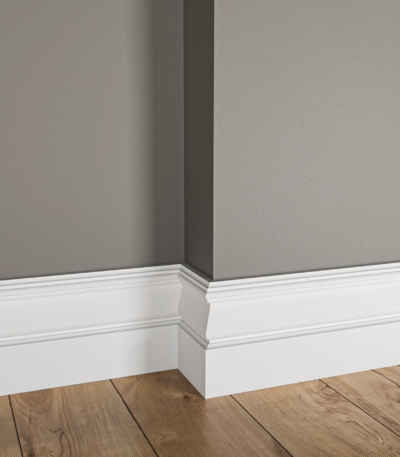
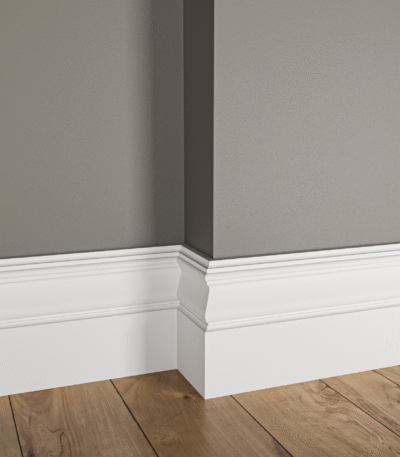
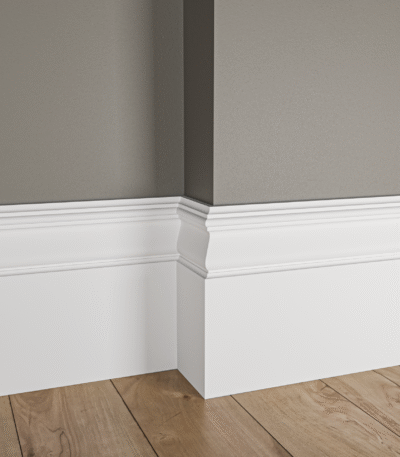
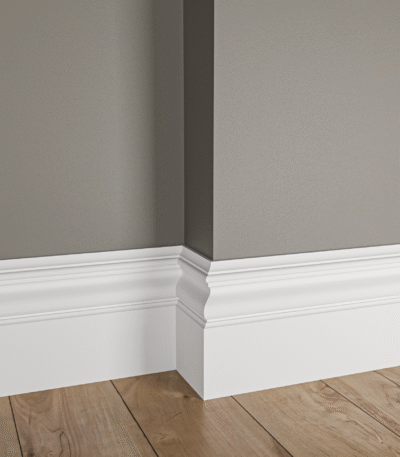
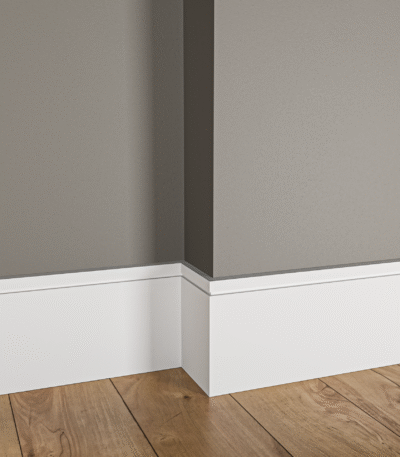
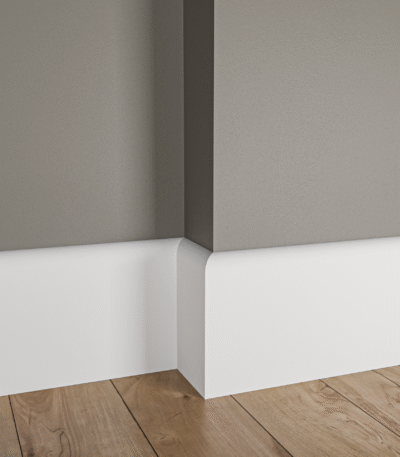
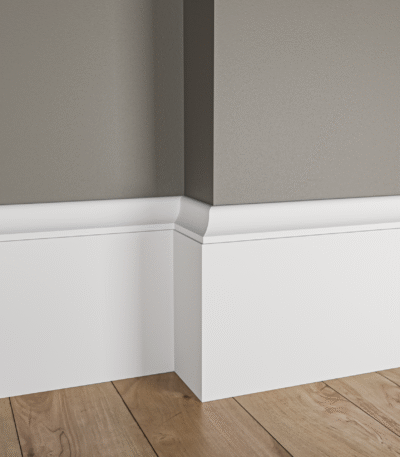
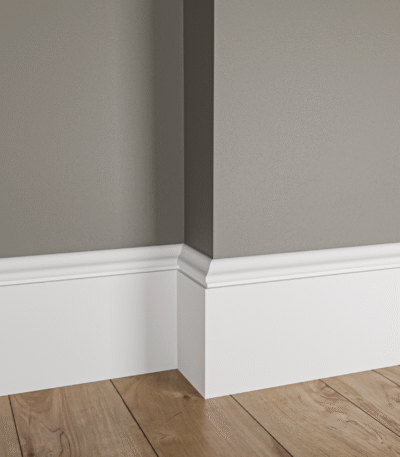
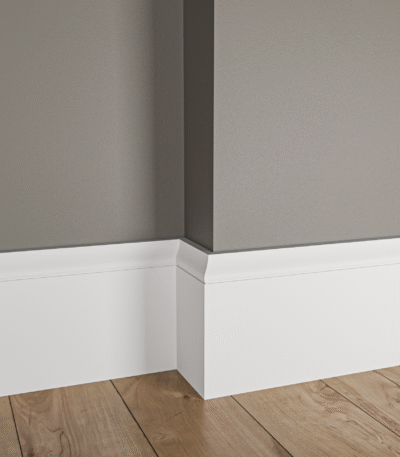
Baseboards cover the joint where wall meets floor and set the tone for every room. Our baseboard moulding runs from slim 2 1/4 inch profiles to tall base over 7 inches, in primed MDF, finger joint pine, poplar, alder, oak, maple and more. Filter by style, height or material, or read our baseboard buying guide below the products to find the right size.






Baseboard buying guide
Three choices decide how baseboard looks once it is on the wall: height, thickness and material. Here is how to get each one right.
1. Pick a height that suits your ceiling
Taller ceilings need taller base. These ranges are a good starting point.
| Ceiling height | Baseboard height | Profiles to look at |
|---|---|---|
| 8 feet | 3 1/4 to 5 1/4 inch | MC727 Streamline Base, MC223 Beaded Base, MC233 Santa Fe Base |
| 9 feet | 5 1/4 to 7 1/4 inch | MC510 Round Edge Base, MC84 Carolina Base, MC659 Modern Base |
| 10 feet and up | 7 1/4 inch and taller | MC511 Round Edge Base, BM001 Colonel Base |
If you are between two sizes, the taller one usually looks more finished. For closets and cabinet runs, a compact profile such as MC720 Reversible Base at 2 1/4 inch keeps the line low.
2. Check thickness against your door casing
Baseboard meets the door casing at the floor. It looks cleanest when the casing is as thick as the base or slightly thicker, so the base stops neatly against it. The first number in each size is the thickness, so MC233 at 9/16 x 4 1/2 inch is 9/16 inch thick. Compare it with your door and window casings before you order.
3. Choose a material for paint or stain
| Material | Finish | Good to know |
|---|---|---|
| Primed MDF | Paint | Smooth and stable, with no grain showing through the paint. |
| Painted MDF | Already painted | Saves most of the painting on site. |
| Primed pine, finger joint pine and finger joint poplar | Paint | Real wood under the primer. Holds nails and crisp edges well. |
| Solid pine and Douglas fir | Paint or stain | Visible grain for craftsman and rustic rooms. |
| Alder, knotty alder, northern red oak and maple | Stain or clear coat | Hardwoods to match floors, doors and cabinets. |
Compare each wood in our moulding species guide.
4. Finish the look
Add base shoe or quarter round to cover the gap above uneven floors, and base cap to dress the top of a flat base. See how every piece fits together in our interior trim anatomy guide, and get ideas from our baseboard styles guide.
How much baseboard do you need?
Measure every wall, add the lengths together, subtract door openings and add 10 to 15 percent for cuts and waste. Our trim calculator does the math room by room.
Baseboard is sold by the linear foot and cut from the lengths on hand, usually 8 and 16 feet, so order the total footage you need and we will put your order together. Many profiles also come as a 4 inch sample, so you can check the shape at home first.
See baseboards in person
Visit our four showrooms in the Bay Area and Sacramento to see full lengths side by side, or call 925-798-7525 and our team will help you choose. You can also try profiles in a virtual room with the Room Visualizer.
Baseboard questions
What size baseboard should I use?
Match it to your ceiling. For 8 foot ceilings, 3 1/4 to 5 1/4 inch base works well. For 9 foot ceilings, choose 5 1/4 to 7 1/4 inch. For 10 foot ceilings and higher, choose 7 1/4 inch or taller. If you are between sizes, the taller option usually looks more finished.
Should baseboard be thicker than door casing?
Usually not. The casing should be as thick as the baseboard or slightly thicker, so the base stops cleanly against the edge of the casing.
Is MDF or wood baseboard better?
Both paint well. Primed MDF gives the smoothest painted finish and stays straight. Primed finger joint pine and poplar are real wood and hold nails and edges well. For a stained finish, choose a hardwood such as alder, oak or maple.
How much baseboard do I need?
Add up the length of every wall, subtract door openings and add 10 to 15 percent for waste. Our trim calculator does this room by room.
Can I get a sample before I order?
Yes. Many of our baseboard profiles come in a 4 inch sample length, so you can check the shape and size against your walls before you order.
What is the difference between base shoe and quarter round?
Both cover the gap between the baseboard and the floor. Quarter round is equal in height and depth. Base shoe is taller than it is deep, so it sits closer to the wall and looks slimmer.